ralph ellis

Ralph
Ellis

Ralph Ellis was trained in surveying and computer science. He has been touring the Mediterranean and researching Egyptian and biblical history for over 30 years, and his comparisons between the two have greatly assisted our understanding of biblical history. In addition, Ralph has also sought to understand the design of the megalithic monuments from a purely scientific and engineering viewpoint. Nevertheless, his lateral analysis of the likely possibilities for the design of these great monuments is still very novel and highly provocative. 

You can view Ralph's detailed Author profile here.

Member for

12 years 4 months

View Recent Blogs

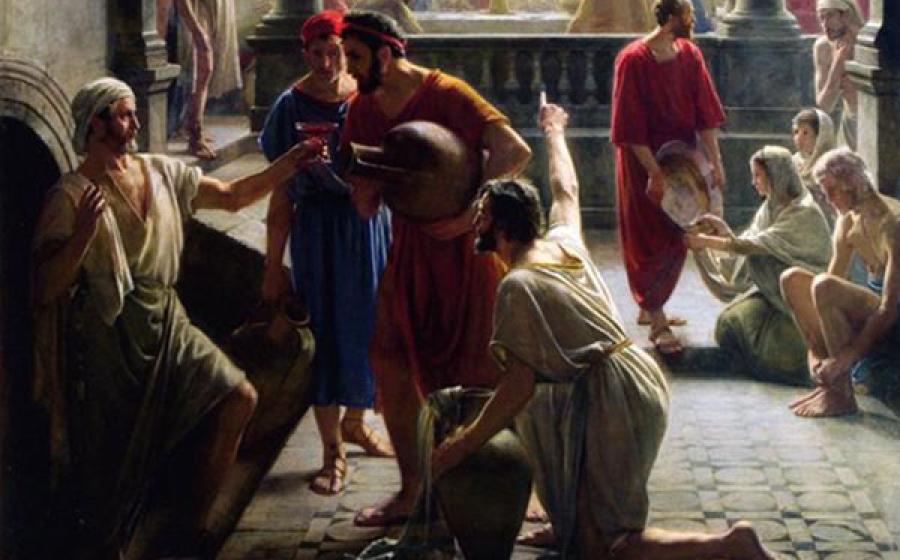
The most famous and successful of the scientists and engineers from the 1 st century was Hero (Heron) of Alexandria, who was conjuring up all kinds of weird and wonderful mechanical gadgets and steam engines, that both entertained the royalty and dumfounded the faithful in the temples. The ancestry of Hero is unknown. He came from Alexandria in Egypt, but Carl Boyer, a historian of science and mathematics, has said that his work and mathematics demonstrate that Hero must also have had Parthian and Greek influences. What Made Alexandria the Intellectual Capital of the Ancient World? Mathematical Genius or Mesmerizing Magician? The Psychomagic of Scotland's Ancient Lost Wizard The date of Hero’s life and work is also unknown but extracts
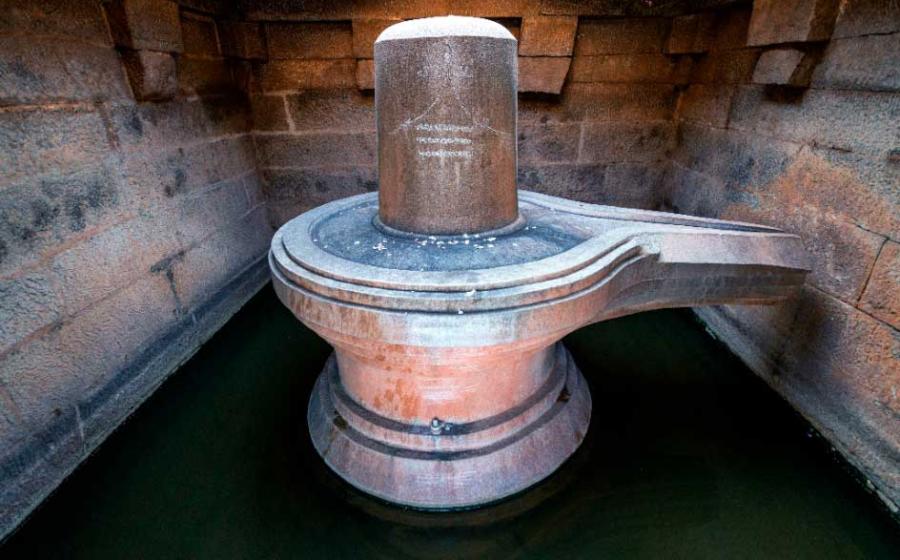
The Christian Bible has been the subject of scholarly study for centuries. With a mix of prose and poetry, history and metaphor, deciphering biblical verses can be an arduous endeavor. The story of Jacob in Genesis is one example where careful reading can be revealing. Translations Yield Clues about Jacob’s Pillow In the King James Bible, the standard translation for Genesis 28:18 is as follows: And Jacob rose up early in the morning and took the stone that he had put for his pillows, and set it up for a pillar and poured oil upon the top of it. And he called the name of that place Bethel that is, the house of God. Gen 28:18 What does the Book
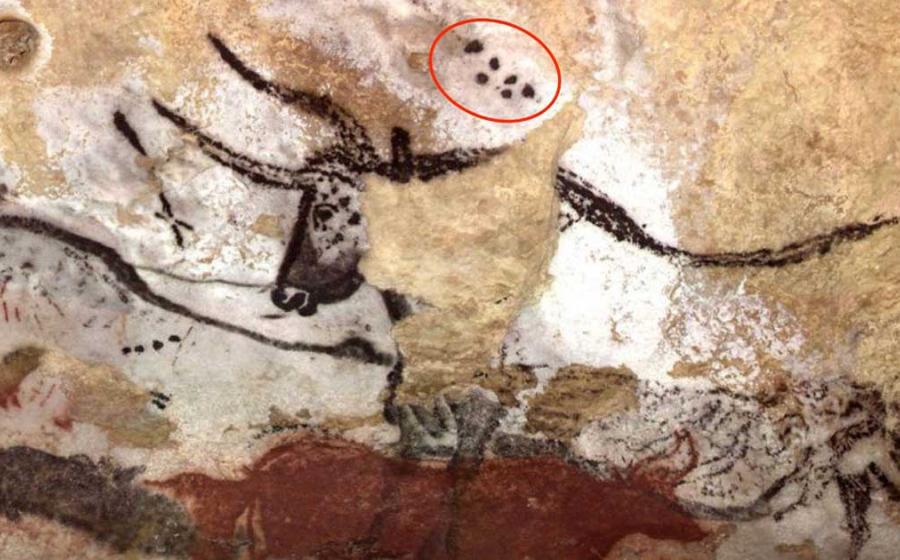
I did not realize until recently, that there may be some astrological imagery within the magnificent Stone Age paintings in the Lascaux Cave complex, in the Dordogne region of France. But although I am a little late to this particular party, perhaps I can add something to these speculations.Although classical academics will not readily admit to any ancient cosmic symbolism in ancient times, and seemingly know nothing of ‘precession’. Neolithic or Palaeolithic man may have been rather more enlightened. Precession refers to the ‘wobble’ of the Earth. The Earth is a giant gyroscope, so it wobbles (precesses), with a very slow but predictable 25,600-year wobble. Monsieur Jacques Laskar, the French astronomer, has calculated the Earth’s precession for the past 25
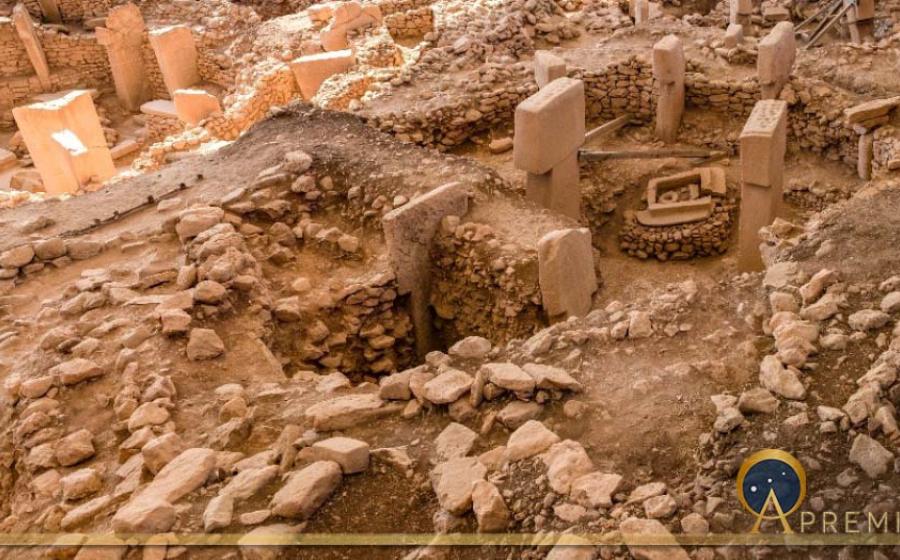
How would one describe Gōbekli Tepe, and all the other Tepe sites in the Şanlıurfa Province, south-eastern Anatolia? One might opine that these ancient sites contain a cluster of circular enclosures, with many rectangular buildings behind them. The circular enclosures often contain benches around the perimeter, and two monolithic standing stones in the center. And there is a possibility that these enclosures were roofed, and perhaps oriented with cosmic alignments or symbolism. Astonishingly one can find similar structures at the opposite side of the globe, at Puerto Bonito in the Chaco Canyon, New Mexico. [[{"type":"media","view_mode":"media_original","fid":"97588","attributes":{"alt":"The archaeological site of Göbekli Tepe: main excavation area with four monumental circular buildings and adjacent rectangular buildings (Image: German Archaeological Institute, photo E. Kücük)","class":"media-image","style":"width: 530px
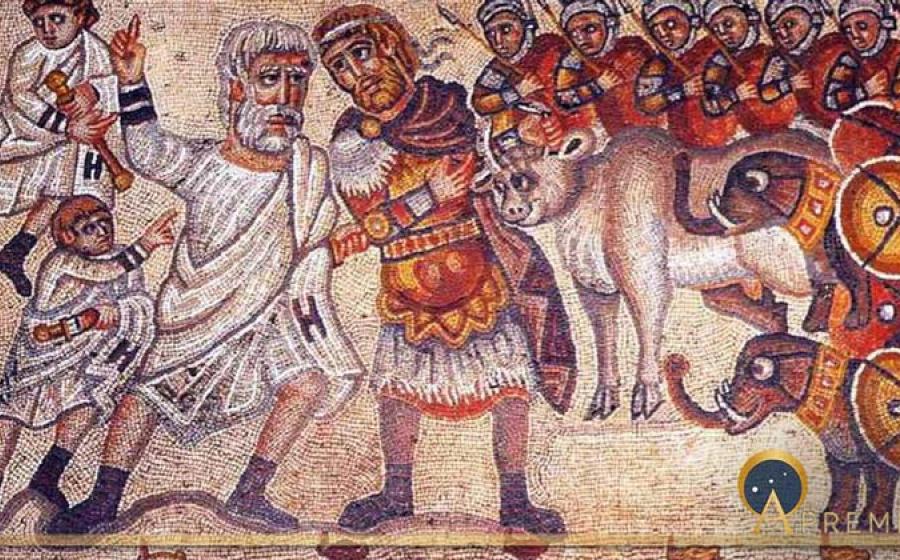
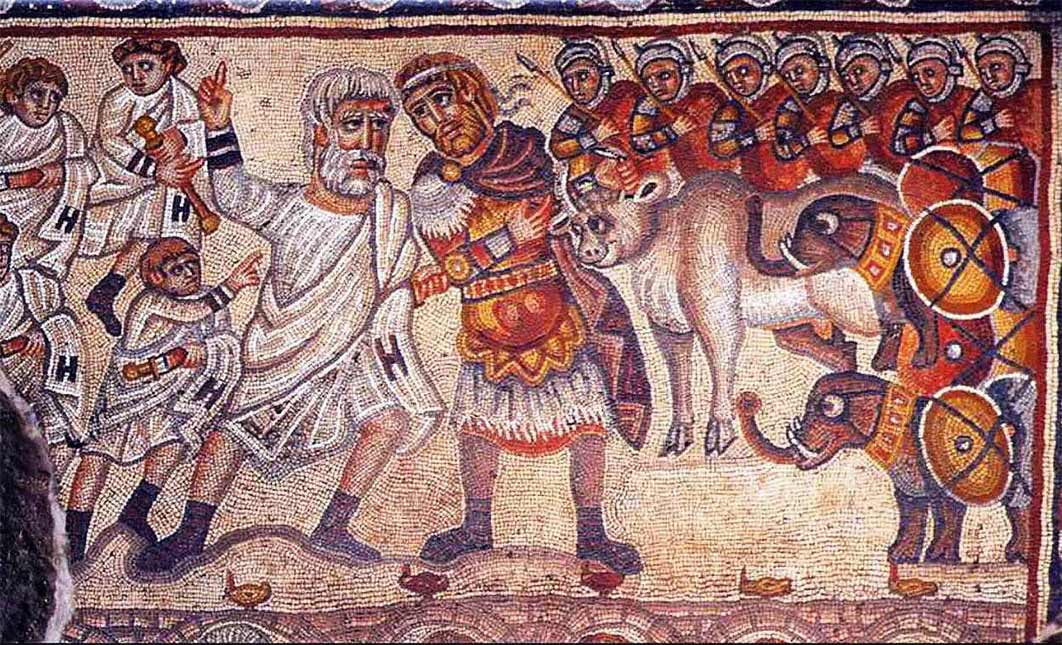
Could the strange H-symbol on the tunics of first century Jewish high priests of the Temple of Solomon in Jerusalem resonate with the similar H-symbol, that was deemed sacred almost 10,000 years prior by the priesthood of Gōbekli Tepe, considered the first temple of humankind? In addition, at Gōbekli Tepe, the H-symbol is often bracketed by two opposing C-symbols. It has been suggested that the Gōbekli Tepe C-symbols represent the Crescent Moon, because a C-Moon symbol is clearly represented elsewhere on these pillars. The Crescent Moon and Sun symbol found at Gōbekli Tepe were extensively used by the later Persians and Phoenicians. The equally enigmatic ‘handbag’-symbol from Gōbekli Tepe was also widely used in Persia, indicating that these very ancient
The Old and New Testaments are often portrayed as being written in isolation, and bearing little or no connection to the beliefs that preceded them. But this view is unlikely in the extreme, as the Israelites were resident in Egypt for many centuries prior to the claimed Exodus and are likely to have been highly influenced by the Egyptian monotheism of Pharaoh Akhenaton. It is well known, for instance, that Proverbs 22 comes from the Instructions of Amenemopet, (composed most likely during the Ramesside Period circa 1300–1075 BC) while elements of the Sermon on the Mount come from Maxims of Ani (an ancient Egyptian text written in the style of wisdom literature which is thought to have been composed in