
October
12
/ 2026
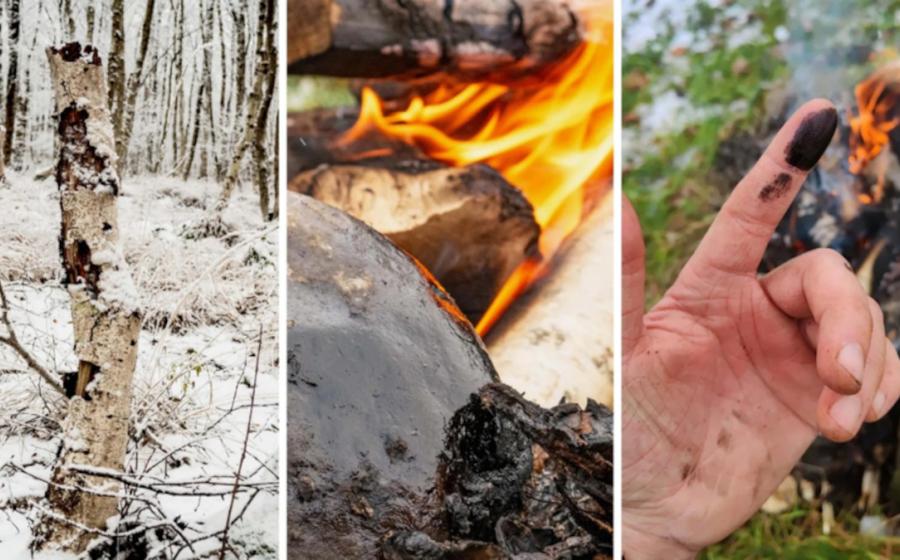
For decades, the sticky black tar that Neanderthals cooked out of birch bark has been filed away in the archaeological literature as prehistoric glue. A new round of laboratory experiments suggests that label is far too narrow. Researchers in Germany, Britain, Belgium and Canada made birch tar using methods reconstructed from Middle Palaeolithic sites, then tested it against bacteria, and every sample inhibited Staphylococcus aureus, the organism behind many infected wounds. The work, published in PLOS One, was led by Tjaark Siemssen of the University of Cologne and the University of Oxford. A Glue That Did Much More Than Stick Birch tar is found at Neanderthal sites across Europe, often still clinging to stone tools. It was made by heating