
October
09
/ 2026
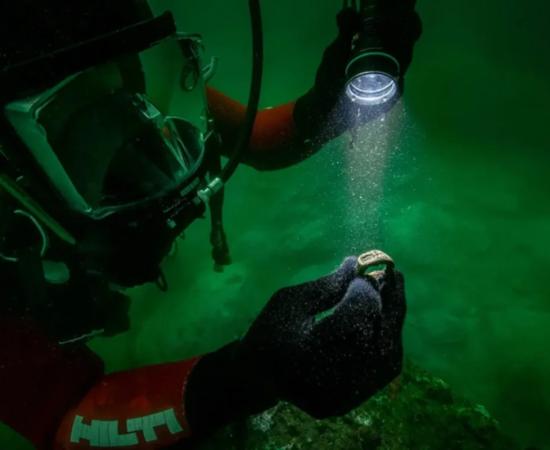
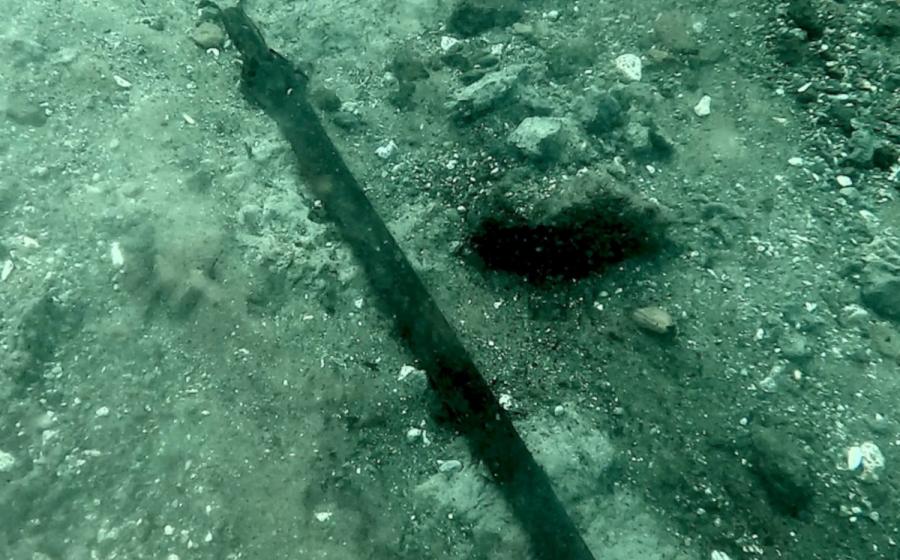
Underwater archaeologists have lifted a bronze sword from a submerged Bronze Age village in central Italy that is more than 3,000 years old – and still sharp enough to cut. The weapon, raised from Lake Mezzano in the Tuscia region of Lazio, is the third sword to come out of the same site since the 1970s. Why so many finely made blades ended up there is a question researchers still cannot answer. The find was announced by the Soprintendenza Archeologia, Belle Arti e Paesaggio for the province of Viterbo and Southern Etruria, whose Underwater Archaeology Service recovered the blade during the closing stages of its 2026 season, assisted by Carabinieri divers. As HeritageDaily reports, the Superintendency described the recovery as