Nathan Falde

Profile picture for user Nathan Falde
Nathan
Falde

Nathan Falde graduated from American Public University in 2010 with a Bachelors Degree in History, and has a long-standing fascination with ancient history, historical mysteries, mythology, astronomy and esoteric topics of all types. He is a full-time freelance writer from Wisconsin in the United States. Nathan is an avid reader with a wide variety of interests, which is reflected in his diverse writing portfolio. In addition to his work as a writer, Nathan has spent time teaching English as a second language in Colombia, where he now lives with his wife and son.

Member for

7 years 5 months

View Recent Blogs

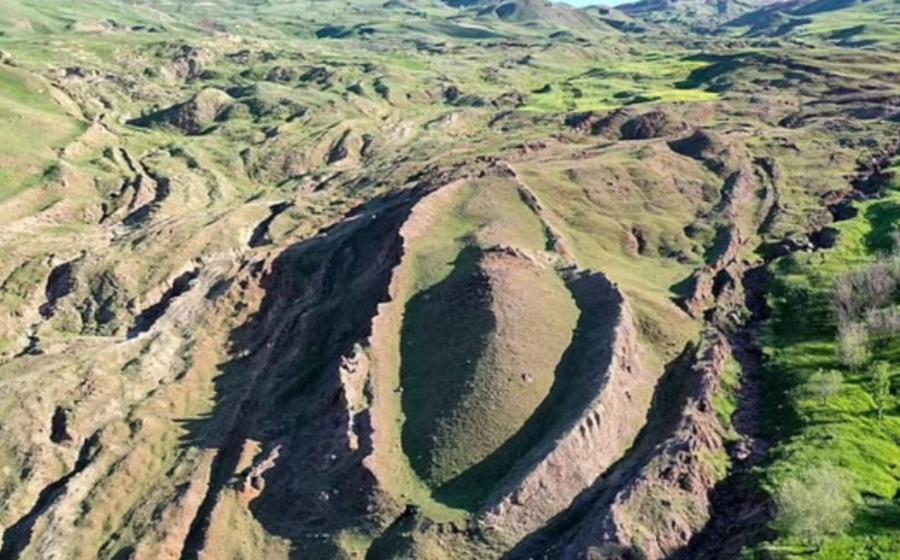
In a mountainous area of eastern Turkey, a team of American researchers believes they may have uncovered the remnants of one of history's most legendary vessels—Noah’s Ark. Working at a mysterious and intriguing site known as the Durupınar Formation, the group was stunned to discover what they describe as a “tunnel” beneath a boat-shaped geological formation that may match the Bible’s description of the vessel that supposedly came to rest after the Great Flood more than 4,300 years ago. According to the Book of Genesis, Noah’s Ark was a massive wooden ship built to preserve humanity and animal life from a catastrophic global deluge. After 150 days, the Bible says, the ark came to rest “on the mountains of Ararat.”
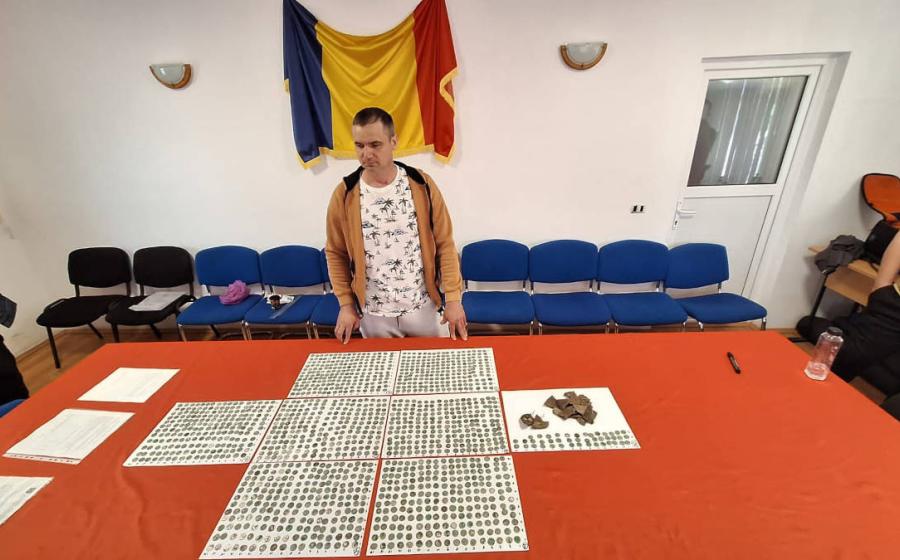
Its a big story whenever metal detectorists uncover a valuable archaeological treasure—not just an interesting trinket here or there, but an actual cache of precious items that reveal the presence of ancient civilizations from centuries or millennia ago. This doesn’t happen all that often, which is why these discoveries garner so much attention. But within just a few weeks’ time, two incredibly rich collections of ancient artifacts have been discovered by detectorists in Romania, highlighting the activities of not just one but the two ancient cultures (the Dacians and the Romans) that ruled the territory in succession between 2,500 and 1,700 years ago. Hitting the Motherlode: Elite Dacian Silver Hoard Found in Central Romania In early April, near the commune
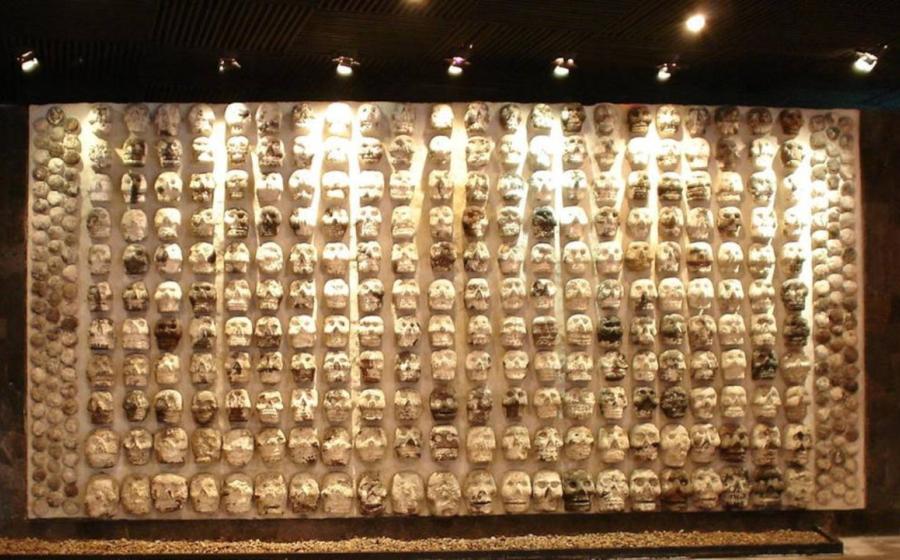
Beneath the ancient Maya city of Dos Pilas in northern Guatemala, archaeologists recently made a grim discovery that reveals the lengths the Maya would go to in order to curry the favor of the gods at harvest time. Deep within a flooded cave known (appropriately enough) as Cueva de Sangre, or “the Cave of Blood,” the archaeologists uncovered hundreds of fragmented human bones, many of which bore unmistakable marks of violent attacks (many were literally chopped into pieces). The nature of the remains clearly suggested that ritual sacrifices of human beings had occurred, which apparently took place nearly 2,000 years ago. The Cave of Blood is part of a network of subterranean chambers located beneath Dos Pilas, and was first
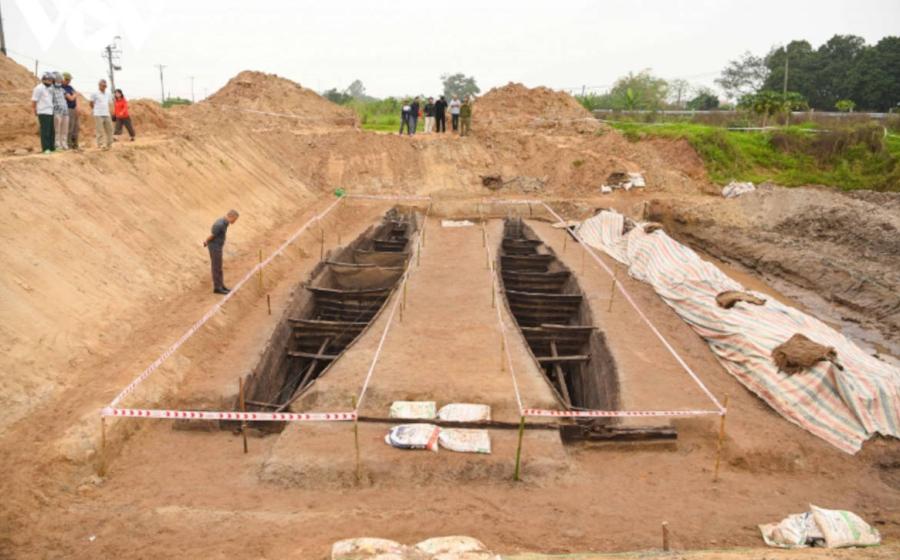
Two remarkably well-preserved ancient wooden boats discovered in Bac Ninh Province are drawing national and international attention for their unprecedented design, historical significance, and potential to reveal hidden details about Vietnam’s ancient trade networks. Found submerged in a fish pond in Thuan Thanh near the western wall of the ancient Luy Lau Citadel, the twin-hulled vessels are believed to be the first of their kind discovered in Vietnam—or anywhere else in the world, for that matter. Researchers affiliated with Vietnam’s Institute of Archaoelogy need to wait for radiocarbon dating results to be certain of when exactly these boats were made. However, some of the characteristics of the boats, such as the boat nails being made of wood and the planks
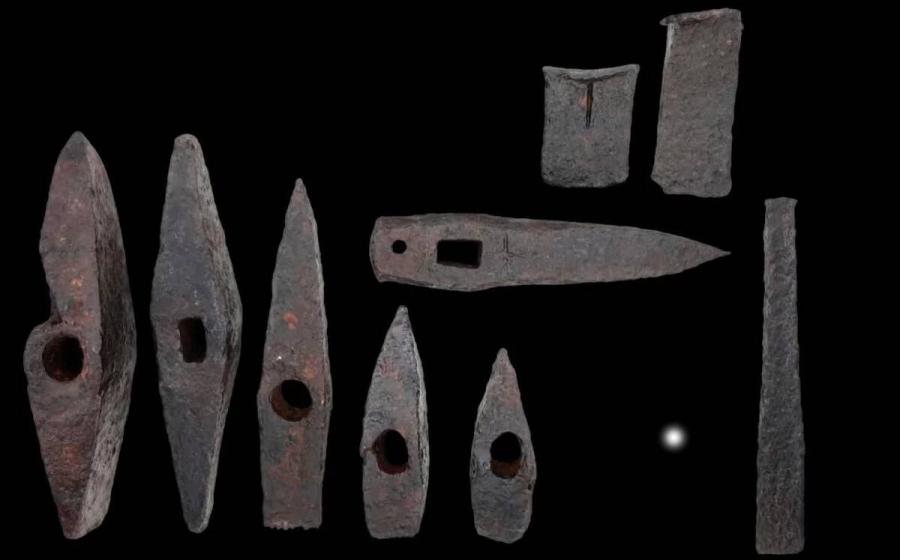
In a heavily forested area near Măgura Călanului hill in Romania, an extraordinary archaeological discovery has come to light. While digging at this site, researchers unearthed a rare set of iron tools once used by a Dacian stonemason over 2,000 years ago, prior to the Roman occupation of the country. This fascinating find shows the kind of advanced skills Dacian craftsmanship possessed, at a time when this type of work was most closely associated with Rome and other cultures in the ancient world. During the summer of 2022, an area resident stumbled upon several rusted metal items close to an abandoned limestone quarry. These objects, seemingly stashed at the base of a tree, were turned over to the Corvin Castle
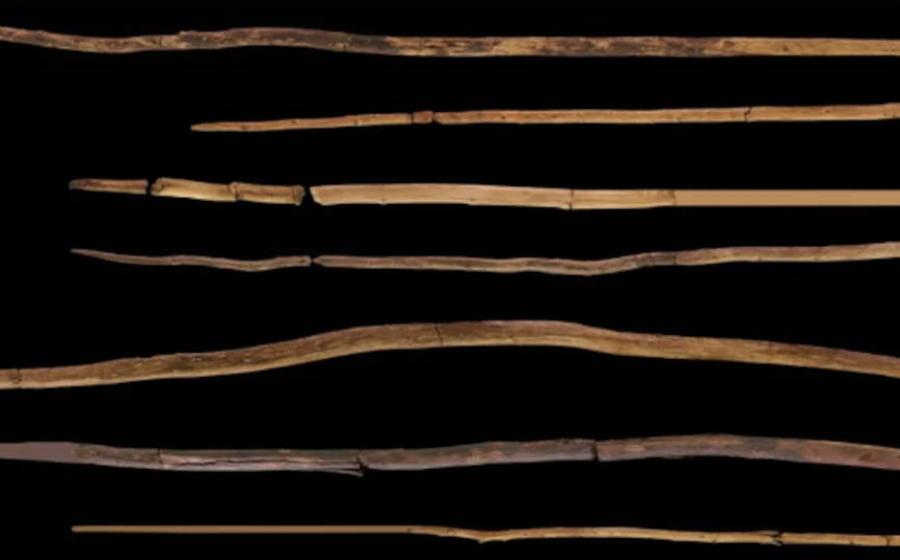
Long before modern humans arrived in Europe, early members of the human family tree were engineering wooden spears to hunt prey along the shores of an ancient lake in central Germany. Nearby animal bones suggest these weapons, discovered in Schöningen, were used to target wild horses—and not just a few horses, but whole herds of them. Originally unearthed in the 1990s, these spears were estimated to be around 400,000 years old, based on the sediment layers above and below where they were found. This initial dating suggested the toolmakers were likely Homo heidelbergensis, a species thought by many researchers to be a common ancestor of both modern humans and Neanderthals. Over the years, additional research led to younger age estimates
A groundbreaking new study has conclusively shown that southwest Britain was a major supplier of tin to Bronze Age civilizations across Europe and as far away as the Eastern Mediterranean. Using advanced techniques of scientific analysis, researchers have proven that tin mined in Cornwall and Devon more than 3,000 years ago was exported across thousands of kilometers, a discovery that instantly modifies understanding of Britain’s importance in Bronze Age trade networks. The international research project, led by Dr. Alan Williams and Dr. Benjamin Roberts of Durham University and published in the journal Antiquity, analyzed tin ores and artifacts from across Europe and from four ancient shipwrecks, three off the coast of Israel dating to around 1300 BC, and one off
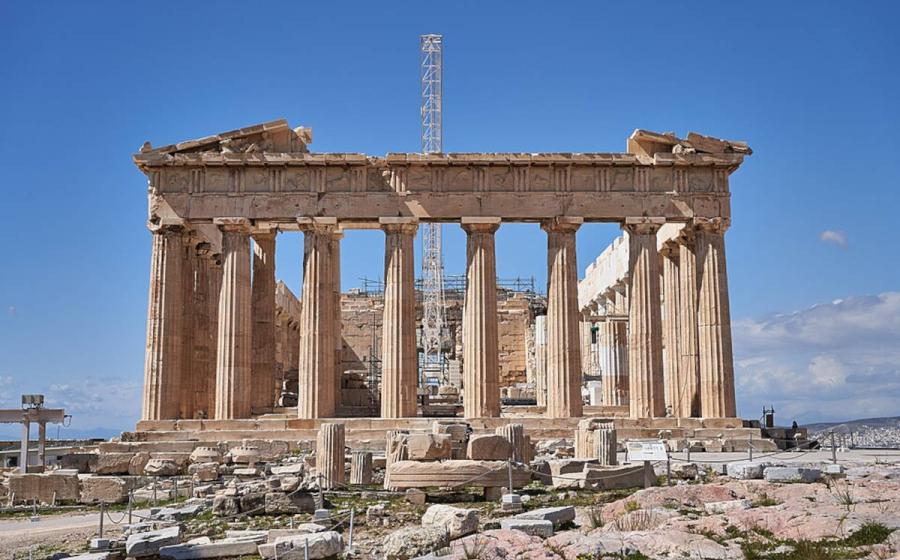
For centuries, scholars have been fascinated by the way the Parthenon, the crown jewel of Athens’ Acropolis, was illuminated, especially given the stories of how the massive statue of Athena Parthenos stood bathed in light within the relatively dark interior. Now, a new study led by archaeologist Juan De Lara of Oxford University has explained how the ancient Greeks designed their temples to make sure the light would keep their most important statues in the spotlight at all times, both figuratively and literally. De Lara’s research, published in The Annual of the British School at Athens, uses 3D modeling and computer-generated imagery to explore how sunlight interacted with the Parthenon as a structure, and with the statue of the goddess
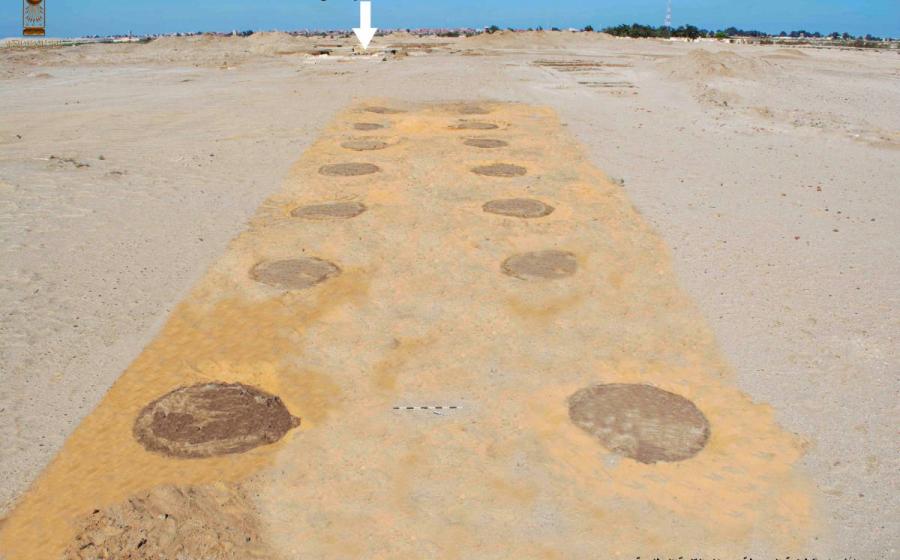
In the northern Sinai Desert, archaeologists have made a remarkable discovery. At a site known as Tell Abu Saifi, they unearthed the ruins of an ancient Egyptian fortress, accessed by an elaborate tree-lined entrance that featured more than 500 planting circles. This dramatic landscape, dating back over 2,000 years to Egypt’s Ptolemaic and Roman eras, is providing archaeologists with unprecedented insights into Egypt’s eastern defensive system, while also revealing more about their landscape modification practices. Recent excavations by Egypt's Ministry of Tourism and Antiquities uncovered the fascinating clay-rimmed planting circles, which flanked a durable limestone-paved road leading directly to the fortress gates from a Roman structure that resembled a castle. Though the exact climate conditions of the ancient Sinai Desert


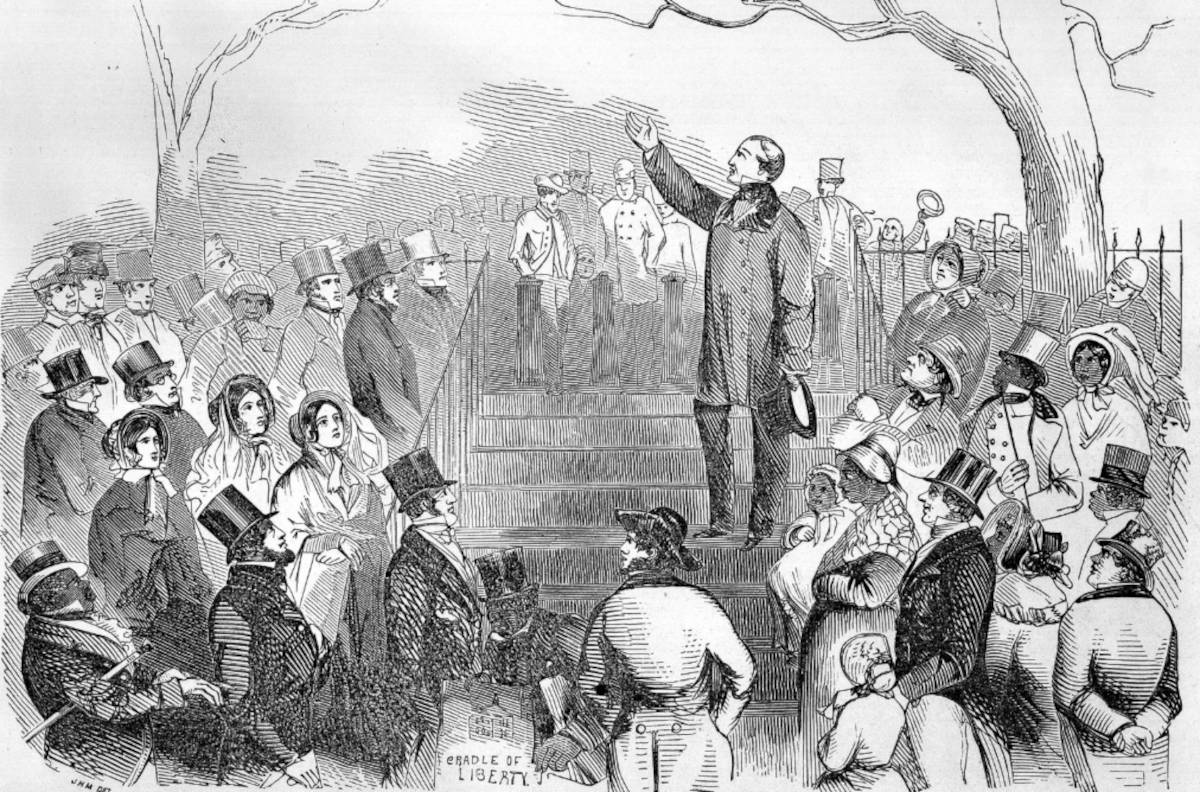
For most of human history, slavery was accepted as part of the natural order. But in the second half of the 18th century things began to change. The spread of Enlightenment thought, the capitalist market revolution, political revolutions in the United States and France and the evolution of Christianity toward a new ethic of individual redemption helped sow the fertile beds from which condemnations of slavery—and calls for its abolition—began to grow.