
August
24
/ 2026
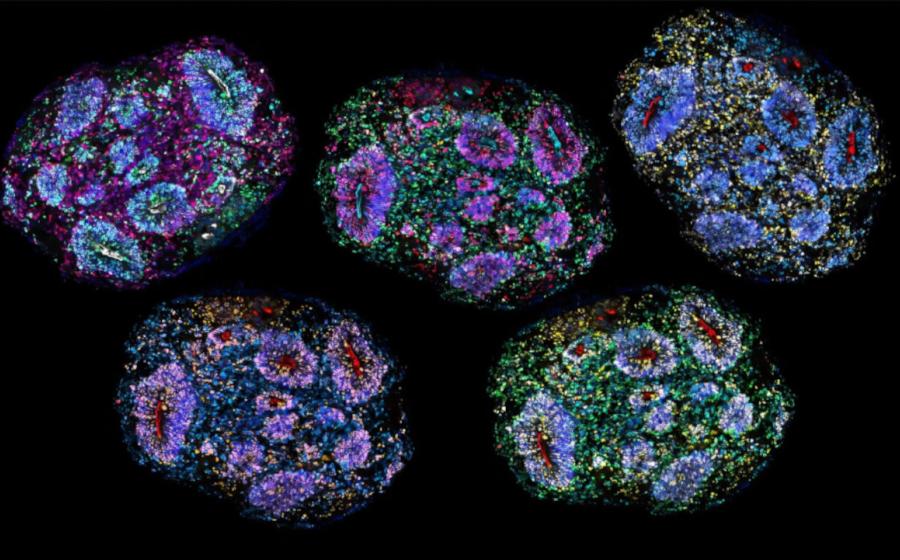
Scientists have kept human brain organoids alive and maturing in the laboratory for more than five years, some even reaching seven years, setting a new longevity record and showing that these tiny clusters of cells track the passage of time much like a developing human brain. The breakthrough, published in Nature on 19 August 2026, comes from a team led by Paola Arlotta at Harvard University and the Broad Institute. It opens new windows onto later stages of brain development that were previously inaccessible in the lab. Brain organoids are three-dimensional models grown from human pluripotent stem cells. Roughly the size of a peppercorn, they contain more than a million cells and spontaneously organize into structures resembling the cerebral cortex