

October
23
/ 2026
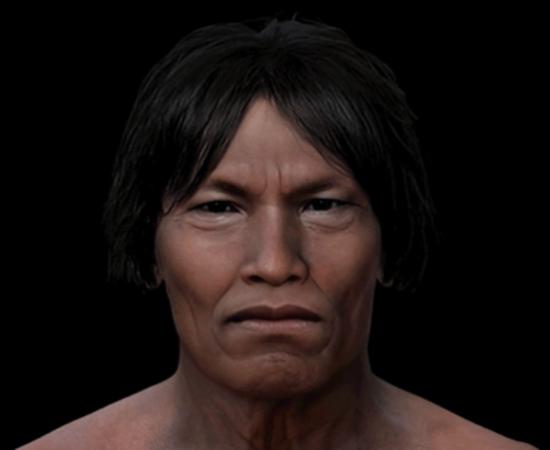
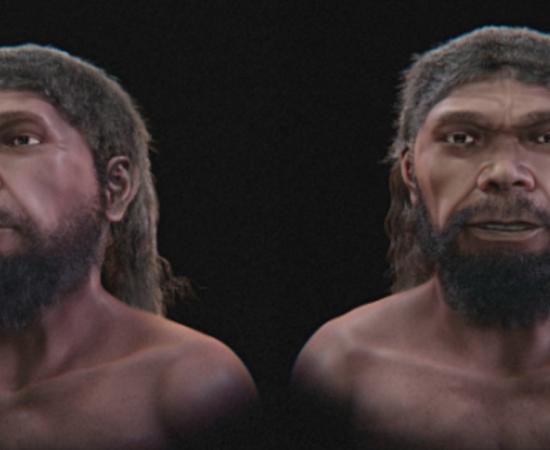
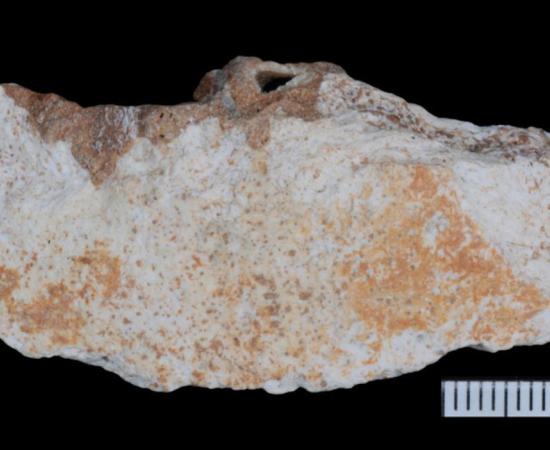
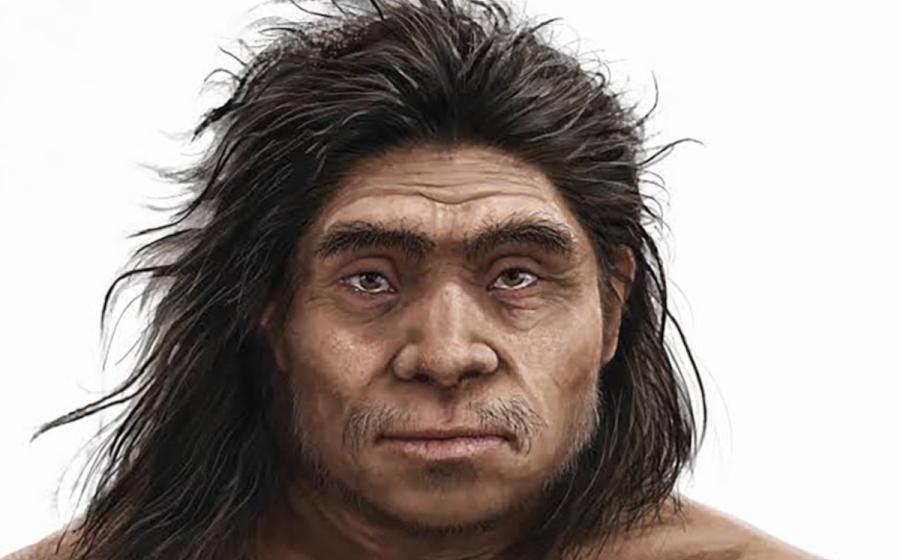
Chinese researchers have brought the mysterious Denisovans into sharper focus, identifying a 199,000-to-138,000-year-old fossil collection as members of the lineage and outlining the heavy-set features they shared. The Nature study, published on October 21, does not reveal a complete face, but it provides the strongest anatomical framework yet for imagining one. The findings, also reported by the South China Morning Post, help turn a people once known largely from DNA into an ancient human group recognizable from its bones. The Denisovan story began in 2010, when genetic material from a finger bone found in Siberia’s Denisova Cave revealed an unexpected branch of the human family. Since then, researchers have linked Denisovan ancestry to populations across Asia and Oceania, while fragmentary