
July
04
/ 2025
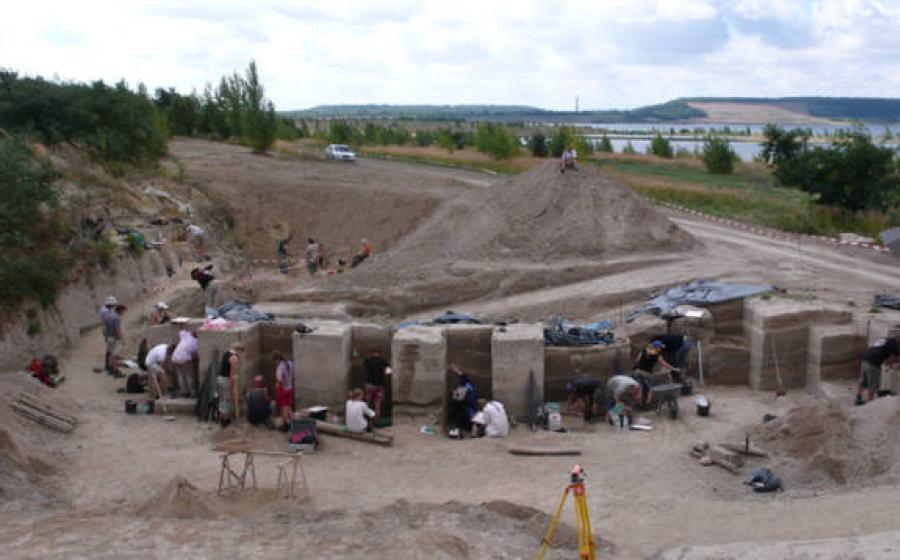
In a discovery that reshapes our understanding of Neanderthal intelligence and survival strategies, researchers have unearthed the earliest known evidence of large-scale bone grease rendering-a practice that pushed the nutritional exploitation of carcasses to its limits. At the Neumark-Nord 2 site in central Germany, Neanderthals 125,000 years ago systematically processed the bones of at least 172 large mammals, including deer, horses, and aurochs, into thousands of fragments to extract calorie-rich fat in what scientists are calling a prehistoric "fat factory." Just published in Science Advances, the study provides the earliest clear case of intensive grease-rendering in Paleolithic archaeology, predating similar practices by tens of thousands of years and revealing a level of resource management once thought unique to Homo sapiens