

October
25
/ 2026
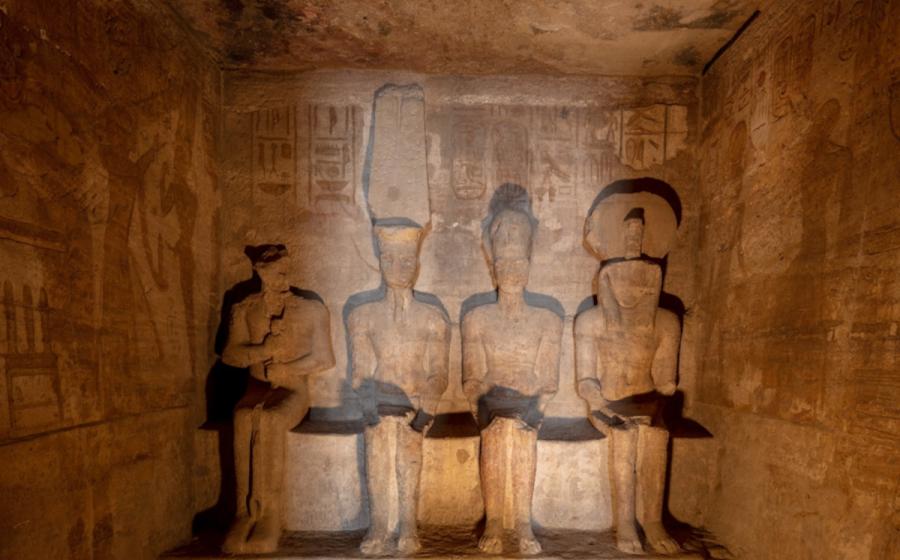
Before dawn on October 22, hundreds of visitors gathered at Abu Simbel in southern Egypt, with some sleeping outside the temple to secure a view of a fleeting solar spectacle. The Abu Simbel alignment sent sunlight deep into the Great Temple of Ramses II. For roughly 20 minutes, the beam reached statues in the inner sanctuary, turning an ancient act of planning into a modern pilgrimage. The Great Temple of Ramses II at Abu Simbel. ( Olaf Tausch / CC BY 3.0 ) A brief light show draws a long queue The phenomenon occurs twice a year, on October 22 and February 22, as reported by the Associated Press. Those dates are widely believed to relate to Ramses II’s accession