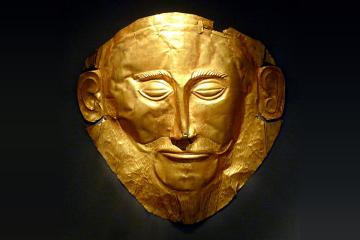
A short clip of Odysseus bowing to Agamemnon in Christopher Nolan's The Odyssey has fans asking why one king would bow to another. The Iliad, read line by line, explains it, and the clay tablets of Bronze Age Greece add a twist of their own.
News
0 Comments
Featured News
Post on:
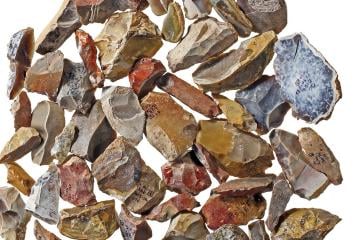
A Tel Aviv University team argues that colorful pebbles, fossil-bearing handaxes and recycled old flints from sites in Israel point to a habit of keeping mementos, and that the habit may have shaped human memory. The authors present it as a hypothesis.
Post on:
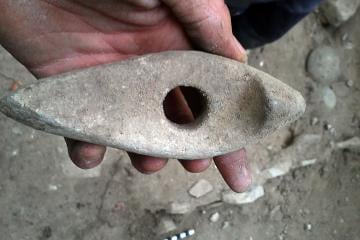
A new synthesis in the journal Germania links stone double axes, rough "coarse ware" pottery and collective graves from France to Denmark, arguing that people on both banks of the Rhine shared ideas in the late fourth and early third millennia BC. Its author stresses that this was a network of regions with strong local traditions.
Post on:
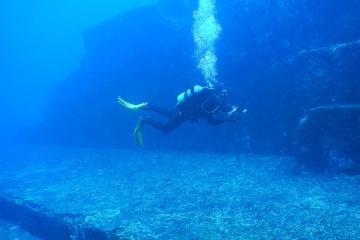
Giant underwater steps off the island of Yonaguni in southern Japan are often described online as the ruins of a city built before the end of the last Ice Age. The geologist who made that case still has supporters, but most geologists who have studied the rock read it as natural sandstone shaped by the sea.
Fact Checks
Popular claims about the ancient past, checked against the evidence.
- Disputed Is the Yonaguni Monument a Man-Made Ice Age Structure?
- Fringe Were the Skeletons at Mohenjo-daro Killed by an Ancient Nuclear Blast?
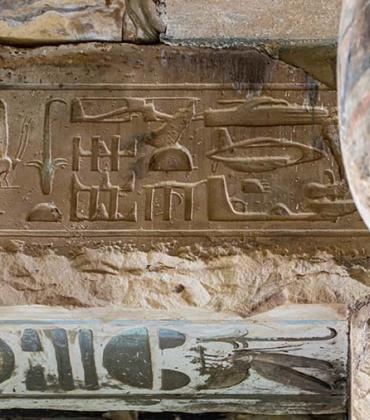
- Fringe Do the Dendera Temple Reliefs Show Electric Light Bulbs?
Fact Checks: how we grade ancient claims How we check evidence
Premium Articles
Human Origins
0 comments

History
0 comments

Artifacts
0 comments

Recent Shorts
Myths & Legends
0 comments

Ancient Places
0 comments

Unexplained Phenomena
0 comments
Weird Facts of History
0 comments