
October
17
/ 2026
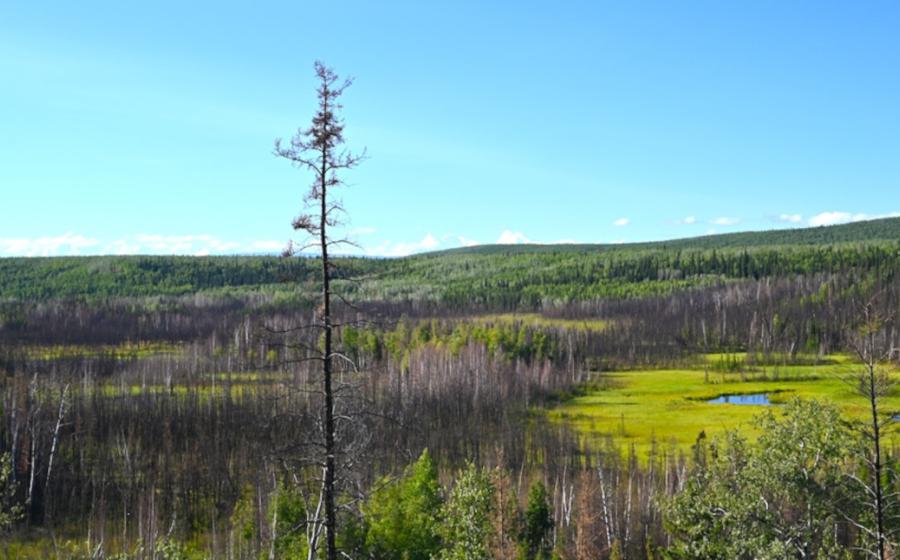
A windswept ridge in interior Alaska has produced an unusually detailed picture of life nearly 14,000 years ago. At Shég’ Xdaltth’í’, a new University of Kansas report describes more than 80,000 archaeological specimens, including animal bones, bone tools, hearths and distinctive stone points. The evidence suggests this was a recurring base camp where people processed food, made tools and organized daily life, rather than simply a brief stop during migration. It also offers a rare material link between Ice Age communities on opposite sides of the Bering Land Bridge. Location of Shég’ Xdaltth’í’ and other early archaeological sites in Beringia. (Graf et al./ Science Advances ) A camp above the Tanana River The site, whose Alaska Native Athabascan name means