Lex Leigh

Profile picture for user Lex Leigh
Lex
Leigh

Lex Leigh is a former educator with several years of writing experience under her belt. She earned her BS in Microbiology with a minor in Psychology. Soon after this, she earned her MS in Education and worked as a secondary science teacher for several years.

Lex has spent the last several years working as a freelance writer between classes, after work, and on the weekends. Her future goals include pursuing writing as a primary career and publishing her first novel in the near future. Topics she is passionate about include science, technology, history, animal welfare, and education.

Member for

4 years 8 months

View Recent Blogs

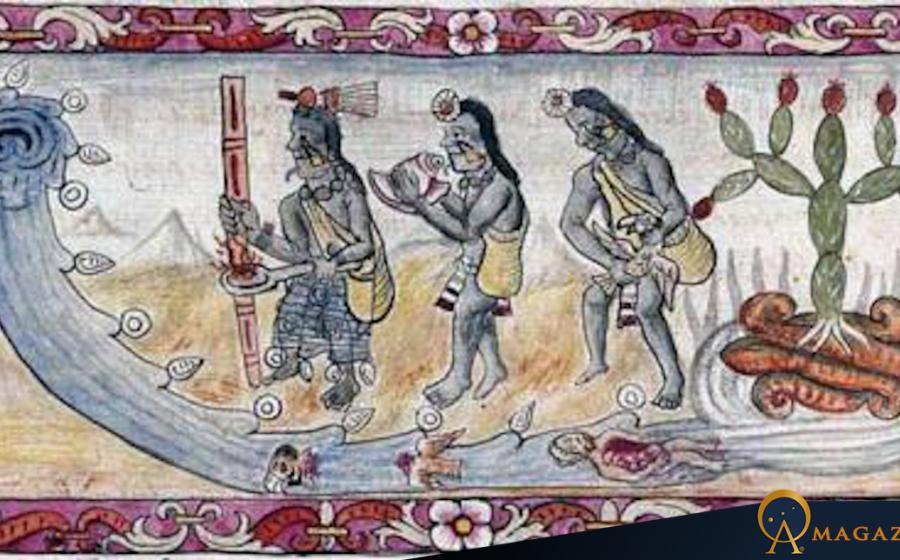
Since the dawn of humanity, countless civilizations have engaged in ritual sacrifice. Often, these sacrifices involved other humans, and were so common they were considered a normal aspect of life. In some cultures, it was even an honor to be the one chosen for sacrifice! Why Did Ancient Cultures Practice Sacrifice? Ritual sacrifice is a practice in which a living thing is killed as an offering to a higher power. This higher power is often seen as a god or gods, although in some cases it could be society as a whole. In communities where sacrifices are common, it is generally believed that they are a necessary part of life and help to restore a sacred order in the universe
Banganarti, a famous archaeological site on the eastern bank of the Nile, is one of the most popular sites in Sudan. Within this site is the Raphaelion, a church that dates back to the 7th century AD and is one of the best examples of Christian Architecture in the region. This building has some unique features fascinating to all who are able to visit it. So what is the history behind this fascinating building, and what was it like for those seeking faith healing during its peak? From Kingdoms to Christianity: The Evolution of Banganarti Banganarti is found in the Nubia region of Sudan. While today it is an archaeological site, it actually has a rich and fascinating history behind
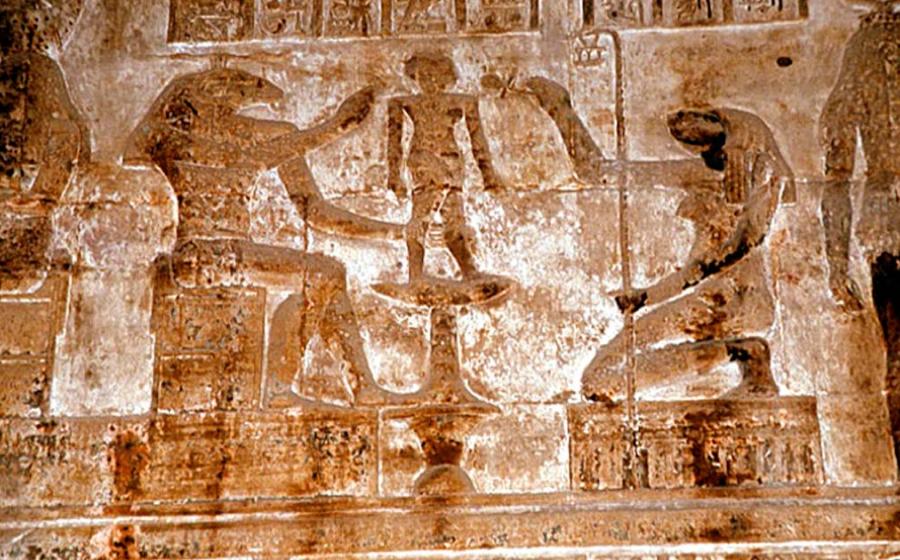
In ancient Egypt, the goddess Heqet reigned supreme as a symbol of fertility and childbirth. Heqet’s following spanned the ages, from the Old Kingdom to the Ptolemaic period, due to her impact on fertility, agriculture, and funerary practices. As one of Egypt’s most popular deities among women, Heqet was heavily invoked by those wishing for protection during pregnancy. Exploring the Theories of Heqet’s Mysterious Origins The origins of Heqet as a goddess are somewhat obscure, and there is no clear consensus among scholars on how she first came to be worshipped. However, there are a few theories out there based on the available evidence. One theory suggests that Heqet may have been a member of the Heliopolitan cosmology, a creation
Throughout ancient history, many women have defied societal expectations and risen to positions of power and influence. During their reigns, they left unforgettable marks not only on their own civilizations, but on human history as a whole. Their stories tend to fascinate and inspire us, as these women often had untraditional paths to power. Below are the stories of four of ancient history’s influential women rulers. 1.Wu Zetian, China’s Only Female Emperor (624 - 705 AD) Traditionally known as Empress Wu, Wu Zetian is known as the only female emperor in Chinese history. Coming from an untraditional background, Wu Zetian started as a concubine for Emperor Taizong, and later became concubine of his successor, Emperor Gaozong. During this time, Wu
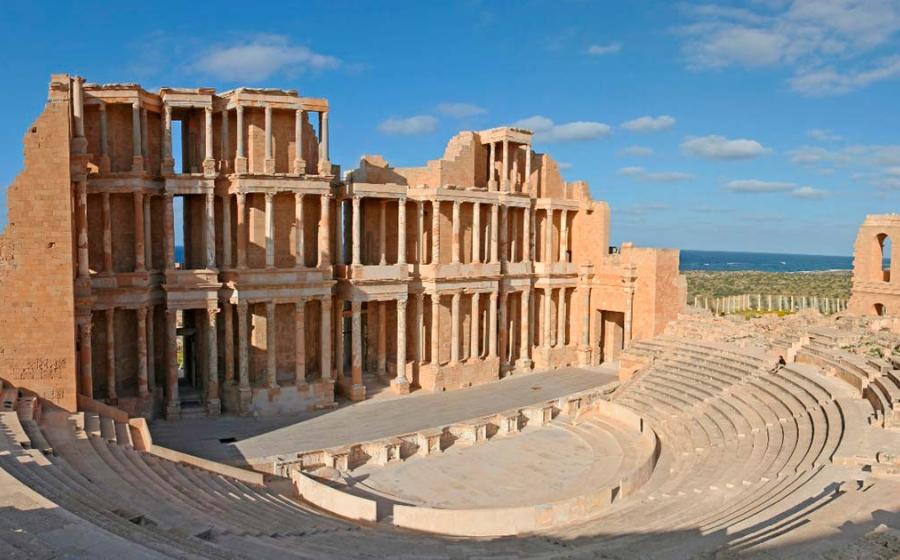
Hidden away on the Mediterranean coast, 70 km west of Tripoli, lie the captivating ruins of Sabratha. This ancient Roman city was once renowned for its impressive architecture, artistic achievements, and intellectual output. Today, Sabratha’s crumbling remains offer both historians and visitors a glimpse into the city's rich history and cultural legacy. Unraveling Sabratha’s Rich Ancient History Sabratha, located on the Mediterranean coast about 70 km west of Tripoli, is an archaeological site that was once a thriving Roman city during the 2nd and 3rd centuries AD. Although the oldest known record of Sabratha dates back to its founding in the 5th century BC by Phoenician traders, specific written records from that time period may not exist. How Byzantine Art
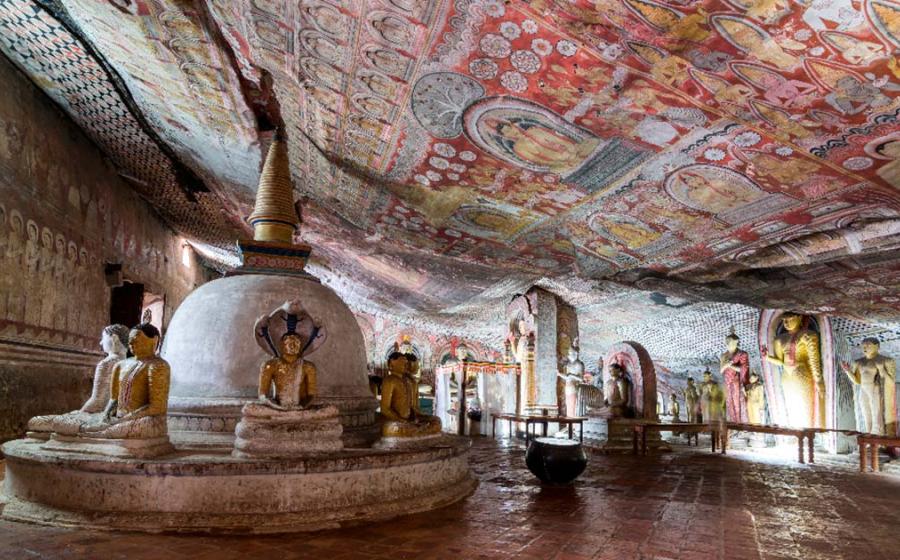
One of Sri Lanka’s most well-preserved gems is the Dambulla Cave Temple, a renowned Buddhist temple complex from the 1st century BC. Sometimes referred to as the Golden Temple of Dambulla, the complex holds significant historical, cultural, and religious value. Pre-Buddhist Origins as a Royal Hideout The history of the Dambulla Cave Temple originates well before the Buddhist Era in Sri Lanka. According to many historical records, the caves were first used in the 1st century BC by King Valagamba, the ruler of Anuradhapura. Anuradhapura was the ancient capital of Sri Lanka, and was frequently attacked by South Indian forces. As a result, King Valagamba used to hide in the caves of Dambulla to avoid his enemies. According to the
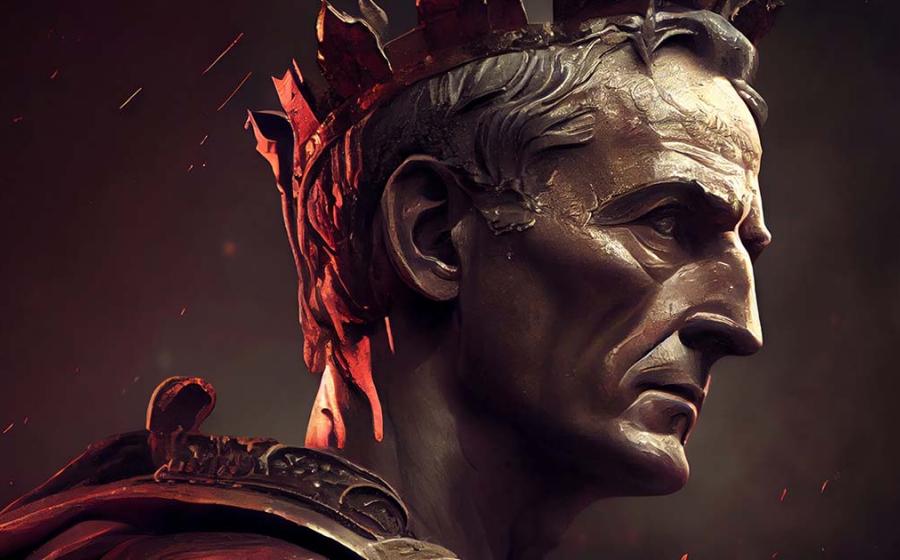
Tullus Hostilius, the third legendary king of Rome, is a figure shrouded in myth and legend. Hostilius strictly adhered to the law and held firm beliefs regarding the importance of Roman religious rituals. Over the course of his reign, he was known primarily for his military leadership and his aggressive expansion of Roman territory. Though his historical existence cannot be definitively confirmed, Hostilius’s story remains an important and fascinating part of Roman mythology. So what do we know about this legendary Roman king? [[{"type":"media","view_mode":"media_original","fid":"109836","attributes":{"alt":"18th century engraving representing the legendary Roman warrior king Tullus Hostilius. (Public domain)","class":"media-image","height":"629","style":"width: 449px; height: 629px;","typeof":"foaf:Image","width":"449"}}]] 18th century engraving representing the legendary Roman warrior king Tullus Hostilius. ( Public domain ) The Mysterious Ascent to Power of
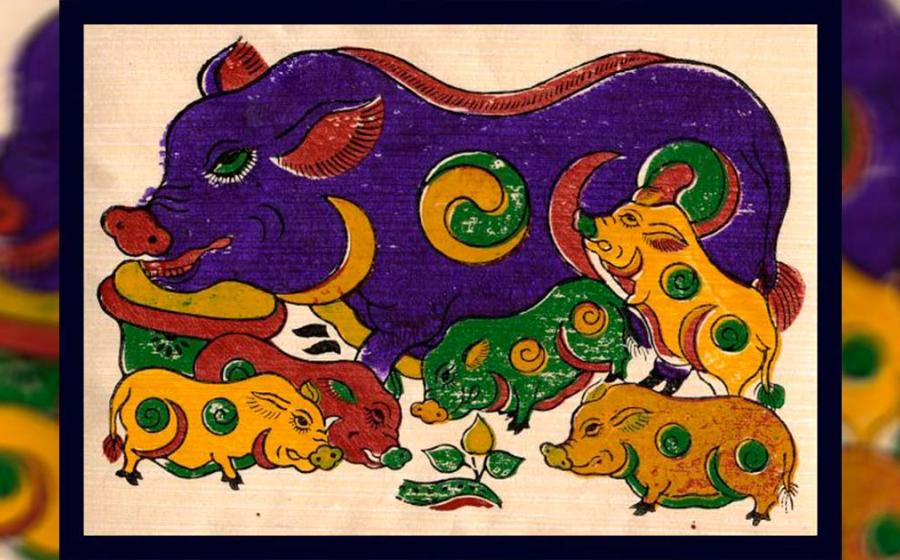
The rich and fascinating history of Dong Ho painting spans centuries and reflects several cultural and political changes in Vietnam. This art form, born in the Red River Delta region in the 17th century, began as a simple way to adorn homes during festivities, but soon became a potent tool for propaganda during times of war and revolution. With their vibrant colors, symbolic elements, and connection to traditional materials and techniques, these paintings offer a window into the cultural legacy of Vietnam, sparking inspiration in artists and enthusiasts alike. These masterpieces are more than just art; they are a testament to the resilience and spirit of the Vietnamese people, and an ode to their rich heritage. Chinese New Year 2022
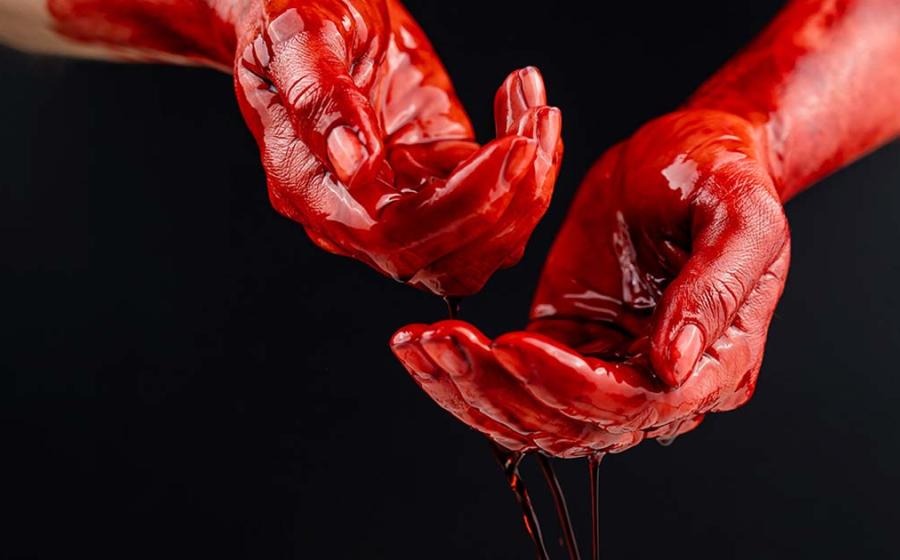
Dies Sanguinis, meaning “Day of Blood” or “Day of the Bloody Sacrifice,” was an intense, yet sacred, day in the Roman calendar. Celebrated annually on March 24th, this day was dedicated to the goddess Bellona, who was known for her association with war, bloodshed and violence. Those celebrating this sacred day typically engaged in animal sacrifices, including the sacrifice of a bull, performed by Roman priests in the Temple of Bellona. But what was the purpose behind such gruesome rituals? [[{"type":"media","view_mode":"media_large","fid":"109427","attributes":{"alt":"Animal sacrifice was an important aspect of many Roman ceremonies, especially for the Dies Sanguinis. (Fair use)","class":"media-image","height":"405","style":"width: 610px; height: 405px;","typeof":"foaf:Image","width":"610"}}]] Animal sacrifice was an important aspect of many Roman ceremonies, especially for the Dies Sanguinis. (Fair use) The Mysterious Origins
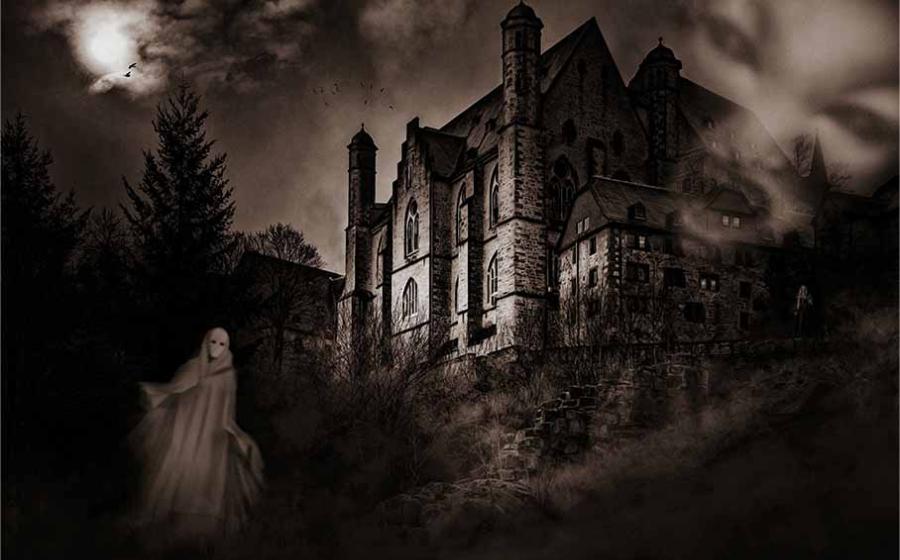
Ghosts have been a part of human folklore and legends for centuries, captivating our imaginations and sending shivers down our spines. From ancient Rome to modern-day Japan, some of the most famous ghost stories are those that have been passed down from generation to generation. The fascinating origins of some of the most popular ghost tales in history have only added to their enduring appeal. 1. The White Lady of the Tower of London: Anne Boleyn or False Thief? The White Lady is a well-known ghost at the Tower of London, and she is believed to haunt the chapel of St. Peter ad Vincula. According to ancient legend, the White Lady was once a woman who was wrongly accused of