Cliff Dunning

Profile picture for user Cliff Dunning
Cliff
Dunning

Cliff Dunning is an archaeo-investigator, author, host, and producer of the award-winning history & culture podcast Earth Ancients. He served as the Program Director for The Learning Annex, Whole Life Expo, and numerous national conferences. He developed a keen awareness for provocative subjects on our planet’s unknown civilizations and the thousands of anomalous archaeological discoveries not covered by conventional science and the media. A regular contributor to Ancient Origins, and participated in the Ancient Hi-Tech Uncovered April 2021 Conference. He is the author of the soon-to-be-released book, the Black Knight Satellite. Cliff has spent considerable time in Mexico studying Maya traditions and history and was mentored by Maya Daykeeper’s (Shaman) on their beliefs and practices. His presentation features new information on the Maya pyramid science, its origin, and use. Learn more about Cliff’s work at www.earthancients.com.
 

Member for

9 years 5 months

View Recent Blogs

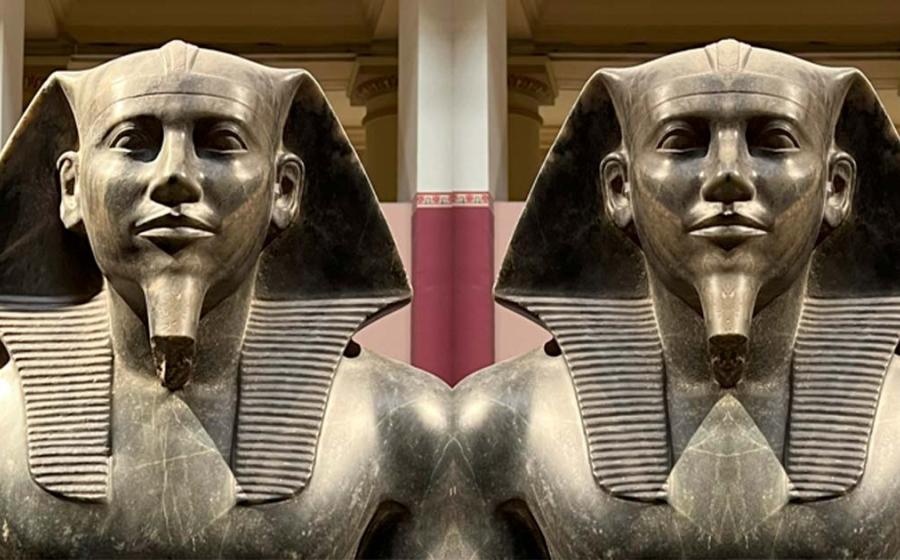
I'm still digesting our recent tour to Egypt; the temple and the pyramids - just the atmosphere of the ancients was a lot to take in. Each time I visit, I’m stunned at the beauty, sophistication, and intelligence of those who left evidence of their time on Earth. Each Spring, a group of listeners joins me and our guide, Mohamed Ibrahim, for a 12-day tour of ancient Egypt. These visits are unique and feature compelling evidence of a highly sophisticated people who shaped Egypt’s pre and Dynastic periods. This past May, we were introduced to a class of statuary that appeared to reveal clues about these people who settled in Cairo and the surrounding area. We're also learning that the
I’ve had an affinity for the Maya civilization for almost 30 years, and between working with native elders, vacations, and leading tour group visits to Mexico, I can vouch for the mystical nature of these people. It’s easy to see why television programs like Ancient Aliens are attracted to the Maya; they represent a complete departure from the norms we associate with an ancient culture. The Greeks, Romans, and Babylonians left us written records of their society, what they thought at the time, and descriptions of their daily activities. We have only fragments of information on the Maya lifestyle and nothing on why they chose to build pyramids, their interests in astronomy, and numerous other topics which appeared to have
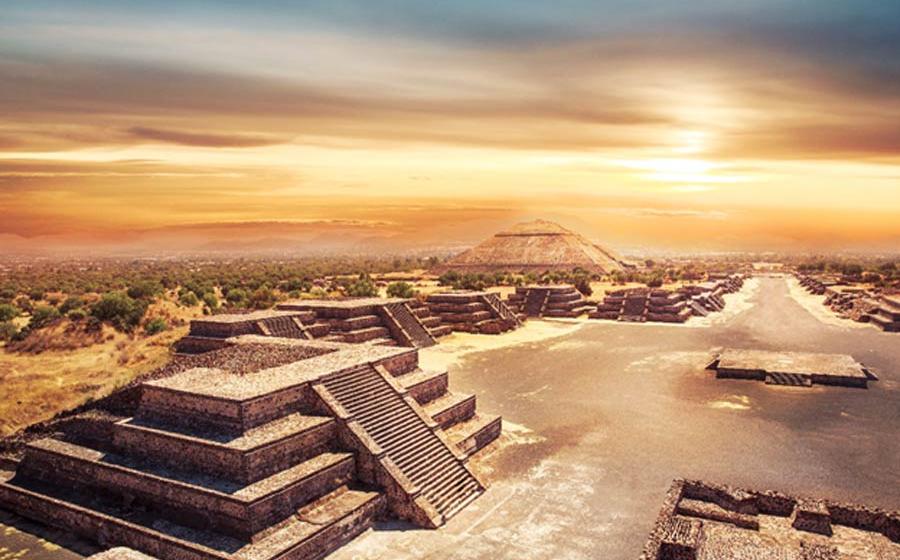
Teotihuacan’s Lost Kings, a television special, took an hour long look at the great city, its inhabitants, and the excavation of the Temple of Quetzalcoatl, (also known as the Feathered Serpent Pyramid.) The program revealed evidence of advanced engineering built into a tunnel system, and placed directly underneath the Pyramid. As a team excavated the tunnels, viewers witnessed what must be considered the interior of an ancient generator, where combinations of chemical, mineral, water (and possible electromagnetic fields) were introduced into chambers, resulting in some form of energy. How and where this energy was delivered is still unknown, but based on the design of the complex, we can now speculate as to how the entire facility may have operated. Note
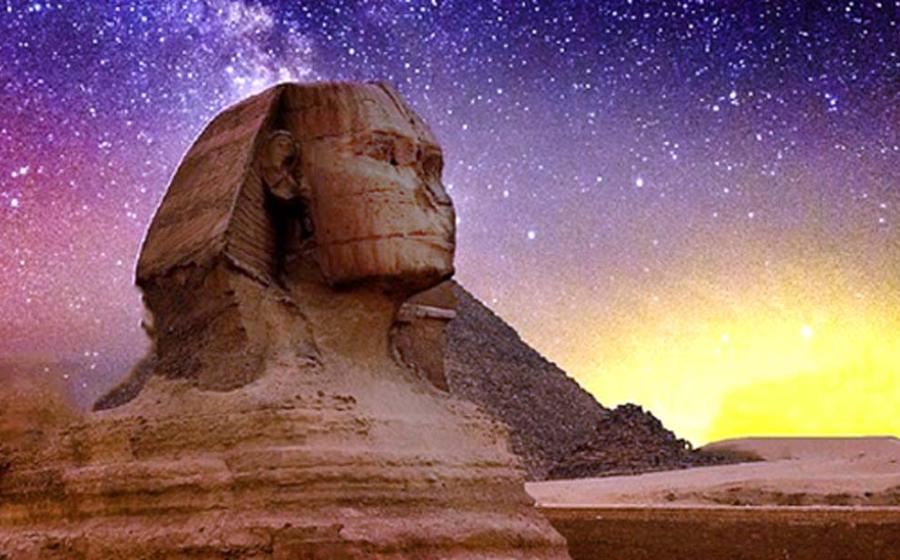
In 1995, NBC televised a prime-time documentary hosted by actor Charlton Heston and directed by Bill Cote, called Mystery of the Sphinx. The program centered on the research and writings of John Anthony West, a (non-academic) Egyptologist, who, along with Dr. Robert Schoch, a professor of Geology at Boston University, made an astounding discovery on the Great Sphinx of Giza in Egypt. At the time, most Egyptologists believed the Sphinx had been carved in the likeness of a pharaoh named Khafre during his reign around 2500 BC (approximately 4,500 years ago.) This was based on a vague hypothesis from the fragments of a stela (stone marker) found near the front of the massive sculpture. [[{"type":"media","view_mode":"media_large","fid":"41910","attributes":{"alt":"An antique photo of the Sphinx
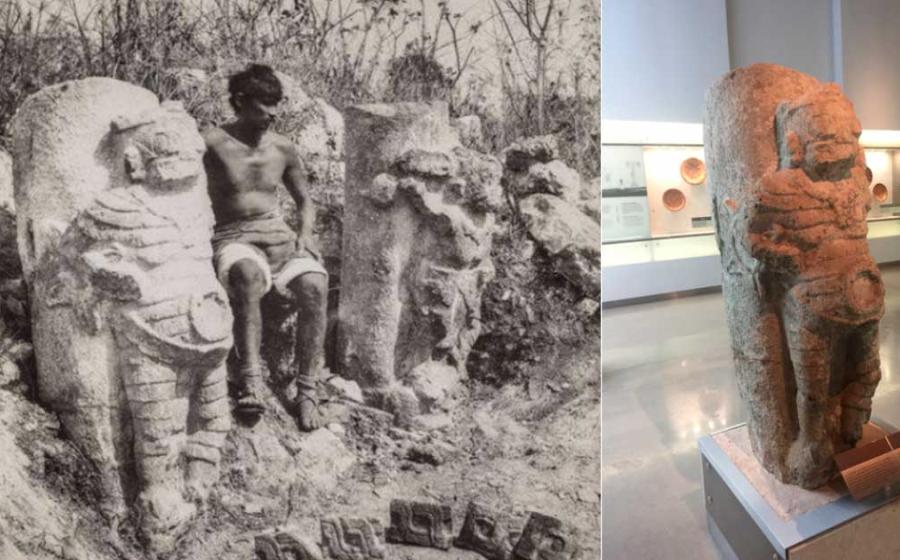
In the late 1890s, as America was developing into an industrial heavyweight, its scientists and explorers were rediscovering Earth’s ancient past and charting forgotten civilizations around our planet. One of these explorers was Augustus Le Plongeon, a French American who, after reading the exploits of Stephens and Catherwood in Incidents of Travel in Central America, Chiapas and Yucatan, set out to explore Mexico and the Maya cities on the Yucatan Peninsula. The accomplished photographer and land surveyor, Augustus arrived in Mérida, Mexico (capital of Yucatan) in 1875, and together with his wife Alice made plans to visit a number of major Maya ruins. Before they could go anywhere, an armed escort had to be arranged for protection against bandits, Maya
The oral traditions of Native Americans are historical content that most academics refuse to reference, even in the face of startlingly accurate perceptions of early earth conditions and human occupation. This is most apparent from an anthropological perspective when we seek to understand the great antiquity of the Maya, one of the most misunderstood and thought-provoking cultures from Central America. What little we do know about the early Maya comes from the Spanish, the few sacred books (codices) that were spared in the genocide, and recent decipherment of stela (standing stone markers.) Arriving in the New World seeking gold and new lands for the monarchy, the chronicles of the Spanish conquistadors described the ruins of magnificent cities, strange observatories for
In his poems of the Iliad, the Greek Philosopher Homer introduces us to the mythical city of Troy, which remained a curiosity to many until the late 1870s when Heinrich Schliemann, on a hunch, began excavating the remains of an ancient city in Turkey. Although he was an amateur archaeologist and his methods were considered somewhat outlandish, Schliemann would evidentially find Troy and confirm its place in history. Most historians consider Plato’s description of Atlantis, written in Timaeus, was simple story-telling as told to him by Solon, an Athenian traveler, and not a true place in Earth’s historic past. And yet, on closer inspection, we learn that Solon had heard about Atlantis from Egyptian priests who described the true antiquity
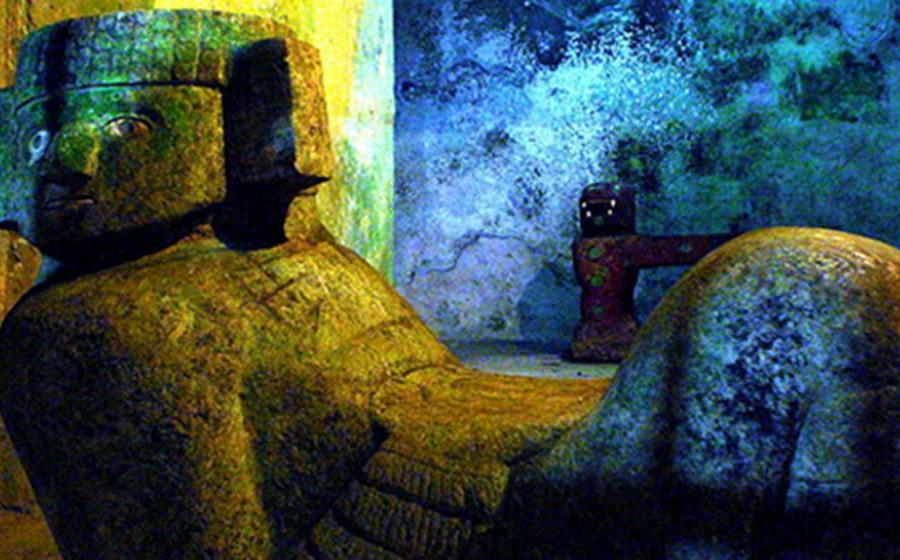
In 1526, the Spanish conquistador Francisco de Montejo arrived on the Yucatan Peninsula of Mexico and found most of the great Maya cities deeply eroded and unoccupied. Many generations removed from the master builders, engineers, and scientists who conceived and built the cities, the remaining Maya they encountered had degenerated into waring groups who practiced blood rituals and human sacrifice. The great city of Chichen Itza was reduced to piles of stones, with the vestiges of buildings, pyramids and other structures left in ruin. The Maya elders who I’ve spoken with report that Chichen Itza was a teaching university and that different cultures throughout the Americas had access to a variety of sciences, agricultural studies and the healing arts for