Sarah P Young

Profile picture for user Sarah P Young
Sarah P
Young

Sarah P Young is undertaking her masters in archaeology, specializing in early human behavior and in particular evidence of interaction between humans and Neanderthals. She hopes to continue her studies further and complete a doctorate.

Member for

7 years 11 months

View Recent Blogs

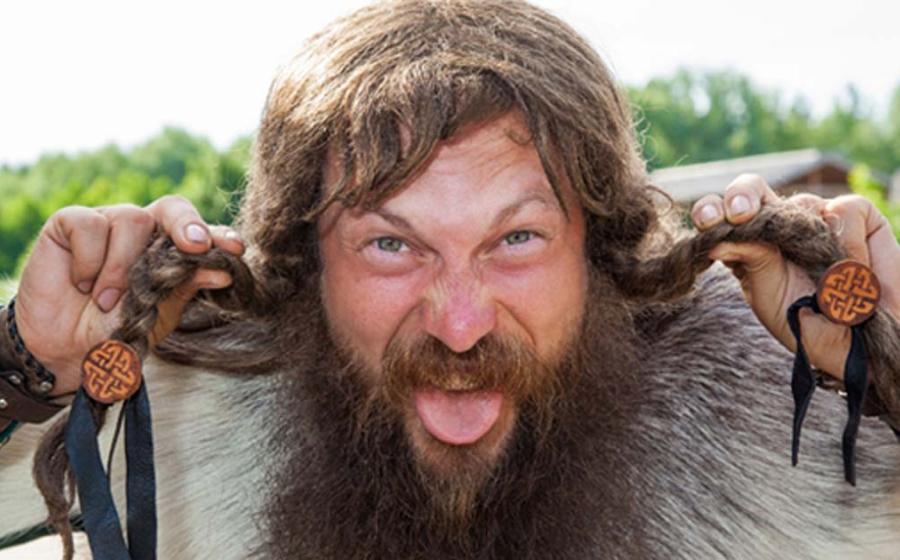
Before surnames became commonplace, a method was needed to differentiate between two or more people with the same name. Many surnames in the English language today are a result of this - John Smith, John Taylor, or John Farrier would all have been answers given to the question, “Which John?!” The three Johns may also have been known as John Williamson, Johnson, and Anderson respectively, depending on what their fathers were called. Today nearly everyone knows someone whose surname is rooted in one of these two traditions. But whilst you probably know a Mr. or Mrs. Smith, you probably don’t know a Mr. Butter-Penis. Aside from patronymic indicators (-sons and -sens), the Vikings were fond of giving one another nicknames
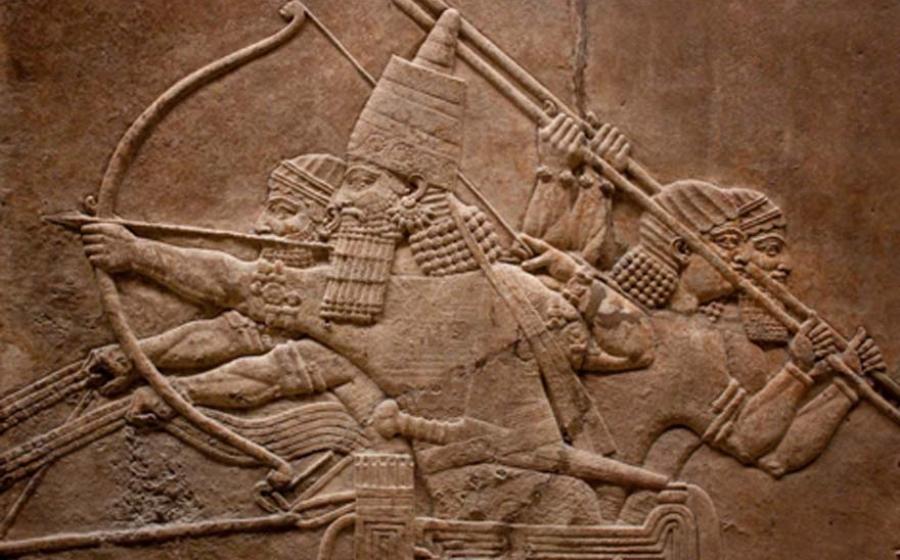
Ancient Mesopotamia was a vast region in Western Asia which has become known as the ‘cradle of civilization’ due to the huge number of feats the culture achieved. Agriculture, animal herding, and domestication had developed there by 8000 years ago. By 3000 BC they had created the world’s oldest known cities and invented the wheel. And along with their advanced solutions to the practical needs of a society, ran sophisticated traditions of occult rituals and witchcraft, which is clearly documented in the Maqlú tablets. Mesopotamian Ghostbusters: The Evil Acts of Assyrian Ghosts and How They Were Vanquished Secrets of Magic in Modern Paganism Revealed What is the Maqlú? A deep insight into the Mesopotamian civilization has been gained from the
Chastity belts are items that titillate and fascinate in equal measure, inspiring the image of a medieval knight locking up his loved one’s private parts to ensure her abstinence during his absence. While exceptionally unhygienic, the belief that a padlock could protect a woman’s virtue has been ridiculed on countless occasions. And while there are extant examples of so-called medieval chastity belts, modern scholars have revealed that the entire concept is pure myth! The surviving information and sources we have all describe the chastity belt in the same way – a metal device which locked around a woman’s genitalia to prevent any sexual activity. However, there are variations in style. Some belts are said to have had leather straps at
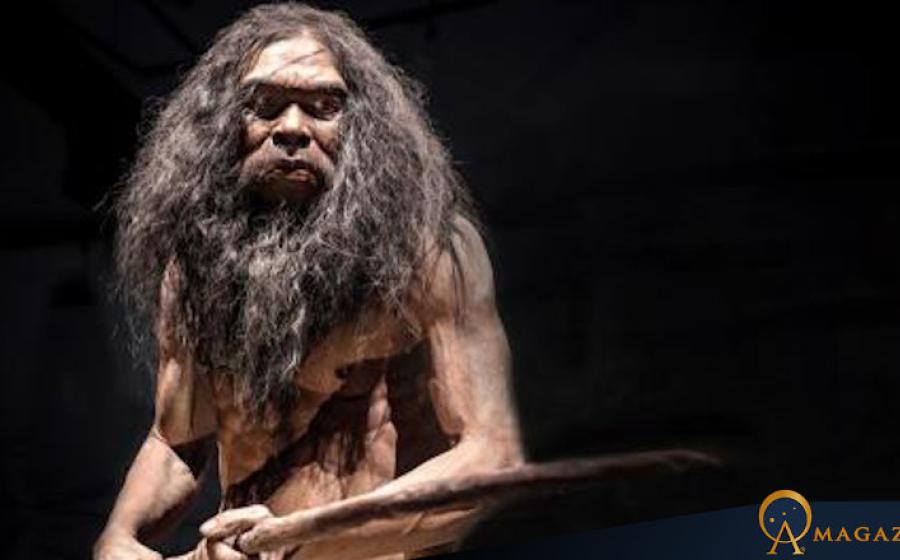
Modern humans, Homo sapiens, are now the only surviving member of the Homo genus. It is almost inconceivable to us that we walked alongside other human species, but as the science of archaeology has progressed and more findings have been made it has become clear that the Homo genus was once rife with different species. Since the publication of Darwin’s On the Origin of Species in 1859 there has been great interest in piecing together our family tree. Fossil hominids like Lucy the Australopithecus and Java Man have helped us to fill in some of the blanks, but as more and more remains of extinct human species have been discovered we are starting to understand that the history of our
In ancient times, Mesopotamia, meaning ‘land between two rivers’, was a vast region that lay between the Tigris and Euphrates river systems, and it is where civilization emerged over 7,000 years ago. The first inhabitants, the Sumerians, established an advanced system writing, spectacular arts and architecture, astronomy and mathematics. The Akkadians would follow the Sumerians, borrowing from their culture, producing a new language of their own, and creating the world’s first empire. Mesopotamia corresponds to what is now Iraq, Kuwait, Eastern Syria, Southeast Turkey, and parts of the Turkish-Syrian and Iran-Iraq borders. The region encompassed some of what is known by historians as the ‘ fertile crescent’. The conditions in the fertile crescent, which also includes the Levantine coast, the

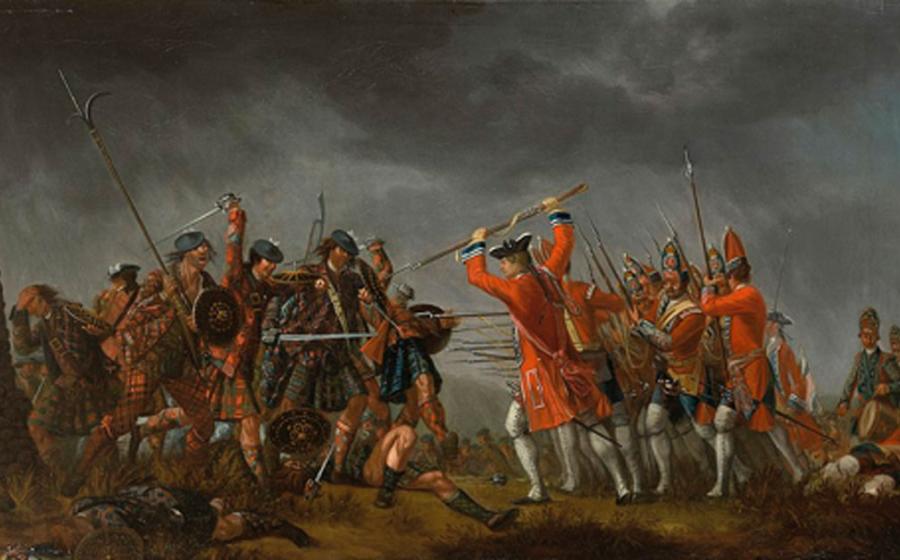
There have been countless significant battles throughout history. Some of them have become infamous – from the Battle of Passchendaele during WWI to the Battle of Hastings in 1066, but the majority fade from memory within a generation or two. The Battle of Culloden is one example which has been forgotten by many people today – and yet on just one fateful day in April of 1746 the course of European history was changed. However, it was the actions of Henry VIII which first set things in motion. In 1534 Henry infamously split the English church from Rome, forming the Church of England and plunging the country into years of religious upheaval. The line of succession after Henry served only
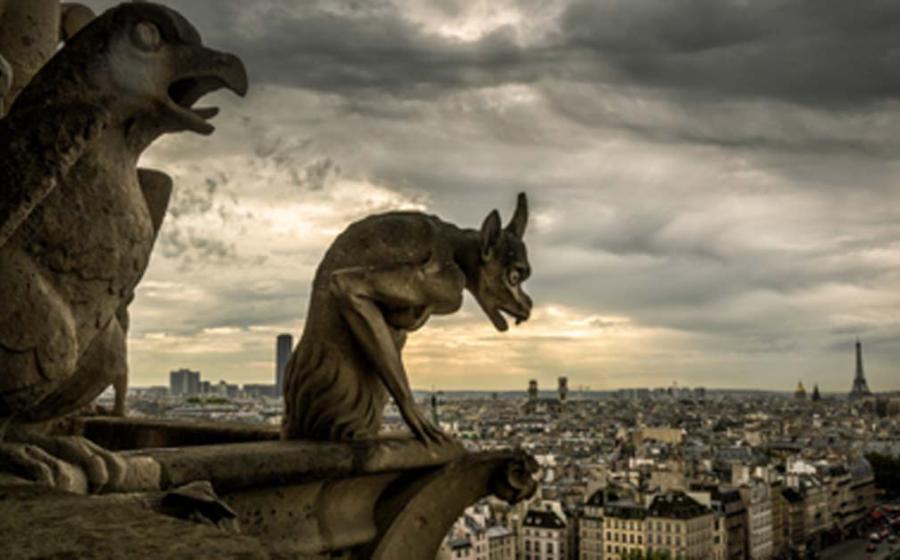
Gargoyles are an architectural feature that have existed for thousands of years. Initially designed to filter rainwater away from the edge of a building, they also have an arcane purpose – to ward off evil spirits. Gargoyles were first created to prevent structural damage to buildings by preventing rainwater from running down the side of a monument and eroding the mortar between the stonework. They are most commonly associated with the grand architecture of the Middle Ages, and they generally take the form of a grotesque figure spurting the water from a fearsome looking mouth. This grotesque appearance is why gargoyle like creatures on the sides of buildings with no structural purpose are known as ‘grotesques’. Their unusual and distinctive
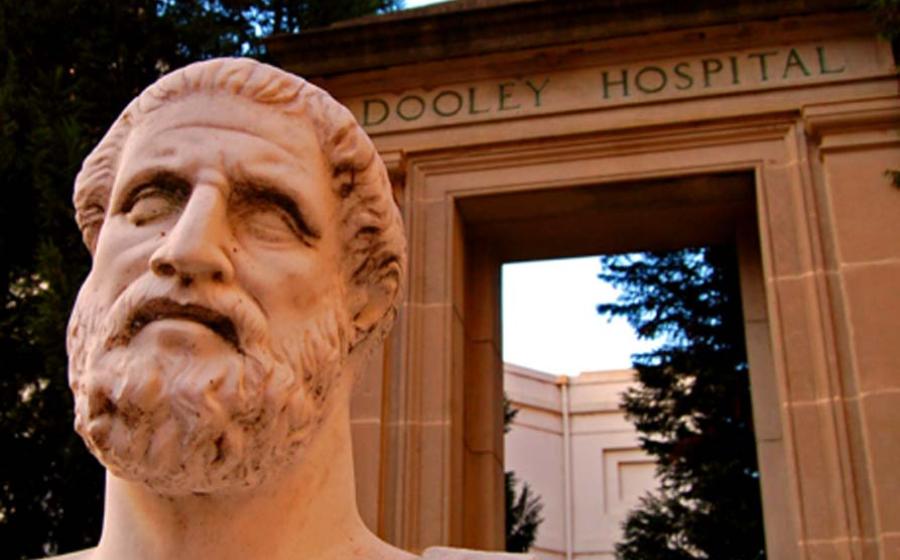
Classical Greece is considered by many to be the birthplace of modern Western civilization. The ancient Greeks made astounding progress in a huge number of areas - from politics and governing to religious practice and philosophical thought. The impact the Hellenic culture had is still felt throughout the world today. Archimedes, Pythagoras, Plato, Aristotle, Socrates, Homer – the list of figures from ancient Greece who have left their mark on the world today is astounding and the innovations and principles they pioneered surround us in our day-to-day lives. One ancient Greek whose influence is still felt the world over is Hippocrates – a physician who is widely known as the father of modern or clinical medicine. Medicine and healthcare had
Man-like beasts appear in myths and legends of cultures around the globe. The best known ‘wild man’ phenomena of today is the Sasquatch or Big Foot of North America, but there are other legends such as the Yeti (Abominable Snowman), said to live in the wilds of the Himalayan mountains. There are many lesser known wild humanoid cryptids; the Orang Pendek, which is said to said to live in the remote forests on the island of Sumatra in western Indonesia, Almas in Mongolian folklore, the Bukit Timah Monkey Man, or the Yeh Ren Man-Monkey which is a legendary Chinese relative of Big Foot. The legend of Big Foot and other wild men seems like a modern concept. The controversial and
Agathocles of Syracuse came from fairly humble beginnings but his focus and ambition brought him to the tyrannical rule of the city where he grew up. But his tyranny was not merciless and uncalculated, and this particular style, which Machiavelli later drew upon in his writing of The Prince, gained him fame, riches and even his own kingdom of Sicily. Although his quest to secure a Sicilian-Italian empire was a failure, he did succeed in being a menace to Carthage and revealing their vulnerability. In the Time of Tyrants and Kings The word ‘tyrant’ today has become associated with cruel and merciless despots, but its original meaning was slightly different. The term originated in ancient Greece, and etymologically ‘tyrant’ was