


May
25
/ 2026
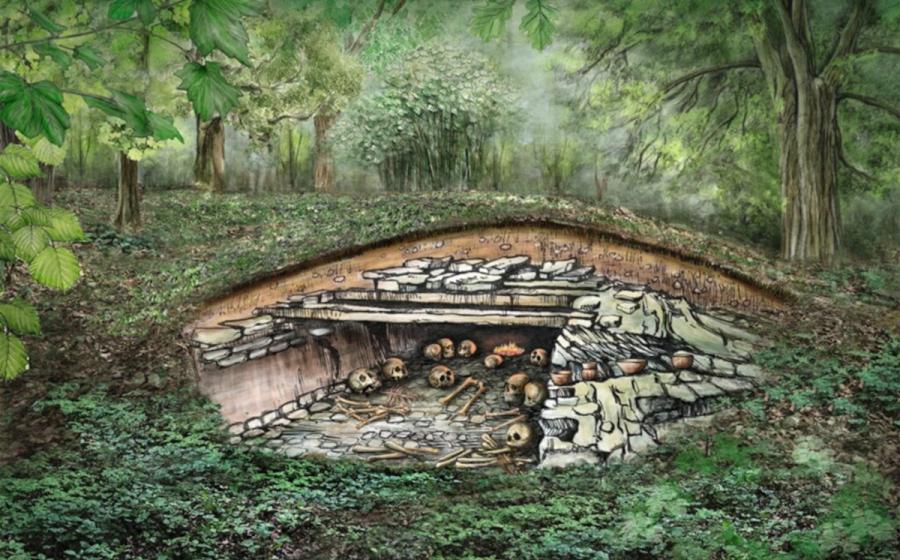
The concept of the modern "blended" or "patchwork" family - where children from previous relationships grow up as siblings, or couples adopt and foster children - is often considered a product of contemporary social flexibility. However, groundbreaking ancient DNA analysis has revealed that these complex social structures were actually widespread in Central Europe more than 5,000 years ago. An international team of archaeologists and geneticists has demonstrated that prehistoric farming communities prioritized social bonds over biological ties when burying their dead, challenging long-held assumptions about prehistoric family dynamics. The turning point of the Neolithic period saw early European communities settle down, practice agriculture, and construct monumental stone chambers known as megaliths. Published in the journal Science, this comprehensive genomic study

















