
June
26
/ 2026
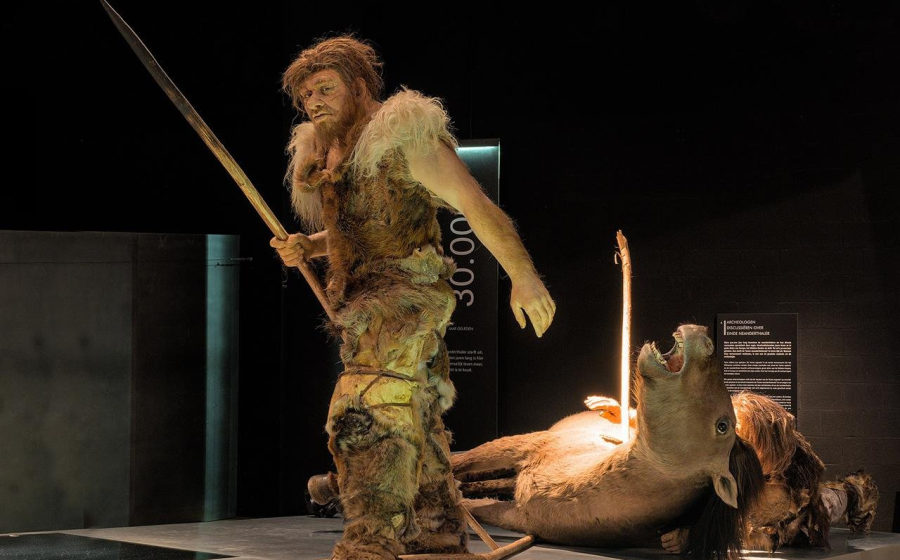
For generations, the last Neanderthals were portrayed as shaggy, half-human, half-animal beings huddled around a fire in isolated caves. As final members of a dying species, they were destined for extinction as modern humans spread across Europe about 45,000 years ago. New research into Neanderthal behaviors points to a major population shift thousands of years before the species disappeared. Research teams from the Senckenberg Center for Human Evolution and Paleoenvironment at the University of Tübingen recently published Archaeogenetic Insights into the Demographic History of Late Neanderthals, a study showing that late European Neanderthals descended from a single maternal lineage. As a result, archaeologists believe that the lack of genetic diversity reduced the biological variation needed for long-term adaptation, reproduction, and