
October
20
/ 2026
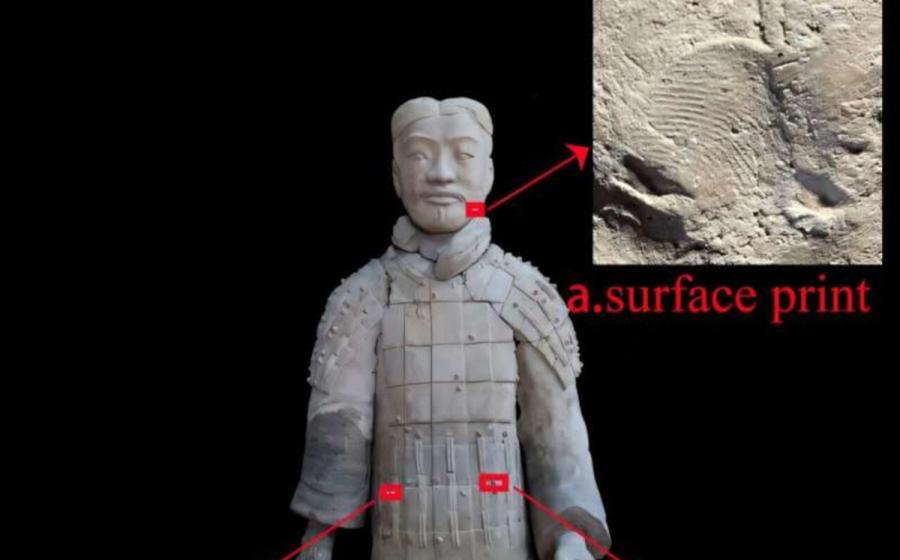
A new study has found that the people who made China’s Terracotta Army may have included women and children, not only adult men. Researchers reached that conclusion after examining tiny fingerprints pressed into the wet clay of 36 warriors. The finding adds a human dimension to one of archaeology’s most imposing monuments and challenges a long-standing assumption about Qin imperial labor. Fingerprints in Wet Clay The research, published in the Journal of Cultural Heritage, examined 79 usable fingerprints from Unit T23 in Pit 1. The study was led by Xiaoxi Li of the Emperor Qinshihuang’s Mausoleum Site Museum, while a Phys.org report explains how the marks were measured on heads, arms, armor and other parts of the figures. Rather than