Mark Brophy

Profile picture for user Mark Brophy
Mark
Brophy

Mark has a history degree from the National University of Ireland in Maynooth. He grew up surrounded by medieval ruins of the Irish midlands where he developed a passion for history, folklore and mythology. He has a particular interest in ancient history and medieval Ireland. At some point in the future, he hopes to continue his history studies. In his free time, he enjoys reading and writing and where possible he likes to combine these with his passion for history.

Member for

4 years 4 months

View Recent Blogs

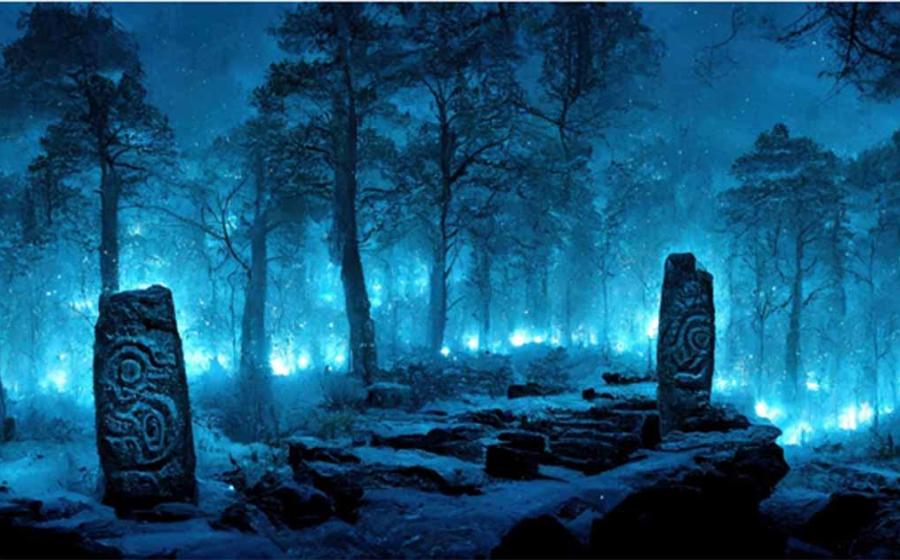
Norse civilization has provided an enormous amount of culture to the world, from its rich history to its vast mythology. One captivating aspect of Norse culture is often overlooked: runes. Most people know them when they see them, but give no thought to the history or meaning behind them. They’re much more interesting than you may realize. [[{"type":"media","view_mode":"media_large","fid":"102143","attributes":{"alt":"Godguest was here: The inscription on the Einang stone (350–400 AD) is the earliest use of the term ‘rune’. It translates as ‘I, Godguest wrote this runic inscription.’ (Lars Gustavsen / CC BY SA 4.0)","class":"media-image","style":"width: 610px; height: 135px;","typeof":"foaf:Image"}}]] Godguest was here: The inscription on the Einang stone (350–400 AD) is the earliest use of the term ‘rune’. It translates as ‘I, Godguest wrote
Ireland is home to many iconic historical artifacts and objects, from the Book of Kells to the Tara Brooch. Many of these items are beautifully designed but shrouded in mystery. Others have a long and rich story behind them. There are few better examples of such an artifact than St. Patrick’s Bell and Shrine. Said to belong to St. Patrick himself, the bell and shrine have an unusually well-documented and fascinating history that stretches back some 1,400 years. How Patrick became a Saint The bell belonged to St. Patrick, the patron saint of Ireland. Despite his close links to the Emerald Isle, St. Patrick was actually born in Roman Britain around 385 AD. Little is known about Patrick’s early life
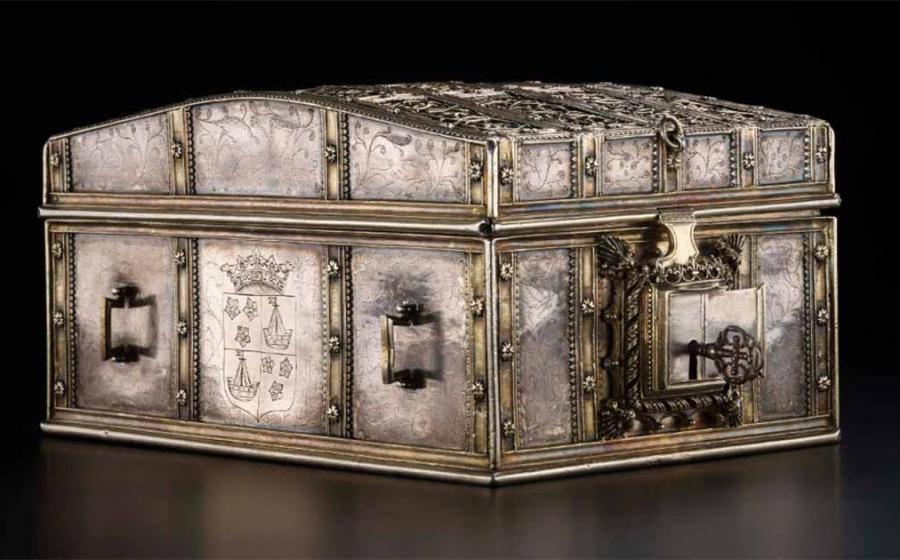
Mary I of Scotland, or Mary, Queen of Scots is one of the most iconic monarchs in British history. She had an incredible impact on both Scottish and English history, and her life was one of tragedy, romance, and drama. But did you know she is also partly responsible for one of the finest examples of a French silver casket we have today? Known as the Mary, Queen of Scots Casket, it is one of the few lasting caskets of its era, with no other examples being of such high quality. It was also a key artifact in the intrigue that led to her downfall. The Origins of the Casket The Mary, Queen of Scots Casket was made in Paris
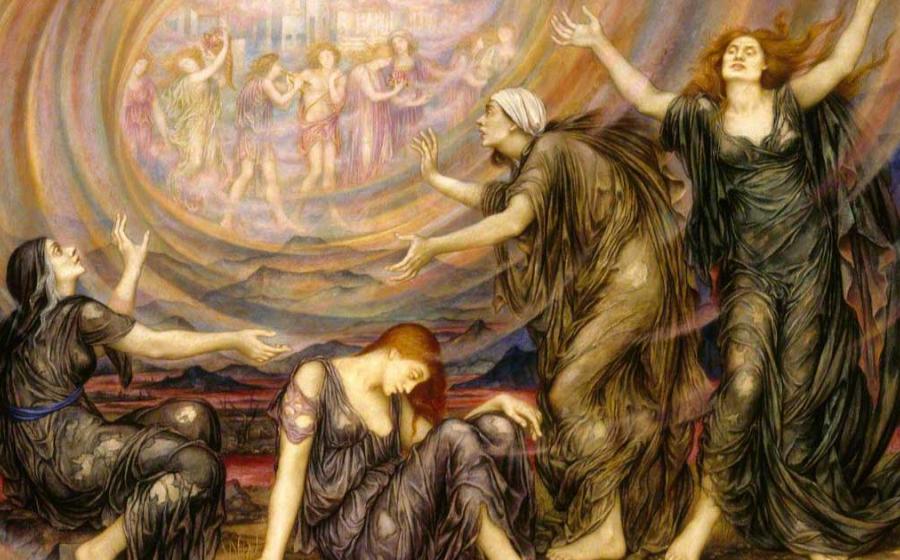
Funerals can be difficult to get through. The pain of loss can simply be too much for many. So why would anyone ever need to pay people to cry at their funeral? This didn’t just happen occasionally in the ancient world. It was extremely common for wealthy people of the time to hire women to mourn at their funerals. Whether it was Rome, Greece, China, Egypt, or the Middle East, there are documented cases of professional mourners from all over the globe - and the reasons for it are fascinating. Professional Mourning in Rome and Egypt While there are examples of professional mourners from all over the globe, the best-documented case of professional mourning undoubtedly comes from Rome. Like most
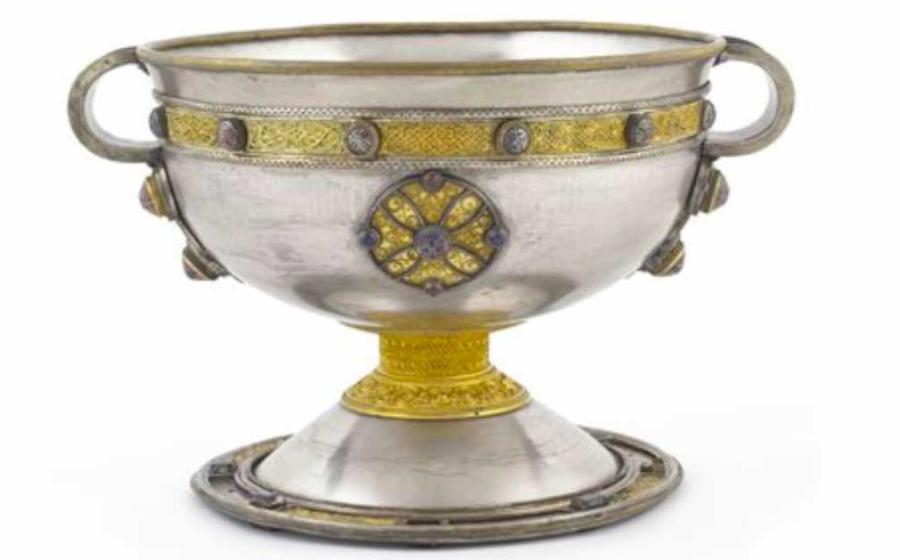
Ireland has a long history and a beautiful culture that has brought many stunning pieces of artwork to the world. Often these beautiful works come from historical artifacts, such as the Book of Kells or the Tara Brooch. Sometimes they are shrouded in mystery, while other times they have a long and storied history. But one thing that cannot be denied is the beauty and intricacy of the artwork that has been masterfully incorporated into many of Ireland’s most treasured artifacts. One great example of this is the Ardagh Chalice, a beautifully preserved chalice dating back to the 8th century that was found just 150 years ago. How the Ardagh Chalice was found The Ardagh Chalice was found in the
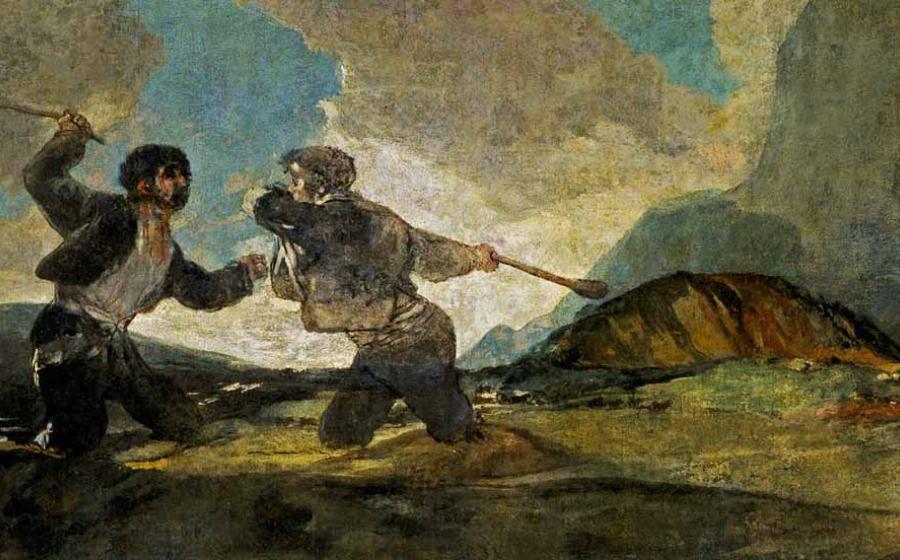
Many countries have martial arts that are closely associated with their national identity. Kung-fu and China, Tae Kwon Do and Korea, and Muay Thai and Thailand. Few people would ever associate Ireland with any kind of martial art, but Ireland is actually home to a 500-year-old martial art that is being revived today. It goes by the name bataireacht, meaning ‘stick fighting,’ and it has a fascinating history. The Origins of Bataireacht Bataireacht has its origins in the 16th century, although it wasn’t until the 18th century that it really boomed in popularity. Bataireacht is a blend of fencing, boxing, and grappling in which fighters punch, jostle, and strike each other with sticks. A large reason for the rise in
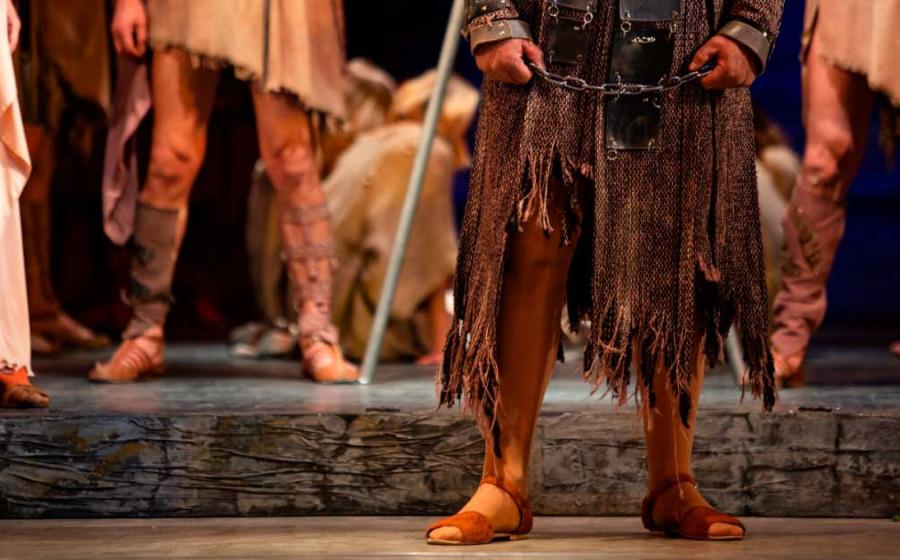
Today, slavery is seen as one of the worst atrocities mankind has ever committed, but once slavery was seen as just another part of everyday life. The Hellenistic world of ancient Greece was no stranger to slavery. In fact, the number of slaves that lived during the period of Greek dominance was one of the highest in history. It was one of the primary features of life during this time. And, one of the first recorded examples of an escaped slave comes from Greek-ruled Egypt or the Ptolemaic period that lasted from 305 to 30 BC. Slavery in Ptolemaic Egypt and Escaped Slave Dreams The earliest record of a runaway slave comes from Ptolemaic Egypt in the second century BC
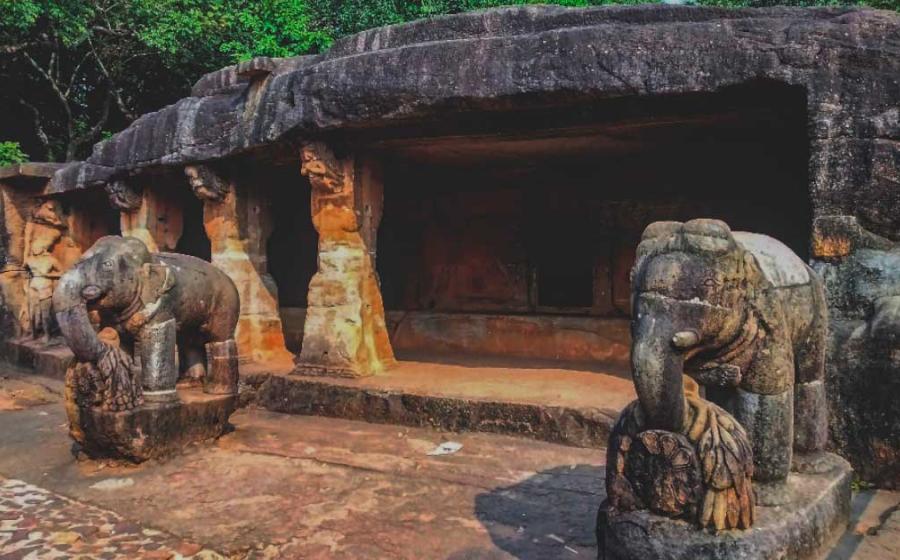
There is an incredible archaeological site just outside the city of Bhubaneswar in Odisha, India that attracts thousands of tourists each year. The Udayagiri caves are part natural, part man-made caves that serve as a temple. Nestled in the hills just outside the city, the temples are lavishly decorated with ornate carvings. They date back to the 1st century BC, but even the intricate sculptures have been preserved incredibly well. The caves are situated on two adjacent hills: Udayagiri and Khandagiri. They were turned into temples during the reign of King Kharavela of the Mahameghavahana dynasty, which ruled the ancient kingdom of Kalinga from the 2nd century BC to the 5th century AD. There are thirty two caves in total
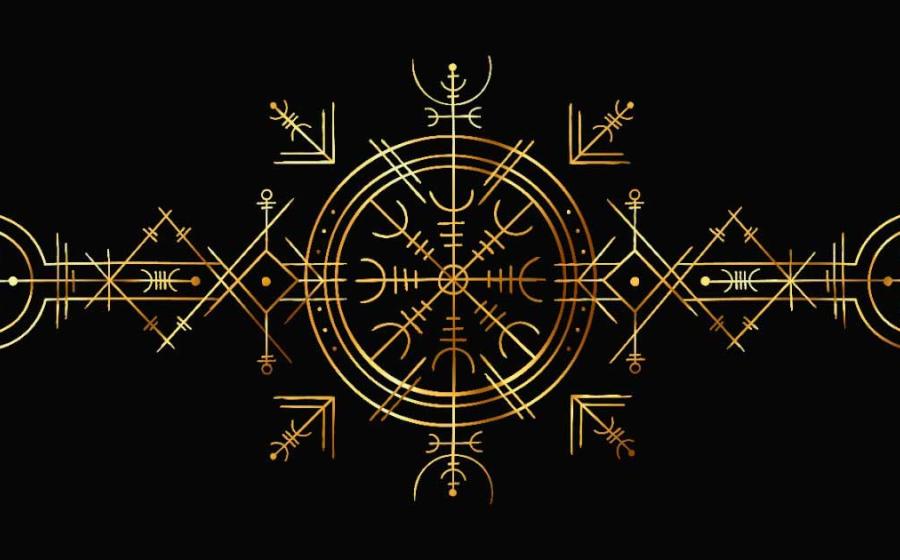
Although the name Vegvisir may not be familiar to you, you may have seen its symbolic representation before. This emblem has gained iconic status largely due to its frequent use in the media. Additionally, it has become popular among neo-pagans, who often wear it as a pendant or get it tattooed on their bodies. Nowadays, Vegvisir is widely acknowledged as an ancient Germanic and Viking runic symbol that functioned as a compass for Viking warriors during their seafaring journeys, offering them divine guidance and protection. Vegvisir in Christian Mysticism According to researcher Tomáš Vlasatý, in his article ‘ Origins of the “vegvísir” symbol,’ Vegvisir, as well as many other symbols found in Icelandic grimoires, were probably imported to Iceland from
Nestled in the mountains of Wakayama prefecture a couple of hours southeast of Osaka, Japan by car lies a world-famous cemetery that is home to the graves of over 200,000 Buddhist monks who are said to be waiting for the resurrection of the Future Buddha. Nearly 1.24 miles (2 kilometers) long, Okunoin cemetery is the biggest in Japan. It has been in existence since 816 AD and every inch of it is sacred. During the day Okunoin cemetery appears relatively normal. At night, however, Okunoin is said to be a very mysterious and sometimes creepy personal experience. Here’s why. Shingon Buddhist monks in their saffron colored robes strolling through Koyasan's Okunoin cemetery in the daytime. ( caroline75005 / Adobe Stock)