Ron Ryan

Profile picture for user Ron Ryan
Ron
Ryan

Ronald Lloyd Ryan grew up in a tiny remote and isolated fishing village on the north east coast of Newfoundland Island, lost in the wilderness of forest, ocean and mountains, with transportation and communication by the ocean in summer, and dog team through the forest in winter. He attended university in Canada and the United States and earned degrees in science (mathematics), education, administration, theology and psychology, including two doctorates. He devoted his early career to teaching, school administration and counselling but the pulpit was always a calling and avocation. He is an ordained Unitarian minister-priest and operates in that capacity as a volunteer community priest. Ten years ago, he decided to put his training in science to work as he began to explore the meaning of historical and archaeological artifacts from Newfoundland Island that seemed to have no context. The most exciting discovery is an intact church, a basilica, that may be as much as 1400 years old, the oldest church, by far, in the western hemisphere. Supported by several loyal and active associates, he has made astonishing discoveries that will force the re-writing of world history.
Member for

6 years 2 months

View Recent Blogs

In relatively shallow ocean waters on the north east coast of Newfoundland Island there are the remains of several ships with the most unusual characteristics. It has been determined that these ships may be the oldest intact ships in the world. We constantly hear of discoveries of the remains of ancient ships and, maybe, because of that, assume that there must be oodles of ancient ships preserved the world over. Such is not the case. In fact, the number of ships in the 200 – 400-year-old range, in any near-complete state of preservation, can be counted on one’s digits. The Oldest Known Real Ancient Ships The oldest known real ancient ships are the Mary Rose (1509), a British warship that
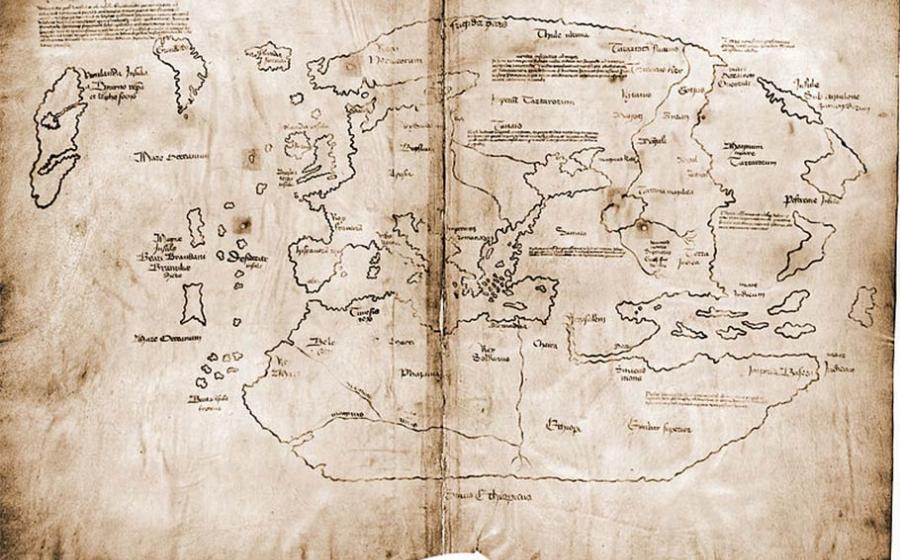
The Vinland Map carries with it the air of mystery and, some would say, the stench of deception. In the vaults of Yale University, and insured for $25 Million, it is either a colossal fraud or an artifact of unparalleled value. The map appeared on the scene in 1957 when a couple of shady characters tried to sell it to the British Museum. Experts determined that the ink used was not typical iron gall ink, the map was declared a fake, and the museum declined the offer. If authentic, the map is considered priceless, as it would be the first map that has unique information about North America. The major problem associated with the map is that there is no
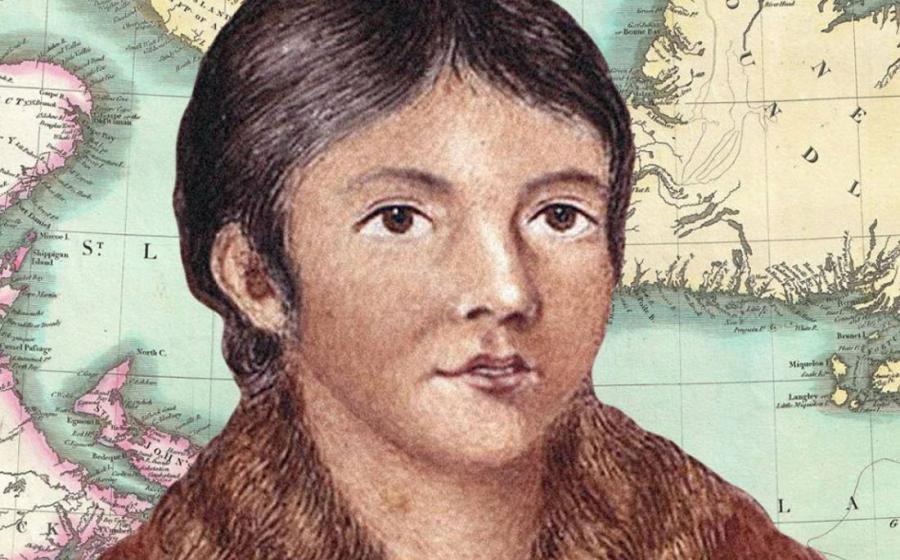
Two mysteries - one Oriental, one Western - have attracted considerable attention recently both in academic and popular spheres: the disappearance of the Seventh Chinese Treasure Fleet and the disappearance of the people of Greenland. Until now, people have not considered that the two stories might be somehow connected. Indeed, although very much in retrospect, there were numerous pieces of evidence readily available that pointed to the two narratives possibly being associated, even if the key element were missing. However unlikely and counter-intuitive, it appears that key is in the much-disputed continuing existence of the Beothuck People of Newfoundland Island - without them neither of the mysteries would have been resolved. Origins of the Beothuck People The journey of discovery