Meagan Dickerson

Profile picture for user Meagan Dickerson
Meagan
Dickerson

Meagan is a postgraduate history student, having completed her undergraduate degree in her home country of Australia, majoring in Modern History and Literature, during the course of which she won several awards including the Australian Federation of Graduate Women NSW North Shore Prize for History. She then moved to Ireland, where she completed a Masters of Philosophy degree in Medieval Studies at Trinity College, Dublin, graduating with distinction.

Member for

5 years 7 months

View Recent Blogs

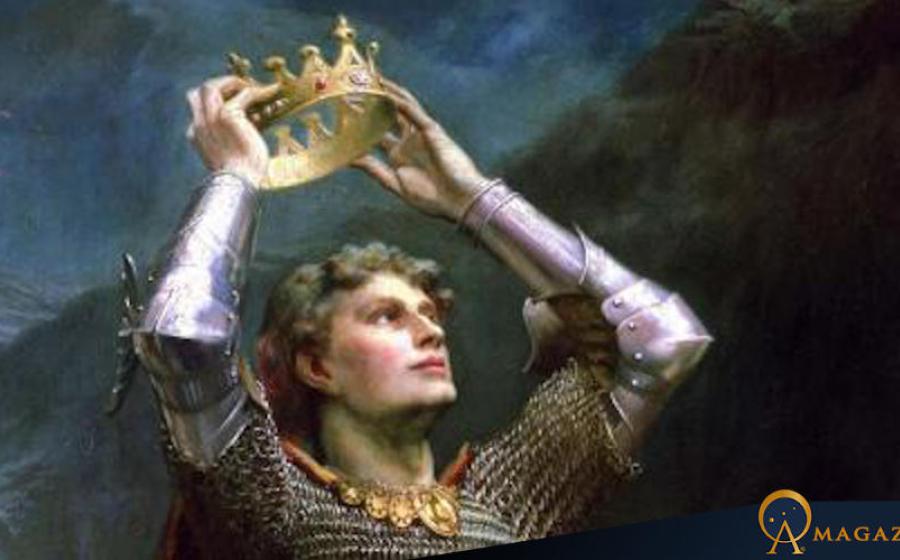
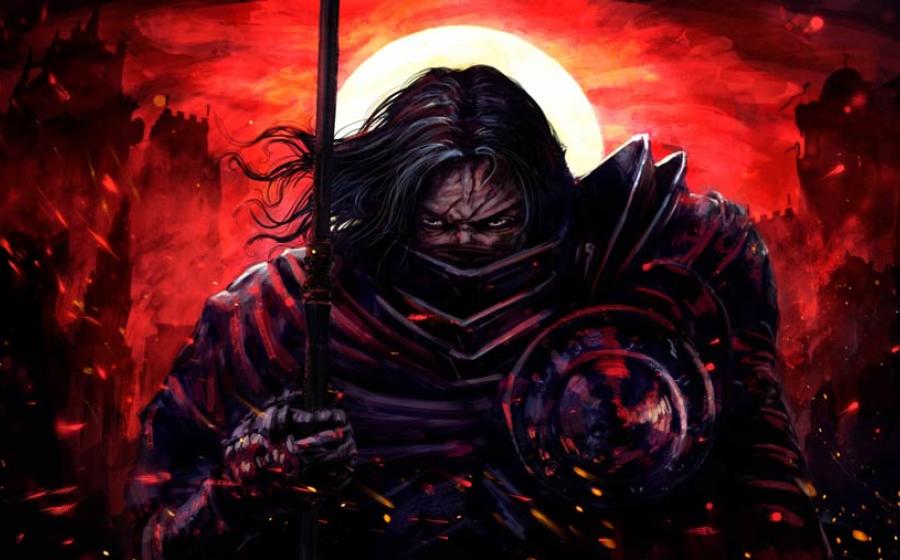
King Arthur is undoubtedly one of the most enduringly popular heroes to come out of the medieval era, and he has meant many things to many people for hundreds of years. Over time, the mythology of Arthur grew as new stories were added to the existing ones and his fame spread throughout Britain and beyond. As a result of his popularity through the ages, King Arthur has come to represent various political causes as a symbolic figurehead, earning him a reputation as a champion of causes. From medieval Welsh rebels to 20th century anti-Nazi campaigners, people have rallied behind Arthur’s war banner since before the idea of “Britain” was even created. But was Arthur more than just a hero to
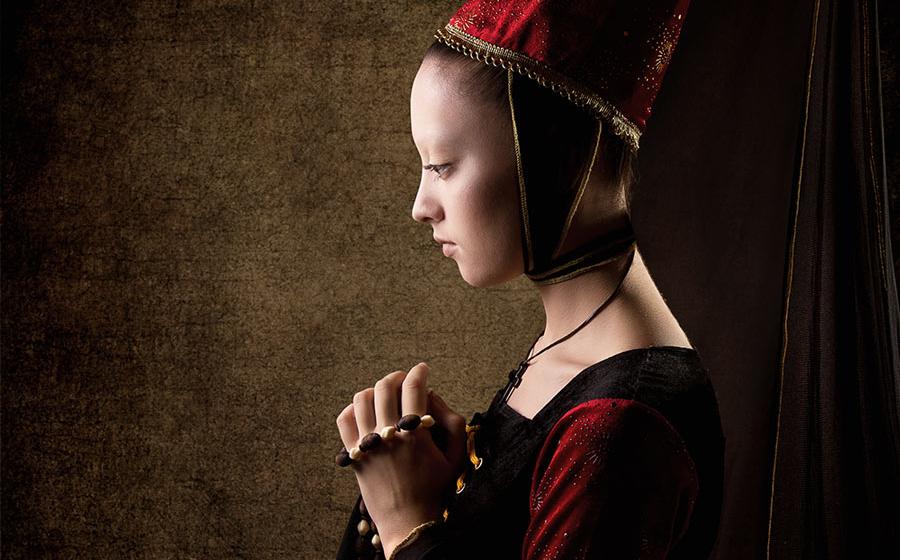
Ermine de Reims was a relatively inconsequential peasant woman who moved to the town of Reims, in northeastern France, from rural Vermandois with her elderly husband in 1384. She was a pious woman, described by her confessor Jean le Graveur as “a simple little woman full of good will” who became somewhat of a mystic after her husband’s death when she came to live at the Augustinian priory with the community of monks to which her confessor belonged. It was at this time that Ermine’s life took a strange turn and she began to experience nightly visions of both angelic and demonic visitors, which were diligently recorded by le Graveur in all their gruesome and fantastical details. The strange case
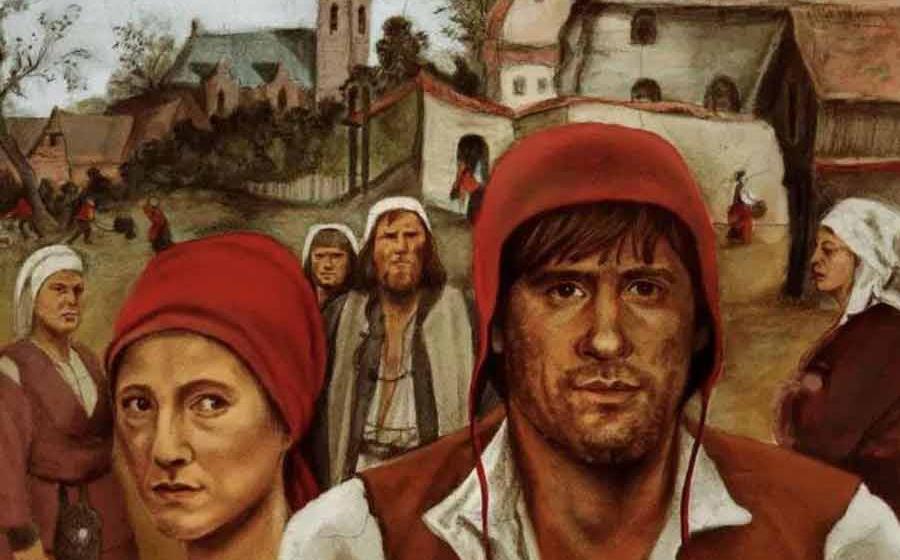
On the 16th of September 1560, in the small rural French town of Artigat, a man named Arnaud du Tilh was put to death by hanging for a most unusual crime: for over three years, he had assumed an identity that was not his own, living as Martin Guerre, a native of Artigat who had been missing for eight years. Arnaud stepped into the village and into Martin’s life, welcomed with open arms by the Guerre family and by Martin’s wife, Bertrande, who took Arnaud as her long-lost husband and lived with him as a married couple, even giving birth to two of his children of whom one survived. This story may seem like the eccentric plot to a Hollywood
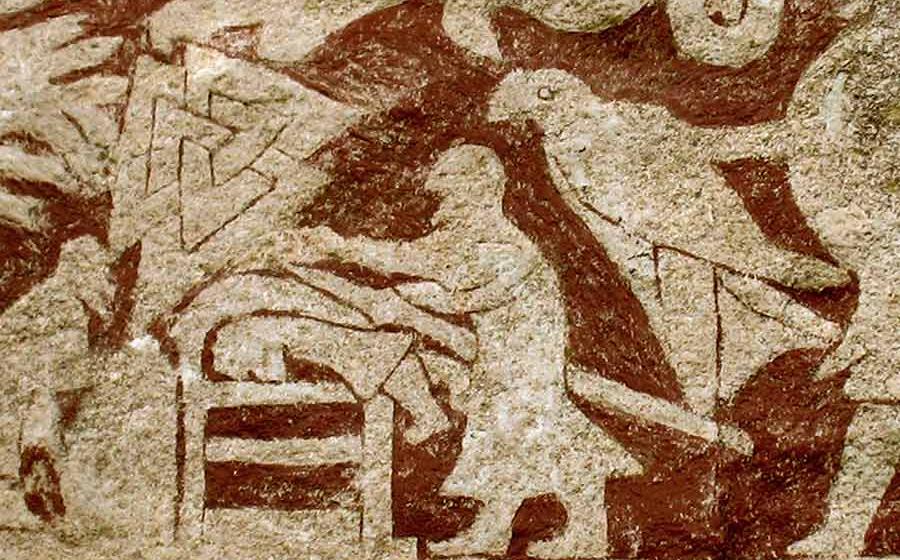
Thanks to recent attention in popular culture, the story of King Aelle’s violent death at the hands of Ivar the Boneless in a type of ritual killing known as the “blood eagle” is well-known. The Vikings have long held a reputation for barbarity and bloodthirstiness, and not without good reason. Ritual killings such as the blood eagle are known to have been relatively common occurrences across Viking-era Scandinavia and the brutality of Viking raiders throughout Europe has been well-documented. It is natural to assume, given the level of violence portrayed in both the historical record and popular culture, that the Vikings continued to practice ritual sacrifice after their invasion and settlement of Britain in the 9th and 10th centuries. However
The character of Merlin has been a recurring figure in Western popular culture ever since the Middle Ages. In his many iterations, Merlin is most often associated with the legendary King Arthur thanks to Geoffrey of Monmouth’s History of the Kings of Britain, published in 1135, which was the spark that caused the explosion in popularity for both of these characters. However, in a lesser known text by the same author, the Vita Merlini , Geoffrey reveals the many other faces of the powerful magician. Over the centuries, Merlin has come to be known as a sorcerer who pulled the strings of fate and masterminded the course of history. He is those things and more in Geoffrey’s History, but his
Every culture and society on Earth, both past and present, has their own ideas of what makes a person honorable or worthy. This is particularly true when it comes to warriors and their actions both on and off the battlefield, and concepts of Anglo-Saxon honor are no different. Codes of honor that dictate how warriors are to conduct themselves have existed for centuries, and some have been carried into modernity and popularized: the chivalric code of medieval knights, or Bushido of the Japanese samurai are perhaps the most well-known. Before the chivalry of the Norman knights came to England however, a much older system of honor and loyalty had been in place for centuries, brought over by Germanic settlers from
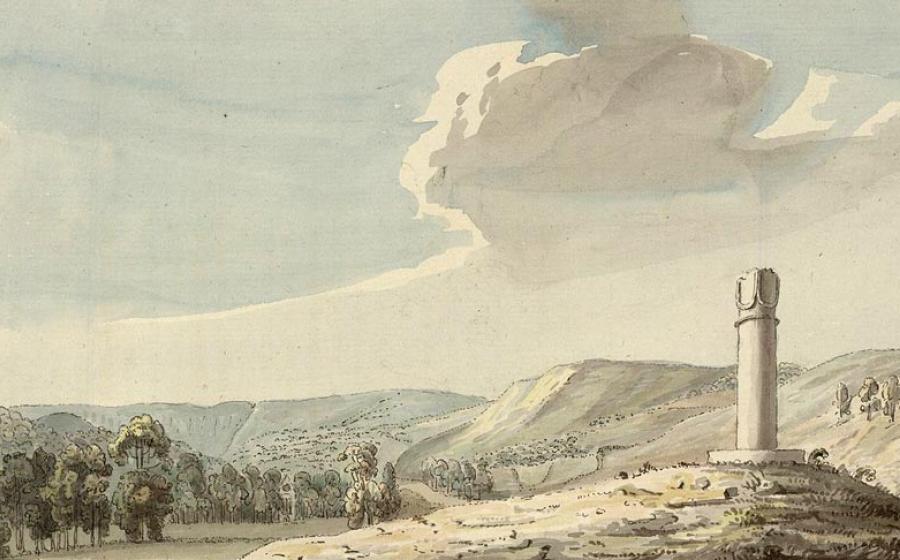
There are very few texts that survive from early medieval Wales, an era spanning the moment when the Romans left Wales until the Normans arrived. This is one of the reasons that historians have generally assumed that the peoples of early medieval Wales were uncivilized barbarians. In the absence of Roman literary culture, some thought Welsh society devolved back to a pre-literate state, believing that literature and learning left its shores with the Romans. There are however clues to the fact that this was not the case. The inscriptions on commemorative standing stones are important pieces of evidence for what Welsh society was like during this era. There are over 50 commemorative stones that survive from the 5th to the
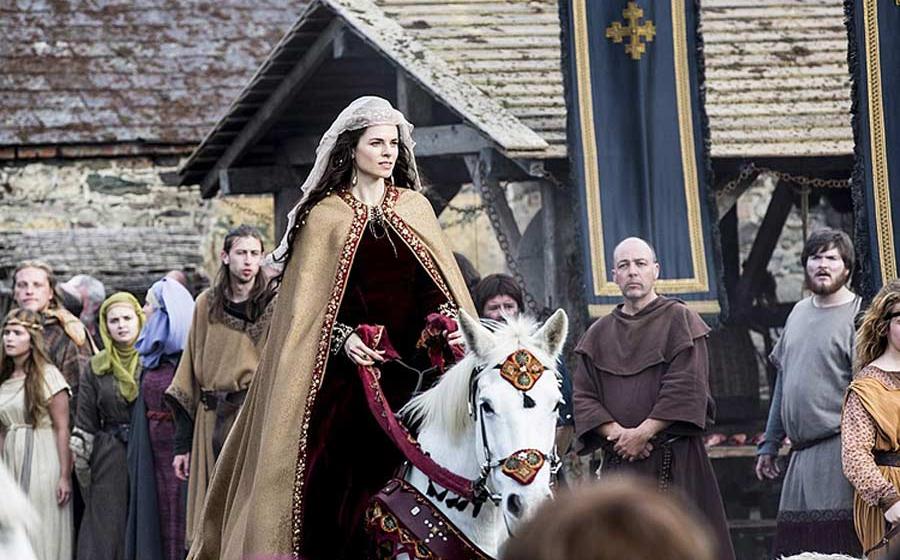
The Anglo-Saxon kingdom of Mercia was unique because the queens of Mercia left enough of an impact on their world as to be worthy of remembrance. History has not been so kind, however, to some of Mercia’s most notorious queens. The most notable being Queen Cynethryth, wife of King Offa, who was the source from which female power in the kingdom of Mercia stemmed. Queen Cynethryth has been remembered as a scheming, conniving murderess with a thirst for power to rival her husband’s, and in one legend her machinations are even said to have led to her being cast adrift at sea for unspecified crimes. But was this the whole story? As we know, history is most often written by
In his seminal work entitled Anglo-Saxon England published in 1943, Sir Frank Stenton states that “the overthrow of Penda meant the end of militant heathenism and the development of civilization in England.” Historians of the 20th century were mostly content to dismiss Penda’s reign as unimportant, or to give him no more than a cursory mention as a pagan warlord who was a scourge on the Christian kings of 7th-century England. In recent years however, historians have taken a second look at Penda of Mercia and questioned the long-standing negative view of his reign. It was Penda’s 30-year rule of the kingdom of Mercia that set the foundation for the success of later Christian kings such as Wulfhere, Æthelred and
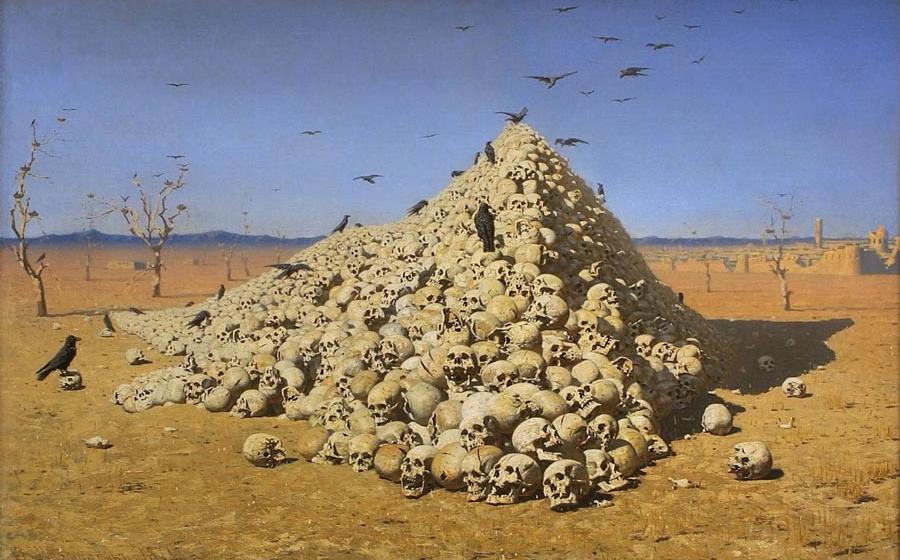
When pondering themes of war and peace, there is a general perception among modern people of the Western world that the time we live in is decidedly more civilized and peaceful than any other era of human history. Most believe that modernity is characterized by the continued decline of violence in all its forms, with a decrease in public displays of brutality and an increase in inter-personal civility. We collectively gasp in horror at the sight of medieval torture devices like the rack, or at the idea that crowds of people might go to see a heretic burned at the stake in the town square and consider it a form of entertainment. Even in the Early Modern period, with its