
September
22
/ 2026
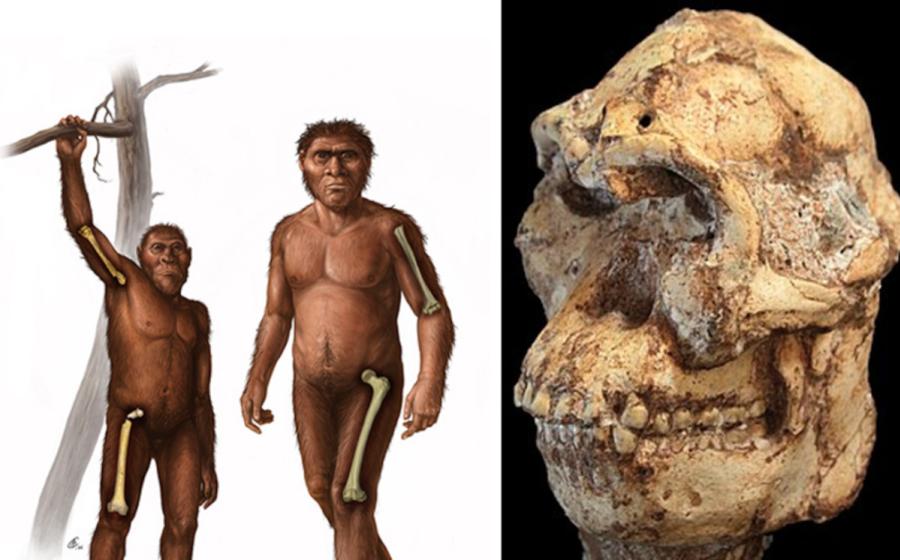
The result adds a new line of evidence to a long-running question in human evolution: not simply when our ancestors first walked on two legs, but when climbing stopped being a central part of their everyday lives. It also places a major change in locomotion close to the period when body size, brain size and ranging behavior were all expanding. The finding adds a new line of evidence regarding one of the long-lasting human evolution questions concerning not only the appearance of bipedalism but also a more comprehensive understanding of the absence of climbing in everyday life of our human ancestors. Bone strength preserves a record of movement According to the study published in Science Advances, the researchers used computed