
October
26
/ 2026
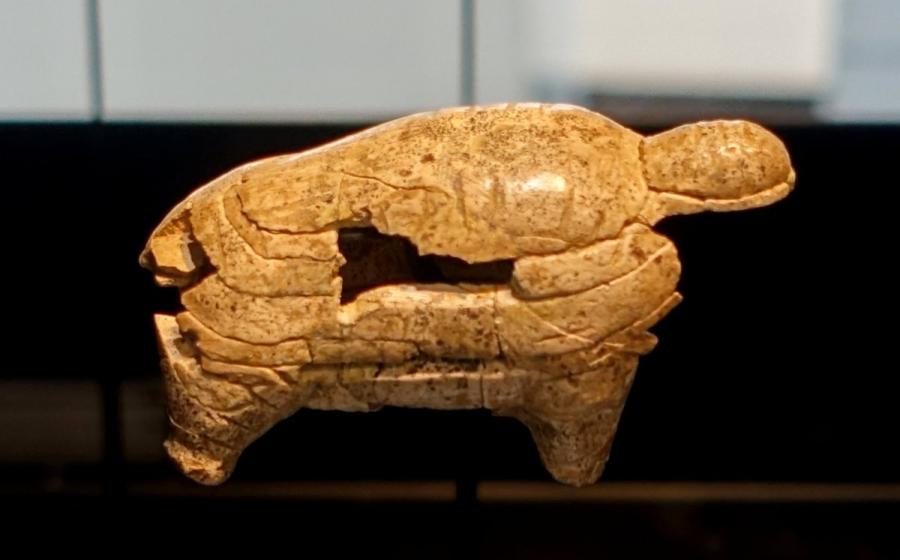
Mammoth Bones Resurface After 99 Years For the first time in almost a century, archaeologists at Breitenbach in eastern Germany have opened dense piles of mammoth bone lying alongside flint tools, tusk fragments and worked ivory. The camp belongs to the Aurignacian, the culture of an early phase of modern human settlement in Europe, and is usually dated to about 32,000 to 34,000 years ago. According to the official release from Saxony-Anhalt's State Office for Heritage Management and Archaeology, issued on October 20, 2026, this year's dig produced the first large bone concentrations at the site since 1927. Cut marks on some bones now suggest that the meat was eaten. The new bone deposits themselves are Established. Writing for Archaeology