
October
20
/ 2026
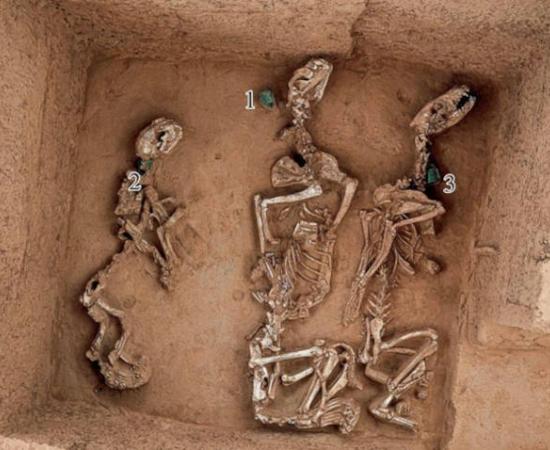
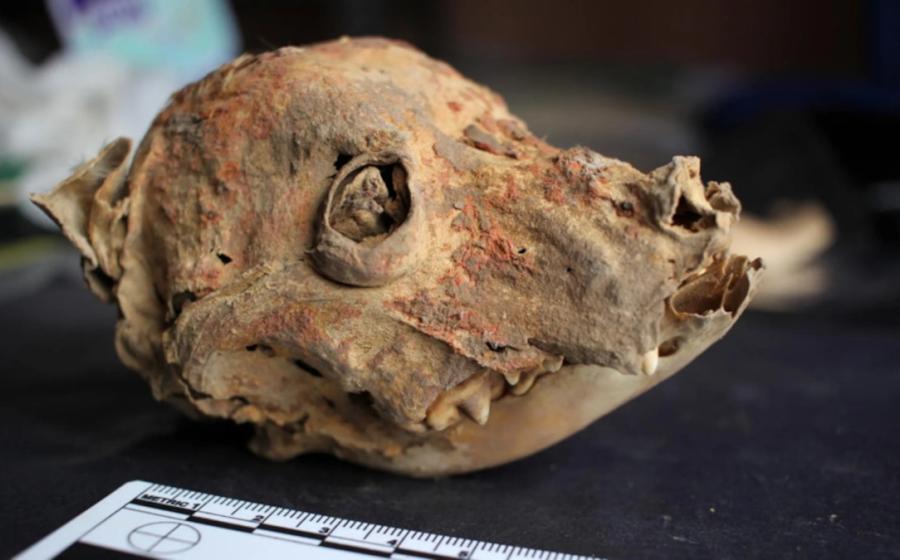
A naturally mummified dog found at Castillo de Huarmey has provided the earliest radiocarbon date yet recovered from the Peruvian site - and fresh evidence that Peruvian hairless dogs were already part of Wari life more than a millennium ago. The discovery includes dog mummies, skulls and puppies found near human burials. Together, the remains suggest that ancient people did not have one simple relationship with dogs: some were cared for, some may have scavenged, and others were placed beside the dead. The findings come from a study in the Journal of Anthropological Archaeology, which combines zooarchaeology with chemical analysis of teeth and bones. Researchers identified at least three probable Peruvian hairless dogs among 341 dog-bone specimens representing a minimum