
March
17
/ 2024
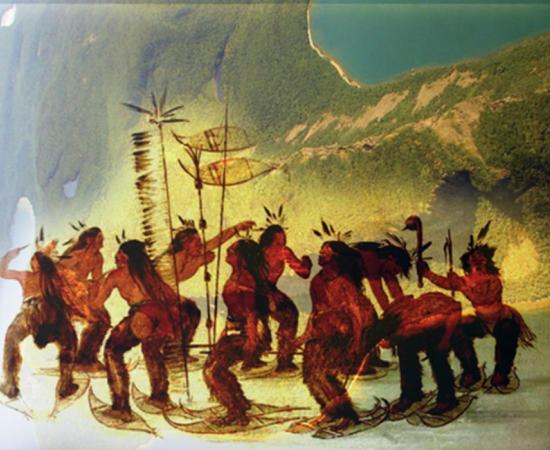
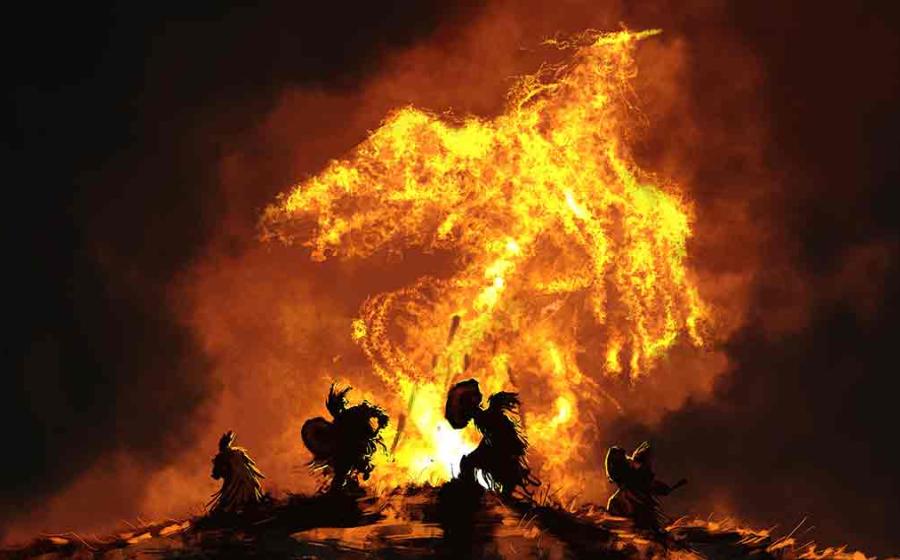
Throughout history, governments have continually feared and misrepresented peaceful resistance movements, none more tragically than the misinterpretation of the Ghost Dance Movement by the United States government in the late 1800s. Amid the tumult of Westward expansion and cultural assimilation in North America, the Ghost Dance Movement emerged as a beacon of hope for Native American tribes, including the Sioux. Originating among the Paiute people of Nevada in the 1870s, it quickly gained momentum, spreading to tribes across the Great Plains and beyond. Wovoka's Vision and the Birth of the Ghost Dance Movement The movement emphasized communal rituals of dance and prayer, offering solace in the face of adversity. The Ghost Dance Movement was founded by a Paiute spiritual leader