
June
25
/ 2019
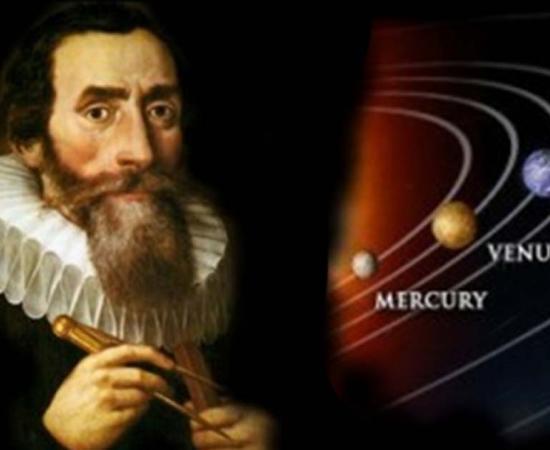
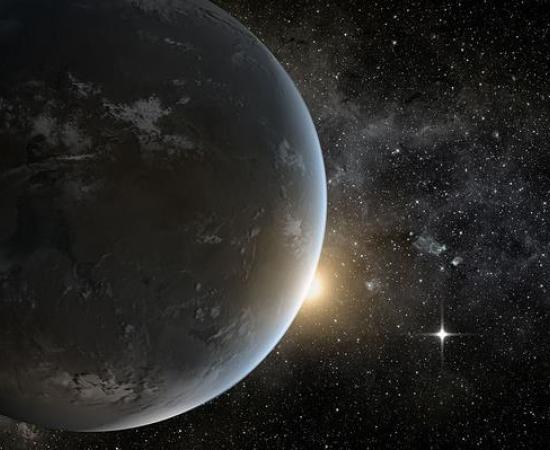
On March 7, 2009, NASA launched the Kepler space telescope into orbit around the Sun. Outside the Earth’s atmosphere, it would be free to peer deeply into a cross-section of our galaxy in search of new planets orbiting other stars. After nine years in action covering two separate mission phases (designated as Kepler and K2), the Kepler space telescope finally ran out of fuel and was forced to cease operations in October 2018. But over the course of its lifespan, it discovered more than 2,600 new planets, at least a few of which may be capable of supporting life. In addition to the 2,681 objects already classified as exoplanets (planets outside the solar system), the U.S. space agency listed another