
June
07
/ 2026
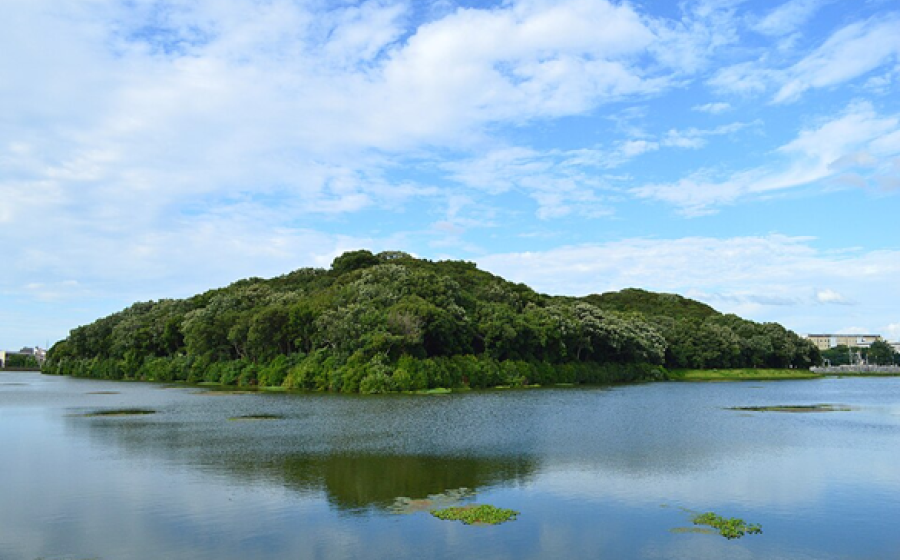
During Japan's Kofun Period (250–538 AD), no fully centralized imperial state governed the archipelago, but a powerful Yamato polity was gradually consolidating authority over much of western Japan. Across the landscape rose enormous earthen tombs, many shaped like keyholes, surrounded by moats and clay haniwa figures. These kofun, meaning “old mounds” in Japanese, honored rulers and elite families whose authority rested on warfare, marriage alliances, ritual power, and control of regional networks. Centered in the Yamato region, this emerging political order helped lay the foundations for the later Japanese imperial system Kofun Burial Chamber and Two Iron Swords Uncovered in Parking Lot Shrubbery Rare, Giant-Sized Haniwa Funerary Statue Found in Japan Keyhole-shaped tomb Haze Nisanzai Kofun Aerial photograph 2007, (Geospatial