Riley Winters

Profile picture for user Riley Winters
Riley
Winters

Riley Winters is a Pre-PhD art historical, archaeological, and philological researcher who holds a degree in Classical Studies and Art History, and a Medieval and Renaissance Studies minor from Christopher Newport University. She is also a graduate of Celtic and Viking Archaeology at the University of Glasgow.

Member for

12 years 1 month

View Recent Blogs

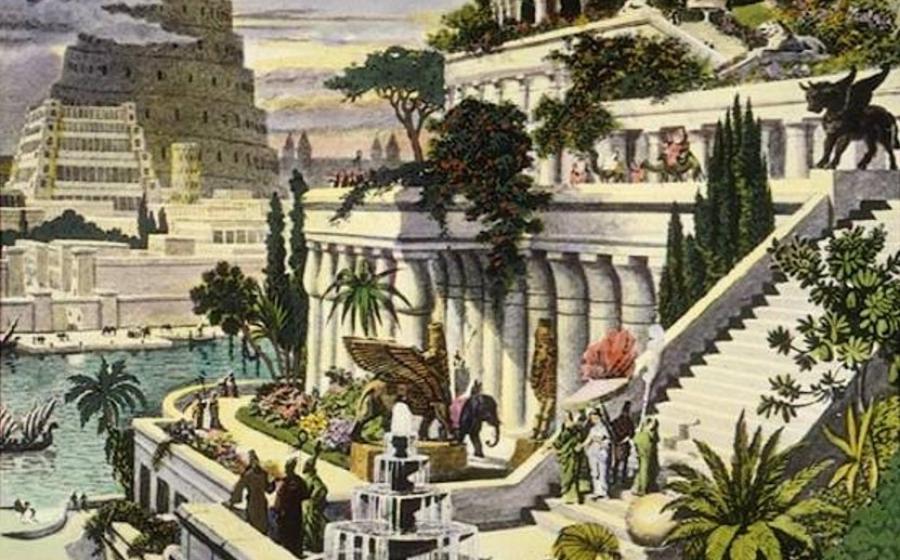
Born in 634 BC in what is now called Neo-Babylonia, Nebuchadnezzar II would one day become one of the greatest ancient Babylonian kings. The first-born son of his predecessor Nabopolassar, from a young age Nebuchadnezzar showed promise as the future leader of Babylon, defeating the Egyptian armies at Carchemish (605 BC) and thereby subduing both Syria and Phoenicia to Babylonian rule before he had even taken the throne himself. Despite his unquestioned accomplishments, Nebuchadnezz ar II is also known as one of the Bible’s greatest villains. In the book 2 Kings in the Old Testament, the Babylonian king laid siege to Jerusalem, stole valuable treasures from the temple, abducted the Judean king and his court, and seized and deported 10,000
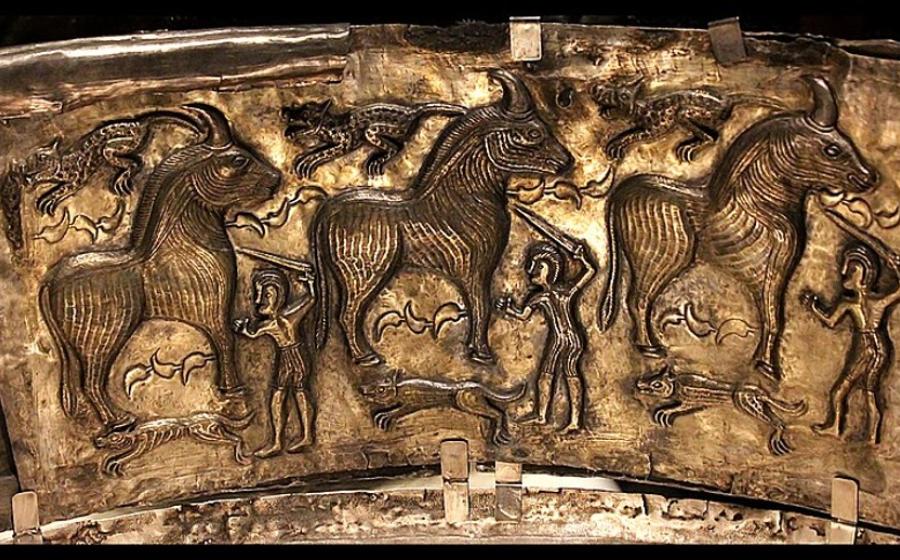
The practice of sacrifice in Britain has a long history but was particularly prolific during the Iron Age. Nevertheless, it has long been a contested topic: how often were sacrifices made, for what reasons, and what—or more interestingly, who—were sacrificed? These are the three primary questions that have puzzled archaeologists and historians alike for many decades. It is only in recent years that we have begun to paint a picture of what might have occurred during sacrificial events, and who might have been the chosen few that were ceremonially killed. Maya Sacrificial Victims Were Painted Blue and Tossed into a Sinkhole 6,000-Year-Old Neolithic Burial Mounds were Later Used for Ritual Sacrifice! The Concept of Sacrifice In the Iron Age The
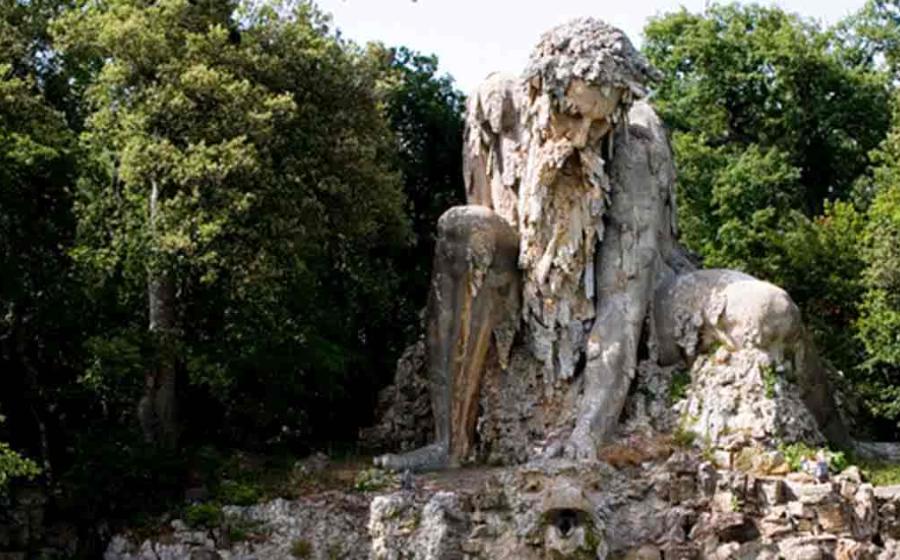
At the feet of the Apennines, Aeneas and his men defeated the Latins in one of the first victories of the early Romans. Amid flying arrows and screaming men, the Latins laid down their weapons and were taken by Aeneas' army while Father Apennine watched. Since then, the Apennine Mountain Range has seemingly had a life of its own. Giambologna, a 16th century Renaissance sculptor, worked a magic of his own when he gave Father Apennine a face in the gardens of Villa di Pratolino. When one gazes up at the Colossus, the superhuman figure is not only imposing, but threatening, as if daring visitors to endanger his territory. The Colossus of Rhodes: Ancient Greek Mega Statue Seven Wonders of
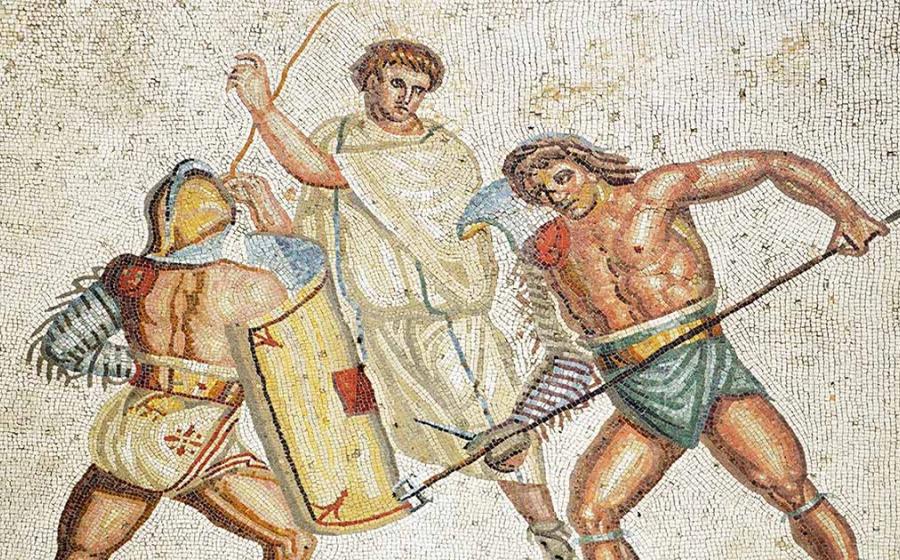
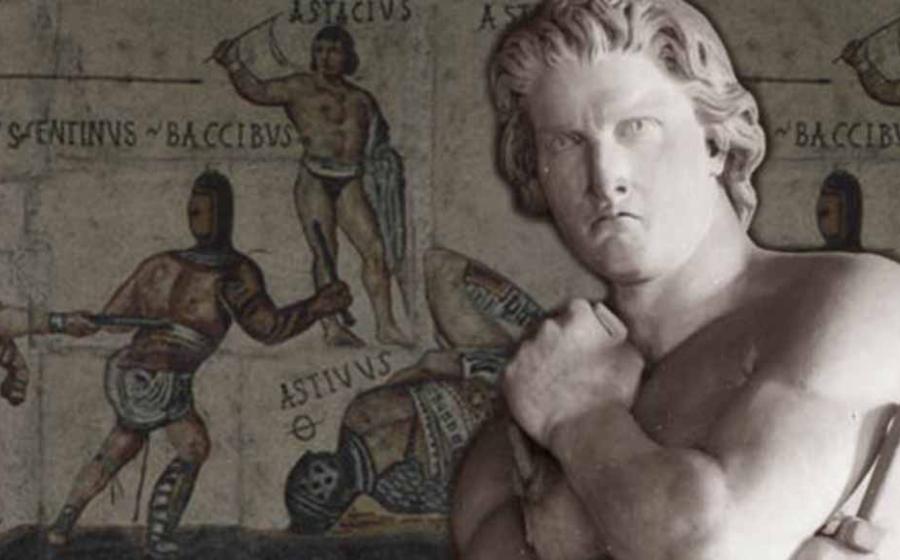
(Read Part 1) Led by the Roman gladiator Spartacus, the Third Servile War stretched on from 73 to 71 BC, an attempt by thousands of Roman slaves to escape the gladiatorial ring. As a Thracian, forced into slavery by the Roman legions he had once fought beside, Spartacus was angered by the stripping of his freedom and took matters into his own hands by gathering his fellow gladiators in rebellion. Having successfully fled their training school in Capua, Spartacus and his men plundered their way through Italy, defeating Roman legion after Roman legion. With the Senate believing that the Roman state was truly in danger, Marcus Licinius Crassus was chosen next to bring the slave revolt to an end. Crassus'
The Thracian born Roman gladiator known as Spartacus is now considered the stuff of legend. To this day, books, movies and TV shows have been created to highlight the strength of this heroic rebel slave and the power of a good, common cause. However, historians consistently emphasize the need for caution in evaluating TV's historical interpretations. In truth, it’s almost impossible to know who Spartacus was in reality, due to the discrepancies and biases of classical authors. What is evident is his profound impact on the future of the Roman government. But, this picture is based on the act of rebellion itself, rather than on the noble intentions for which the media prefer to remember him. [[{"type":"media","view_mode":"media_large","fid":"114542","attributes":{"alt":"Spartacus began the great
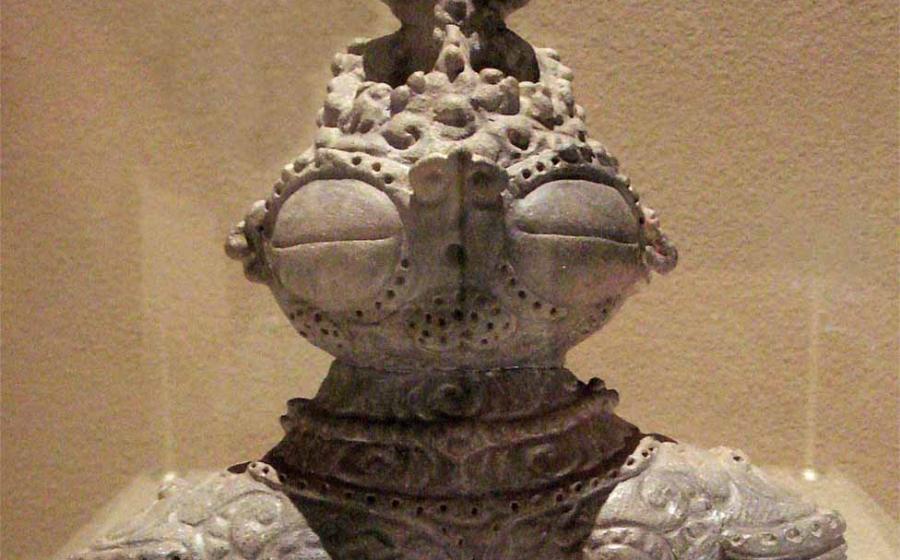
The Jomon Period is the earliest identifiable period in Japanese history and is broken into several categories—Incipient, Early, Middle, and Late. Comprised of a sedentary culture, the Jomon people are best known for their early pottery skills and are considered to have created the earliest forms of pottery in the world. [[{"type":"media","view_mode":"media_original","fid":"110985","attributes":{"alt":"","class":"media-image","height":"630","typeof":"foaf:Image","width":"440"}}]] Jomon vessel dated to the Middle Period, 3000–2000 BC. (I, Sailko/ CC BY-SA 3.0 ) Most significant about the Jomon culture are their dogu: human- or animal-like figurines which appeared as early as the Incipient Period, roughly 14,000-4,000 BC, but were most significantly produced in the Middle Period. It is believed by most Japanese art and archaeological scholars that, despite their multiple possible functions, these works were most

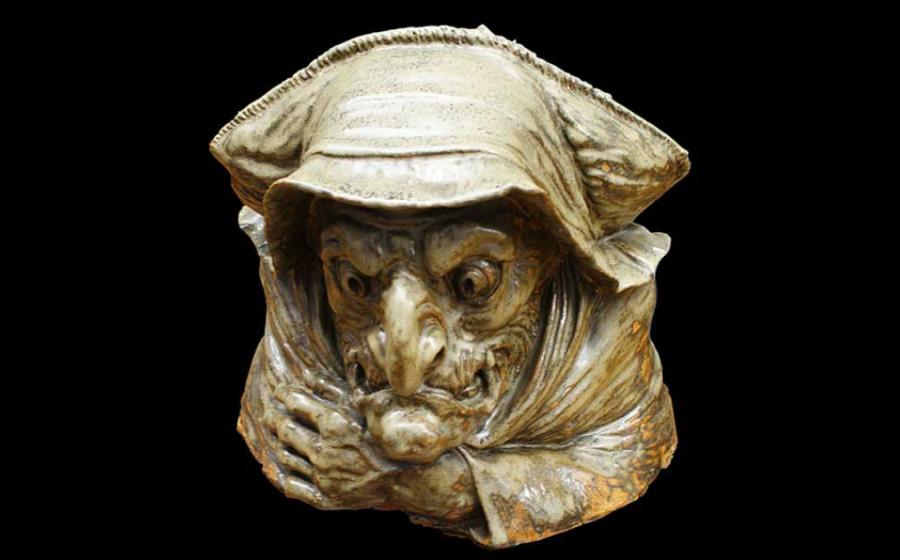
As ambiguous as she is hideous, Baba Yaga is an anomaly. In Slavic folklore, Baba Yaga is both a maternal, mother nature figure and an evil villain who kidnaps and eats children. Numerous renditions of her tale portray her as a harbinger of transformation, possessing the power to either assist or obstruct those who she chances upon, and eating those who fail to satisfy her demands. An alternative wicked witch from Russian and Slavic legends, Baba Yaga is depicted as flying through the forest within a giant mortar and pestle. Though the origins of her name are as unclear as her purpose tends to be, it is believed that baba means something akin to “old woman” or “grandmother,” while the
With silver wings and a golden diadem, the goddess Selene shone brightly throughout the lands of ancient Greece. As the goddess of the moon, Selene captivated the hearts of ancient poets, authors, and orators, becoming as much a symbol of the glorious night as the proverbial light in the darkness. [[{"type":"media","view_mode":"media_large","fid":"101304","attributes":{"alt":"Three paintings showing three deities of Greek mythology as personifications of the times of the day. From left to right: Helios (or sun god Apollo) personifying Day, Eos (or Hesperos) embodying Dawn, and Selene (or Diana, Luna) personifying Night or the Moon. (Public domain)","class":"media-image","height":"219","style":"width: 610px; height: 219px;","typeof":"foaf:Image","width":"610"}}]] Three paintings showing three deities of Greek mythology as personifications of the times of the day. From left to right: Helios (or sun
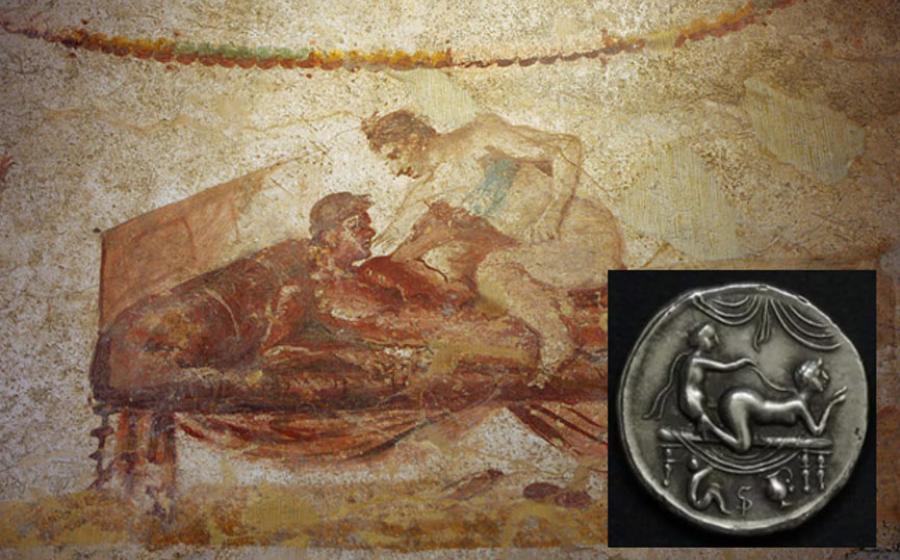
There is a curiosity that belongs to ancient Roman history which historians are yet to solve; there exists a collection of Roman brass coins or tokens that depict sexual acts on one side and a numeral on the other. They were not part of the normal moneyed economy and they were used for just a short time in the first century. These so-called Roman sex coins may have been used to obtain entry to brothels, pay prostitutes or even function much like a modern-day menu, where customers who did not speak Latin could handover the token depicting the act they desired. But the truth is, noone really knows. Today, there is a strong, negative stigma surrounding the occupation of prostitution
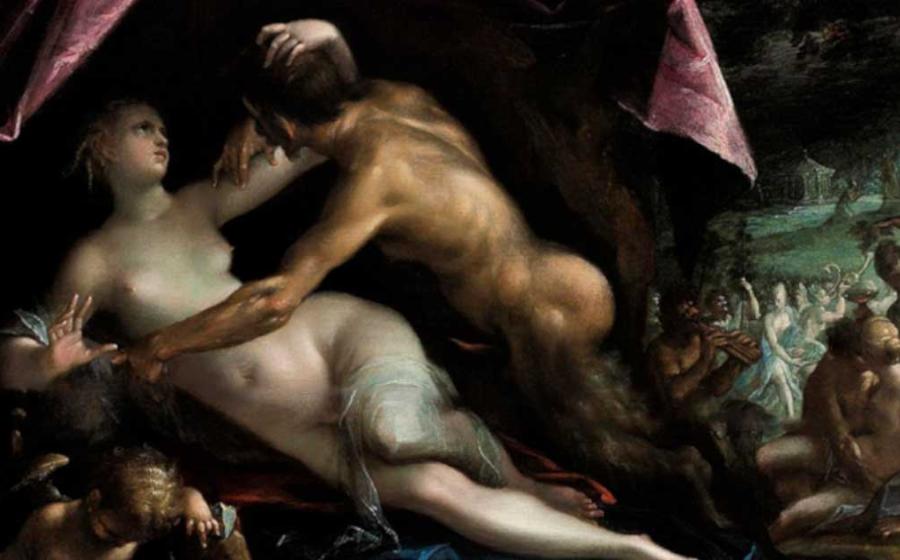
In Slavic mythology, there is a type of nymph, which can only be described as somewhere between a ghost and a fairy. Said to float between the living world and the afterlife, the wandering wilas have taken on attributes of both fairies and elves, due to their ethereal beauty and their mischievously fatal temperament. Who Are the Wandering Wilas? Similar to the sirens of Greek mythology, the wandering wilas have gone by many names. Known as a wiła in Polish, vila in Slavic, wili or even veela, according to Ronel the Mythmaker they have been “seriously misunderstood.” The mythological wilas are young and mysterious fair-haired beings, revered for their beauty. Envied by human women and admired by mortal men, some