Van Bryan

Profile picture for user Van Bryan
Van Bryan
---

Van Bryan is a contributing author for Classical Wisdom. Van is an intrepid young writer who divides his time between the bustling streets of Manhattan and the sandy beaches of Miami, Florida. He is a graduate from the University of Central Florida where he studied classical literature as well as ancient and contemporary philosophy.

Member for

8 years 7 months

View Recent Blogs

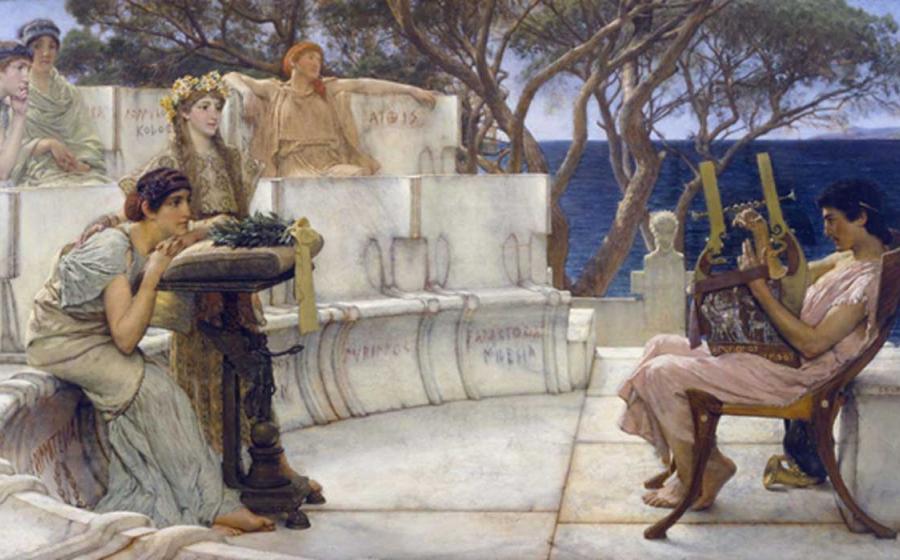
By Van Bryan/ Classical Wisdom Besides being born on the island of Lesbos around 630 BC, and this date is often disputed, surprisingly little is known about the life of the beloved poet Sappho. The only reliable source of biographical information comes from her own poetry. However, it is often disputed if her writings were actually autobiographical in nature, or, as they performed in festivals and for large audiences, they were retelling stories and myths. Additionally much of her writing has been lost to the ages. Indeed she was prolific in her time and wrote around 10,000 lines (about 2,000 less than the Odyssey), but today only about 650 lines survive. This leaves us with little to no verifiable evidence
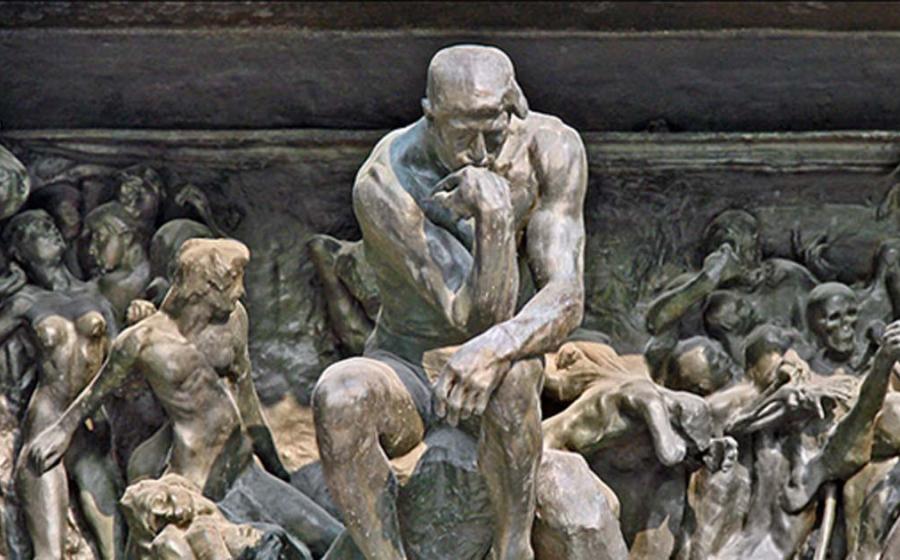
It is human nature to wonder how best to live our lives. No doubt you have lost sleep over this notion, perhaps staring at the ceiling contemplating the very nature of your existence and what is the proper way to live. How do we know what constitutes a good or bad life? How should we be living? We are going to explore two philosophers who posed two very different answers to that very quandary. And when it is all said and done, it will be up to you to make up your mind. Epicurus: Enjoying the Little Things Epicurus was a philosopher that began flexing his intellectual muscles only a few decades after the death of Aristotle. Born on the
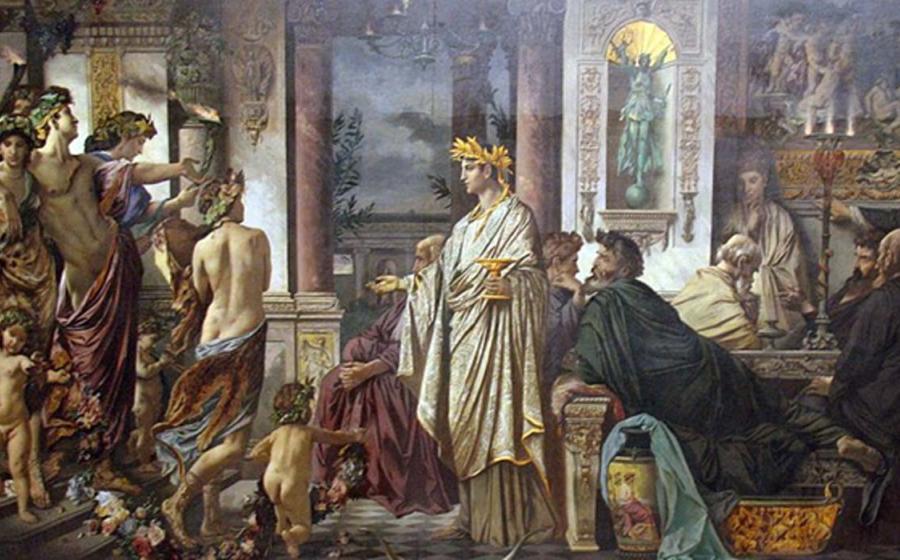
When talking about love in the classical age, we would be utterly remiss to not include Plato’s Symposium in our conversation. Symposium is Plato’s recounting of a, supposedly true, ancient cocktail party where various guests are invited to stand up and give their account of love, its function, and origin. For those of you who don’t know, Symposium reads more like a particularly funny joke rather than a serious piece of philosophical literature. A poet, an aristocrat, a philosopher, and a comedic playwright walk into a bar… And of all the colorful characters that stand up and give their take on the lovey dovey subject, the undeniable favorite tends to be Aristophanes and his fanciful tale of double-sided humans who
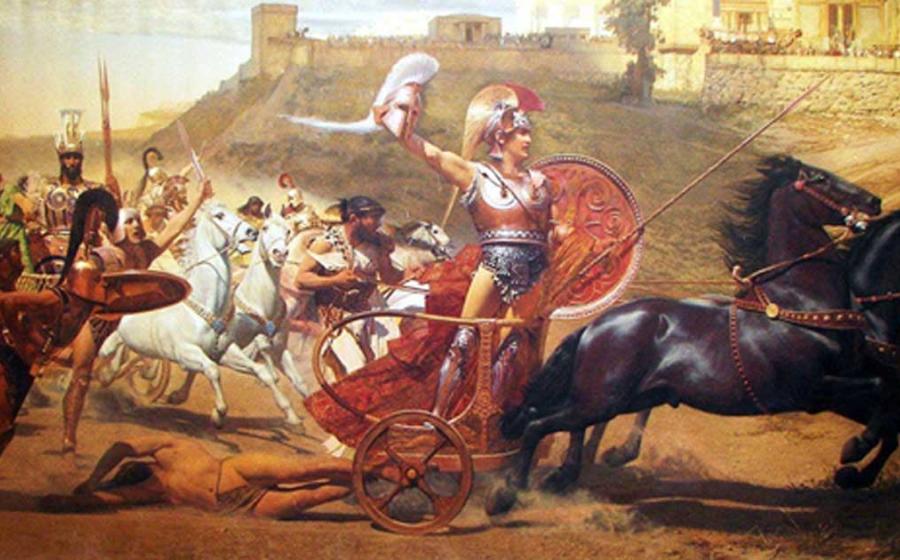
By Van Bryan/ Classical Wisdom It was the great philosopher, Woody Allen, who said, “I don’t want to achieve immortality through my work; I want to achieve immortality through not dying. I don’t want to live on in the hearts of my countrymen; I want to live on in my apartment.” While this might get a chuckle from a modern reader, such a sentiment would have been unthinkable to a classical age hero. In The Iliad, the classical hero Achilles is motivated to abstain from battle, and subsequently re-engage, in order to achieve his kleos aphthiton (eternal glory). To understand the Greek hero and, more importantly, kleos, we must first understand the Greek song culture and the role that lyrical
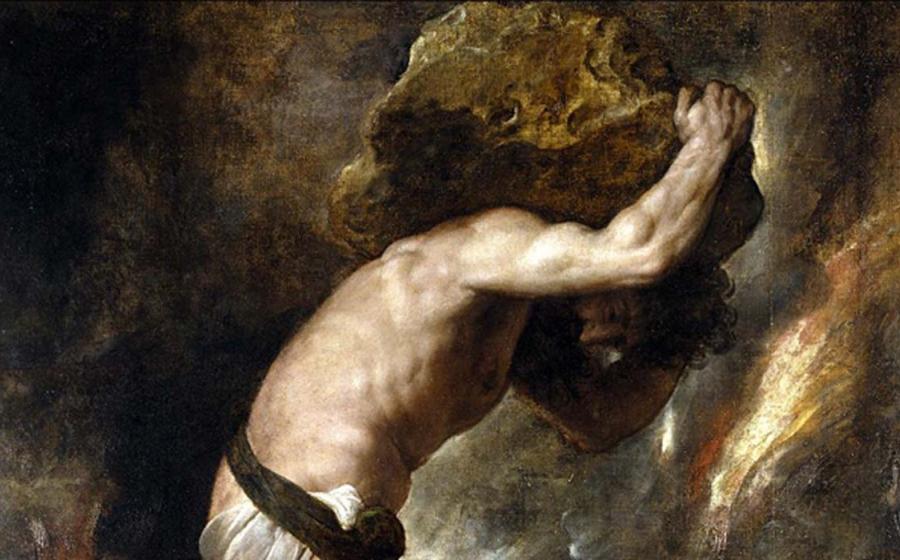
The legend of Sisyphus begins with a man who, if we are to believe Homer, was one of the wisest and most prudent of mortals. Nonetheless he would fall out of favor with the gods of ancient Greece. He was taken to the kingdom of the underworld and was forced to endure one of the most pointless and excruciating punishments of ancient mythology. Every day, he would carry a massive boulder up a mountain, straining and sweating all the while. When Sisyphus reached the top of the mountain, the boulder would immediately roll back down the hill in a matter of moments. Sisyphus would then make his tired march down the hill where he would start this task over again
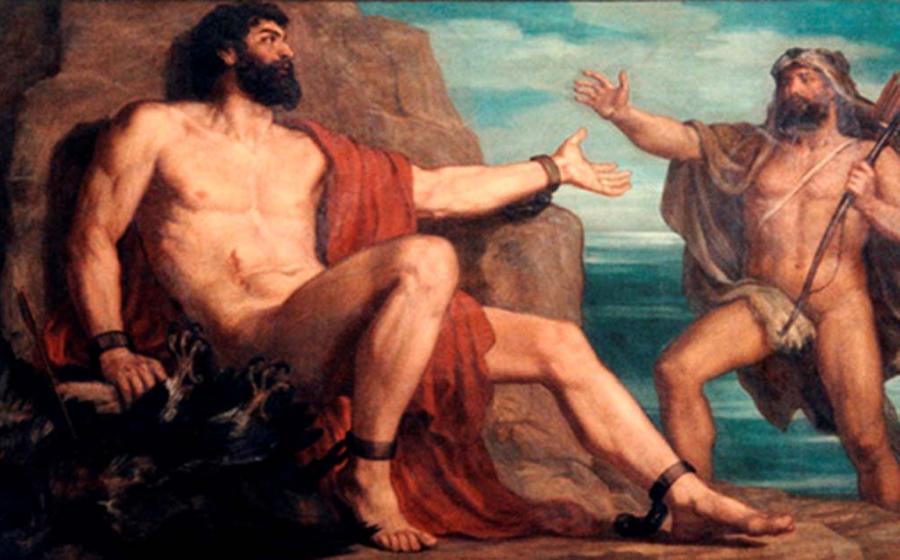
The story of Prometheus, Epimetheus and Pandora is a popular myth of ancient Greece - one that has been told and retold throughout the ages. It is a tale of Prometheus, the son of a titan, who was punished for helping mankind. But it is also a myth that explains the creation of man, the birth of enlightenment, as well as the horrible beginnings of misery. Creation of the Universe The story goes that when the universe was being created, the earth formed out of chaos. The air came together while the land and seas solidified. Then the gods decided to put on the planet creatures that might live through the graces of the gods. The job of creating man
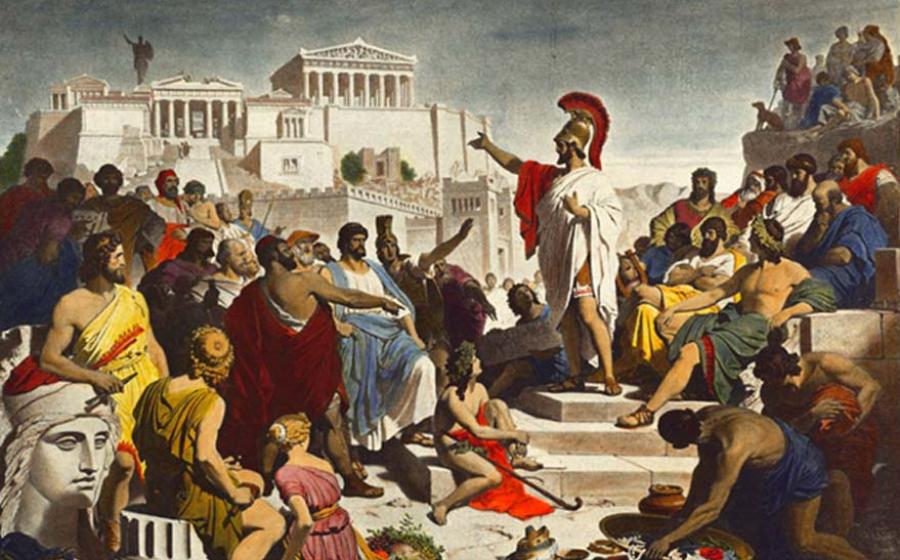
Okay, so Plato once predicted that all democratic governments would inevitably lead to chaos and anarchy. And sure, he foresaw that elected leaders would try to lie to us, in attempts to placate the people. And yes, Plato deduced that the only logical result from democracy was...Tyranny; a state where lawmakers would purposely undermine the people’s needs in order to maintain power. But really, come on. It’s not like this is happening now, right? Right? I may have just given away the ending, put my cards on the table a bit too soon, so to speak. But to investigate whether or not you are living in a tyrannical government - an important issue to be sure - it’s best to