Kristen C

Profile picture for user Kristen C
Kristen C

Kristen C is a freelance writer with degrees in Counseling and Integrated Humanities, which featured cognates of Psychology, Sociology and Religious Studies. Kristen enjoys nature, loves animals and is interested in vegetarian cooking, natural and homemade do-it-yourself projects and almost all types of music. 

You can reach Kristen at Lakeside Writing: lakesedge.wix.com/lakesidewriting 

Member for

10 years 11 months

View Recent Blogs

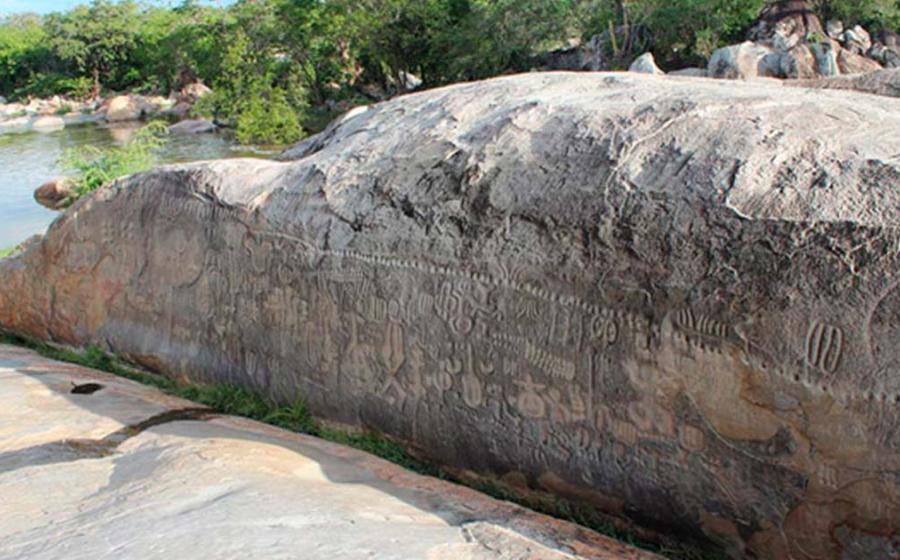
Standing amidst the waters of the Inga River in Brazil, the mysterious Inga Stone of Paraíba, Brazil is an archaeological treasure of much ongoing controversy. Covering most of its 150-foot length (46 meters) and 13-foot (4 meters) height are strange, unidentified geometric symbols, varied in size and shape, which are apparently carved into its Gneiss exterior. Although many observers have speculated on the origins and meaning of the symbols, no theory has yet been proven 100% factual. Are they a message to future generations from our ancestors? Did a previously unknown civilization exist, possessing ancient technology long since forgotten? What do the symbols really mean, who carved them, and why? Unveiling the Inga Stone's Legacy Dating back in origin at
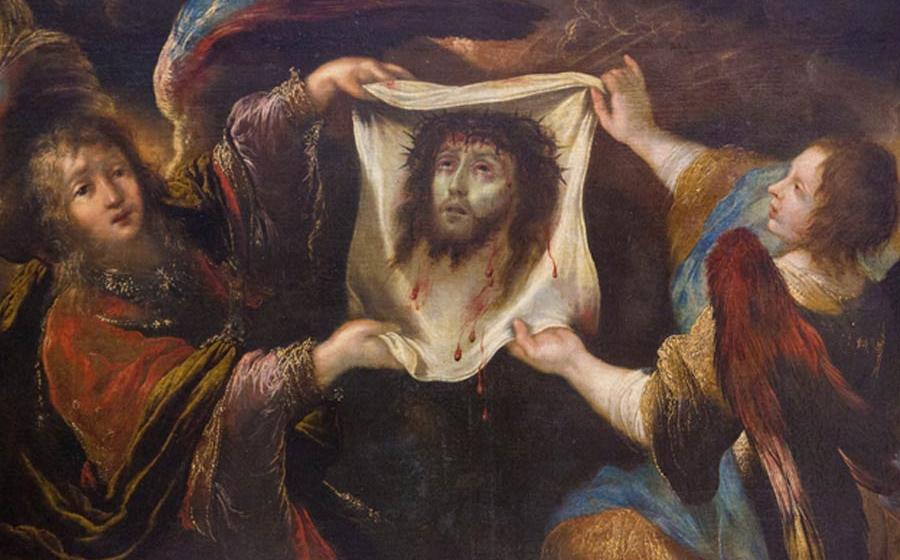
According to the Catholic Stations of the Cross, there was once a woman who wiped the sweat and blood from the face of Jesus Christ with a cloth as he endured the torturous walk carrying his own cross to Calvary. This woman is portrayed in the Sixth Station out of the complete Fourteen, which is entitled ‘Veronica Wiping the Face of Jesus’. Legend tells the rest of the story as a miraculous one. Some believe that Christ's sweat, having left an imprint of his face on the cloth, transferred healing properties into its fabric. Others have insisted over time to have laid their hands on the relic itself, (with some actual claims of being witness to its healing power), or
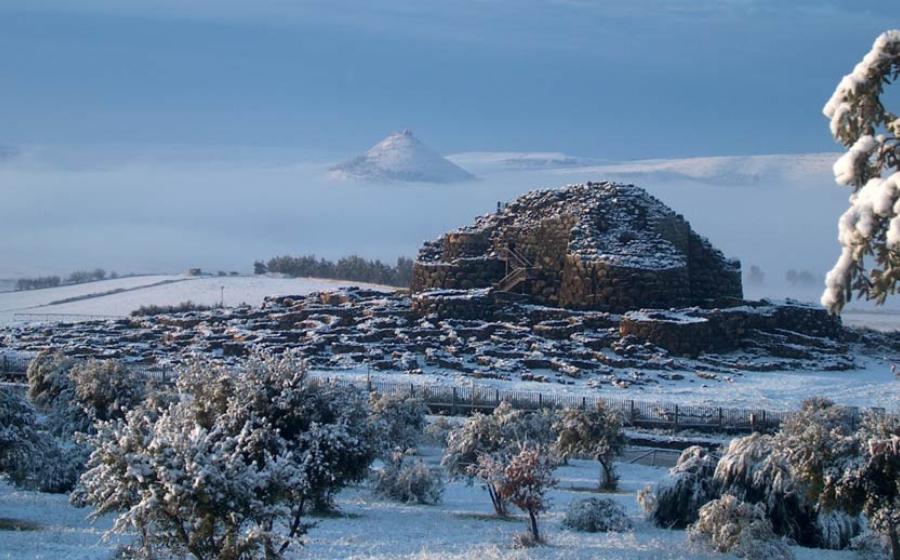
Throughout the ancient island of Sardinia, the story of the indigenous Nuragic civilization lies obscured by unanswered questions. Although one can examine thousands of their laboriously-assembled structures, megalithic graves, and meticulously-crafted artwork and figurines, the greatest ponderings remain. What became of these ancient people of the Bronze to early Iron Age, and how does their existence tie in with other civilizations? To ascertain these answers, one must begin with the nuraghi. The nuraghi towers Arguably the most well-known pieces the Nuragic left behind were their nuraghi structures or towers, of which approximately 7,000 have been discovered upon the island - but up to 30,000 may have been constructed. Although similar in features to many other structures throughout the Mediterranean region
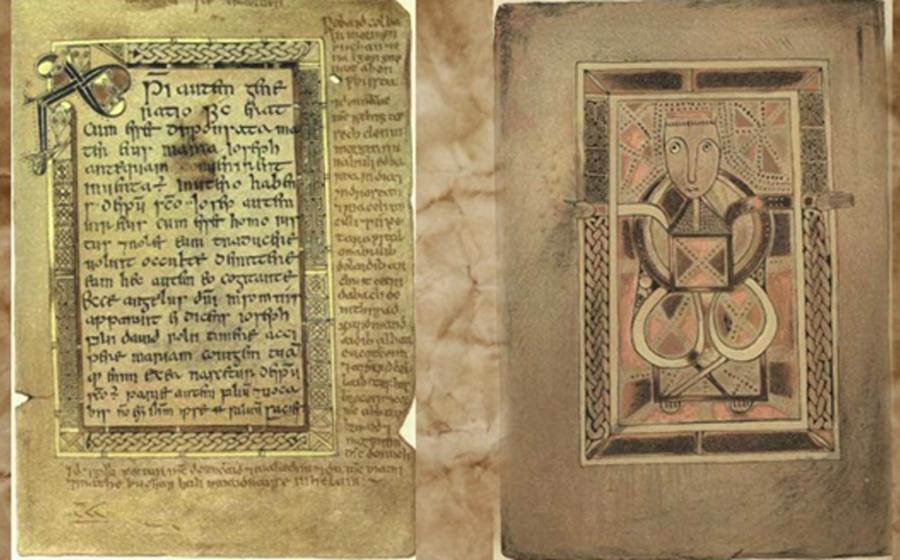
Currently housed at the University of Cambridge Library, the historic Book of Deer is said to have been discovered by the University's librarian, Henry Bradshaw, around 1860. It is said to be the only pre-Norman manuscript revealing tenth century northeastern Scottish culture's society and religious traditions, and is the earliest known Gaelic document in existence. Although fascinating to historians for multiple reasons, the greatest intrigue for those drawn to this ancient text lies within the handwritten notations made in its margins and other blank areas, and not necessarily within the text itself. The notations, also referred to as 'notitiae', are written in the type of Gaelic typically spoken by the upper classes in the early twelfth century region of Buchan
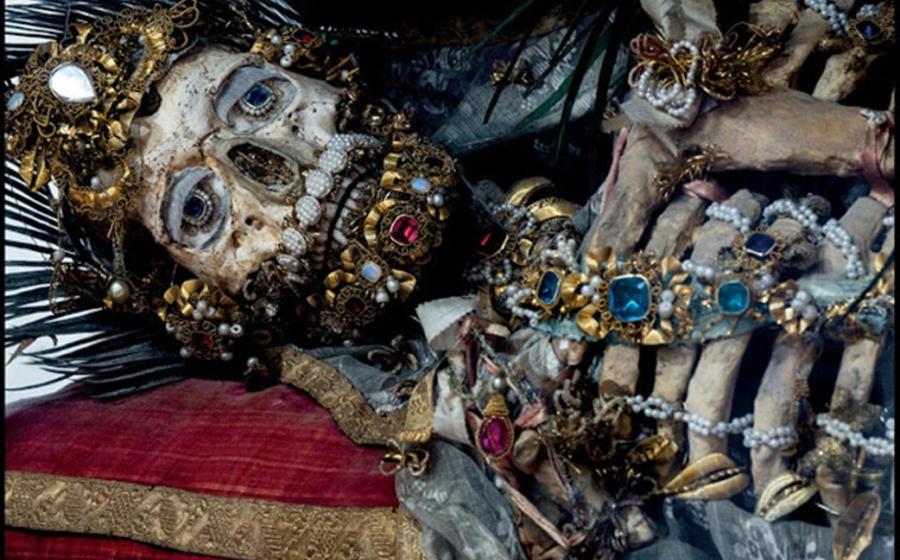
In 1578, the Roman catacombs near Via Salaria were discovered by curious vineyard workers and later fully uncovered by archeologists, revealing a vast unearthly spectacle. Between 500,000 and 750,000 skeletons gaped ghostly up at them, the ancient remains of people believed to have lived in the centuries shortly after the time of Christ - during which thousands were killed, many of whom were considered to be martyrs of the faith. Encrusted with gold and jewels and adorned in fine fabrics, many of the skeletons went on display in churches to convey the treasures that await devout followers. Catholic churches worldwide were notified and became instantly intrigued with the discovery, determined for their chapels to have a martyr's skeleton (or several)
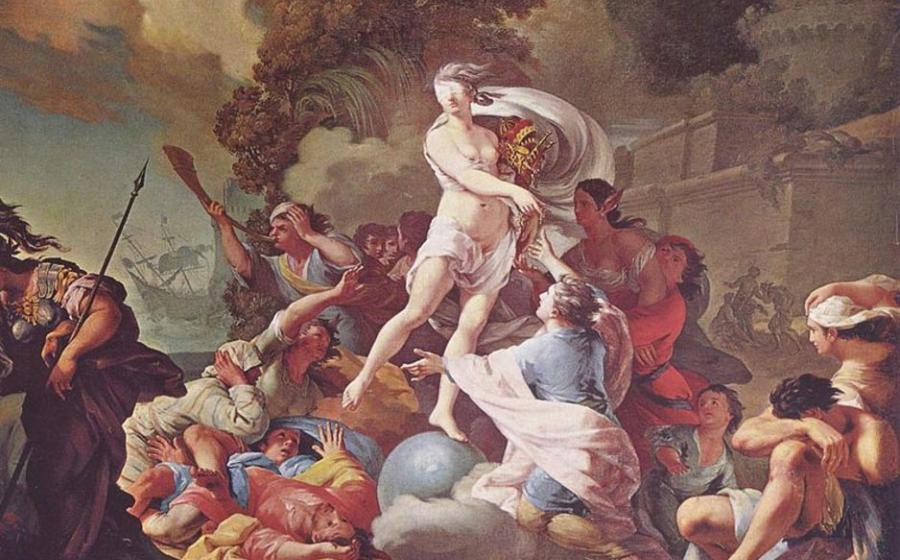
Throughout time, humanity has given great consideration to elements believed to bring good fortune our way. The more people believe that they can control unpredictable forces, the more they trust they master their destinies. There have been various representations of this as we moved through history, and many even now attribute their luck to carrying a rabbit's foot, blowing on dice before tossing them, or wearing a "lucky" color to a job interview. The Greek Goddess Tyche once stood as a symbol of luck and chance for many ancient Greeks. Later evolving into not only a guiding divinity for the individual, but a broader personification of protection over ancient cities (and even nations), her popularity spread over massive geographical regions