
November
16
/ 2026
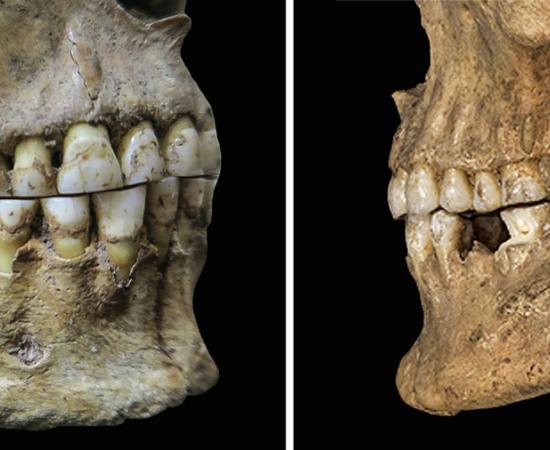
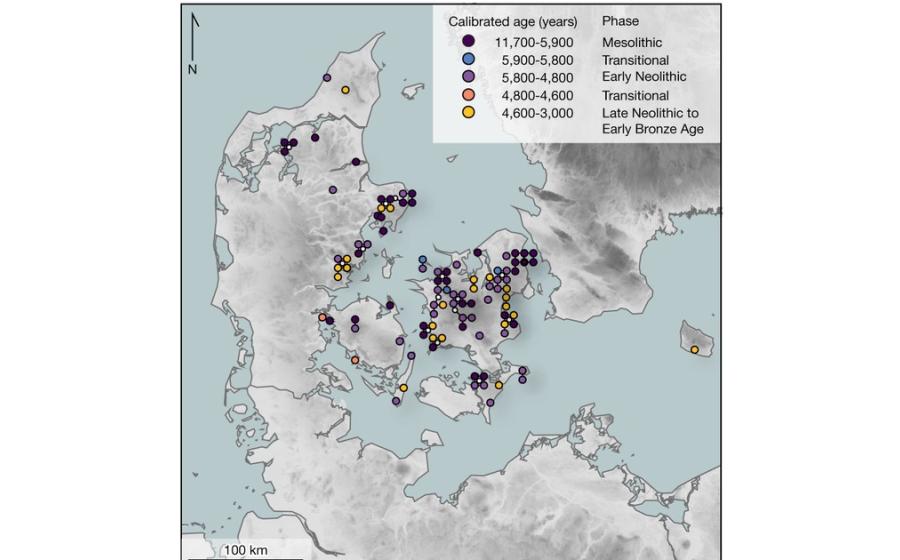
In 1956 islanders on Sejerø, northwest of Zealand in Denmark, found a human skeleton in a heap of oyster and cockle shells at a place called Rødhals. The bones went into storage at the National Museum in Copenhagen and stayed there for many years, according to the University of Gothenburg. Now a team led by Anders Fischer and John Meadows has used radiocarbon dating, ancient DNA and isotope chemistry to rebuild the life of the man buried there, and they argue he was a forager who lived through the arrival of farming. The study, "Rødhals Man: a life at the end of the Mesolithic world," is published in the journal Antiquity, according to the University of Gothenburg release, which gives