


June
05
/ 2023
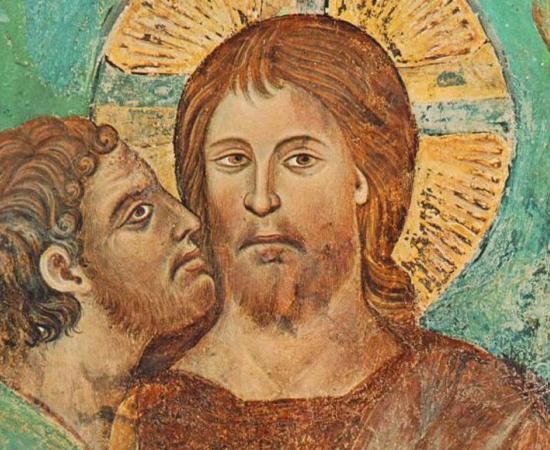
In the annals of biblical archaeology, few discoveries have ignited as much scholarly fervor and public intrigue as the unearthing of the Gospel of Judas. This mysterious text, a tangible testament to the theological diversity of early Christianity, emerged from the shadows of the past to challenge long-held beliefs and ignite passionate debates among scholars and religious communities alike. Nestled within the intricate web of the Nag Hammadi library, a collection of ancient manuscripts found in Upper Egypt in the 1940s, the Gospel of Judas surfaced as an unprecedented revelation in April 2006. Its very existence sent ripples through the religious landscape, inviting questions about the traditional narrative surrounding Jesus Christ and his most notorious disciple. Written in Coptic and