


June
01
/ 2023
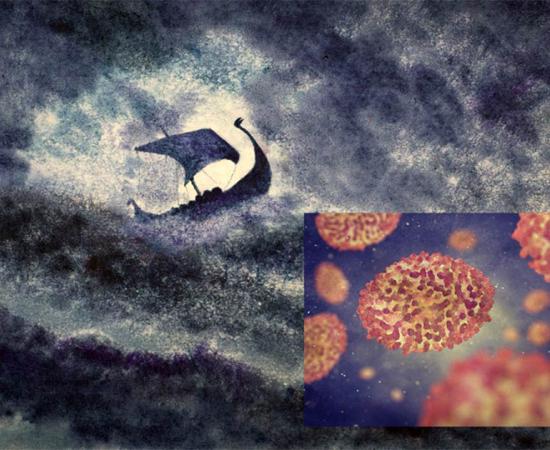
The Neolithic era was a time of profound transformation, where humanity witnessed remarkable changes that both elevated and challenged their existence. With the advent of agriculture, civilizations flourished, boasting impressive populations, technological advancements, artistic endeavors, and bustling trade networks. However, alongside these triumphs came the sobering realities that early agricultural societies had to confront. The shift towards farming led to a shift in diets, with a heavy reliance on crops and domesticated animals. This change, though providing stability, often resulted in malnutrition and its detrimental effects on physical and cognitive development. Moreover, the consolidation of populations in settled communities created ripe conditions for the spread of infectious diseases. Living in close proximity to one another, humans encountered new pathogens, which