
September
28
/ 2026
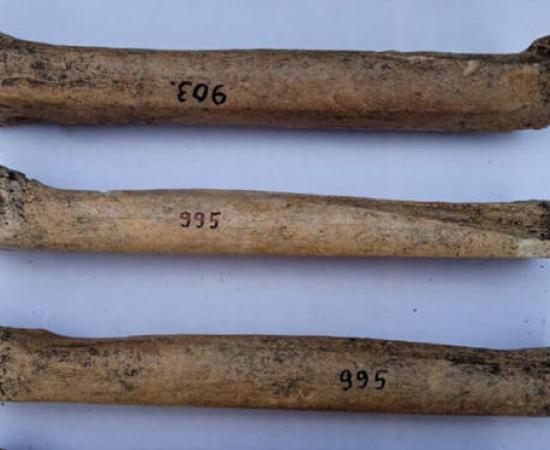
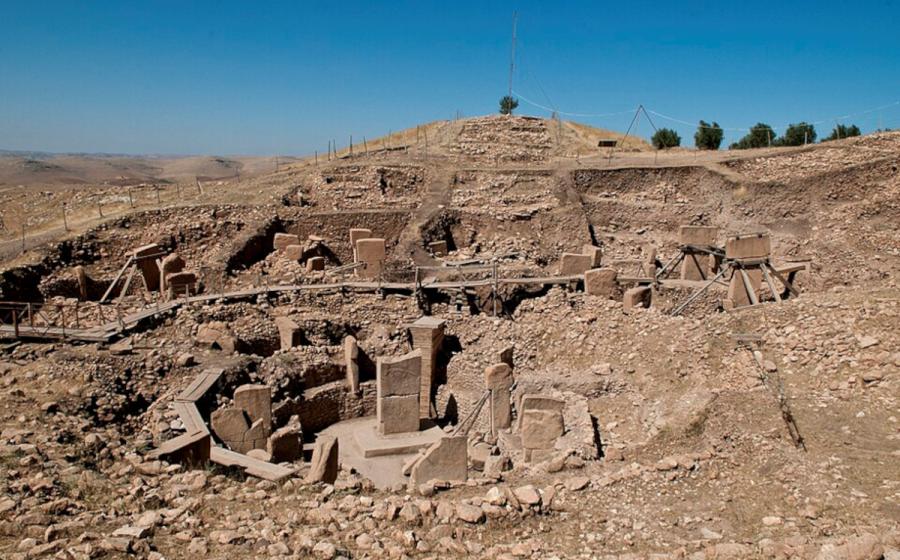
For decades, archaeologists at Göbekli Tepe found human bones scattered through its monumental buildings but no intact graves to explain them. Now the first two excavated Göbekli Tepe burials offer a way to read that puzzle differently, according to a new PLOS One study by Julia Gresky and Lee Clare. The bones inside the graves bear some of the same damage as 928 loose fragments recovered elsewhere on the mound. At least some of those fragments, the researchers suggest, may have come from burials disturbed by soil sliding downhill—not from bones deliberately strewn around the famous T-shaped monuments. A Shared Grave and a Woman Buried Alone The graves date from the Pre-Pottery Neolithic B Period (approximately 8700–8000 BC) within the