
July
07
/ 2026
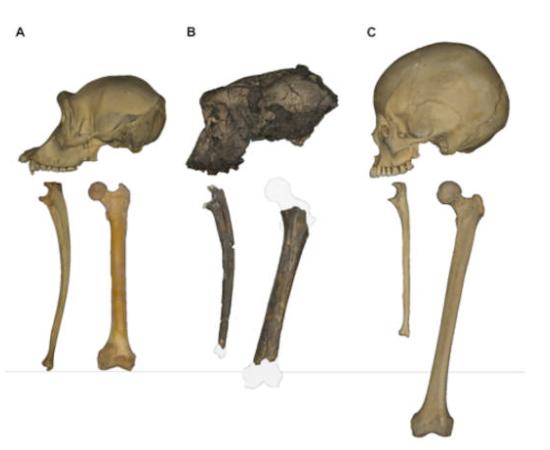
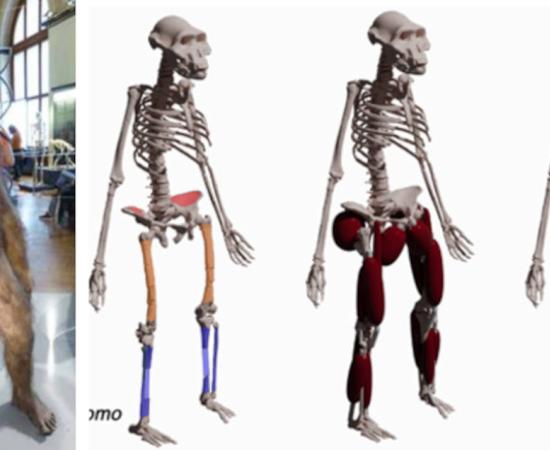
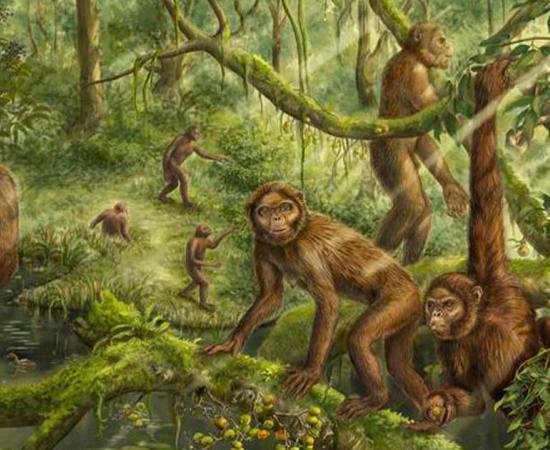
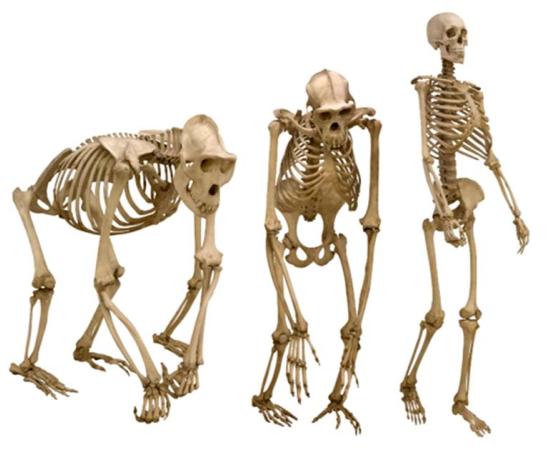
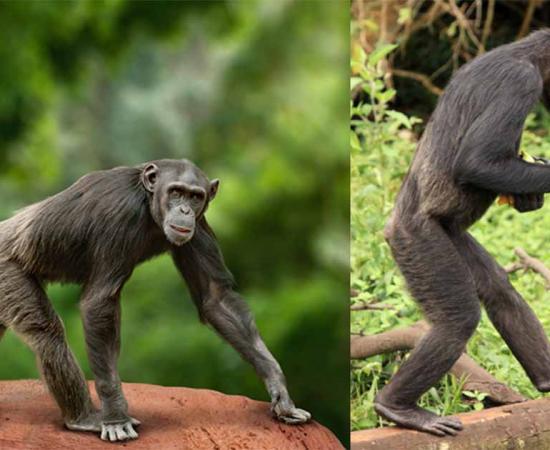
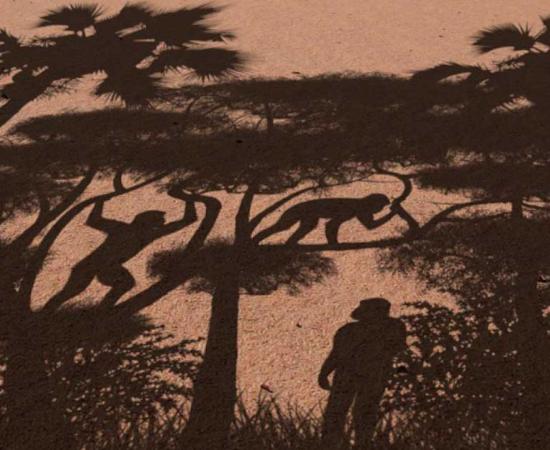
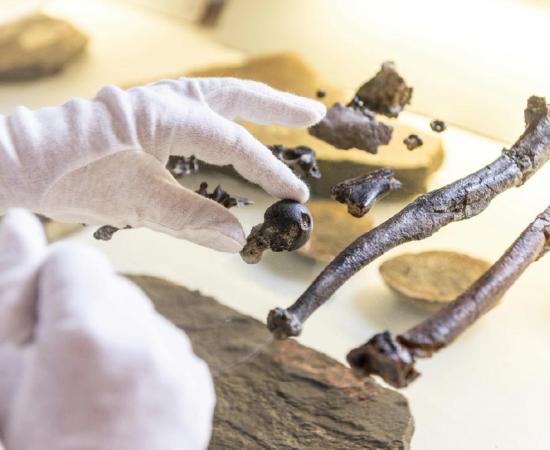
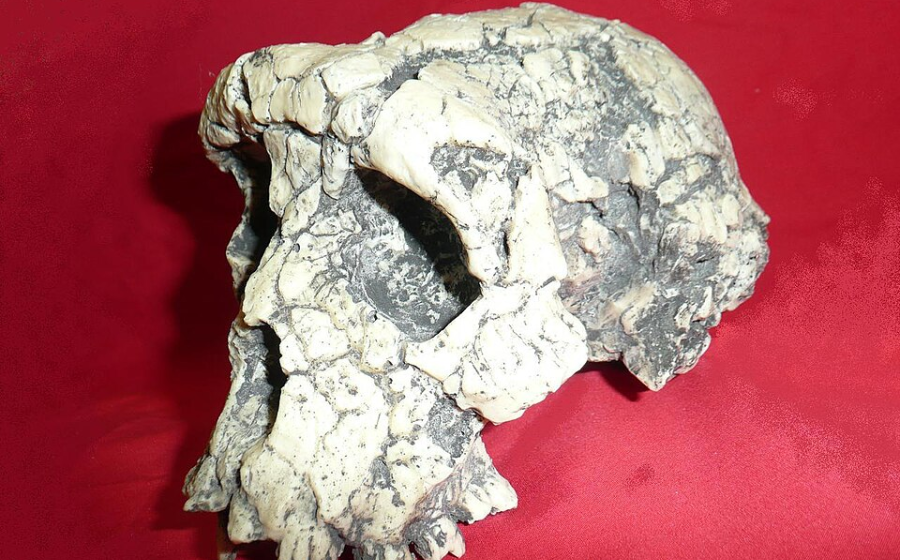
7 million years ago, present-day northern Chad lay near woodlands, lakes, rivers, and open grasslands. The famous fossils of Sahelanthropus tchadensis, discovered at Toros-Menalla, were not part of today’s dry Sahara. Researchers believe Sahelanthropus tchadensis spent much of its time in wooded habitats near water rather than in open grasslands. It may have climbed trees to hide from predators in dense vegetation or moved on the ground in search of food and fresh water. Its varied habitat is one factor in the debates about the evolution of early upright walking. Archaeologists ask whether bipedalism may have emerged before humans fully adapted to open savannas. Africa’s climate was gradually drying. Forests were changing to grasslands. Versatile primates that could move easily