Patricia Raswant

Profile picture for user Patricia Raswant
Patricia
Raswant

Patricia Raswant earned a BA in history from Gallaudet University. In 1995, she completed the consortium course, the Arab Studies, at George Mason University. The Arab studies course was the very first time she came across a respectful book, The Imperial Harem: Women and Sovereignty in the Ottoman Empire by Leslie Pierce published by Oxford University Press, 1993, which mentioned Deaf people at Topkapi Palace. From that moment, she has never stopped researching Deaf people at Topkapi Palace.

Prior to studying history, Patricia studied the linguistics of American Sign Language (ASL), and she used to teach American Sign Language (ASL) as a foreign language requirement to prepare the hearing students for the interpretation program at Northern Virginia Community College in Annandale. Patricia left her museum job to teach English language to students who were Deaf at Gallaudet University English Language Institute, a traditional school for the Deaf.  Patricia also earned another MA, in Education, Curriculum, and Instruction with a specialization in English as a second language (ESL) from University of Phoenix. Then she taught ESL to International Deaf students at Inlingua of Washington, DC, a progressive school until her stroke, she had retired, but not her love for researching.
Member for

5 years 6 months

View Recent Blogs

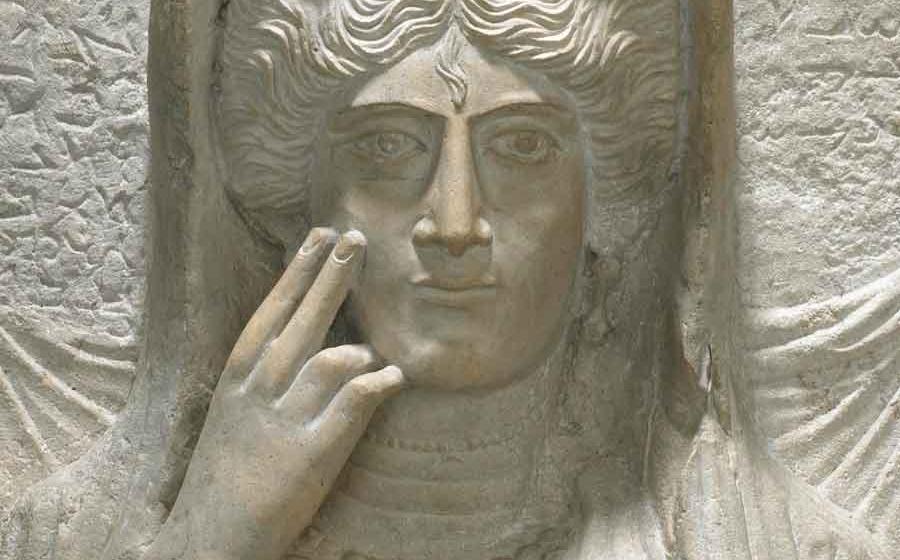
Over three decades ago, walking up a wide and elegant marbled staircase passageway in a museum, a funerary relief bust of Haliphat in a secluded alcove first caught my eye. From that moment I was bemused by her uniquely intentional and well-formed hand shapes. I was hooked! For years, working in museums, I had seen and analyzed numerous statues and busts, but rarely had I ever come across anything like these lifelike hands which had been frozen in time some 1,790 years ago. I wanted to know what messages are contained within the curious shapes of Haliphat’s hands. As much as I’d like to, I’m aware that I can’t possibly apply our current finger alphabets to understanding her ancient hand
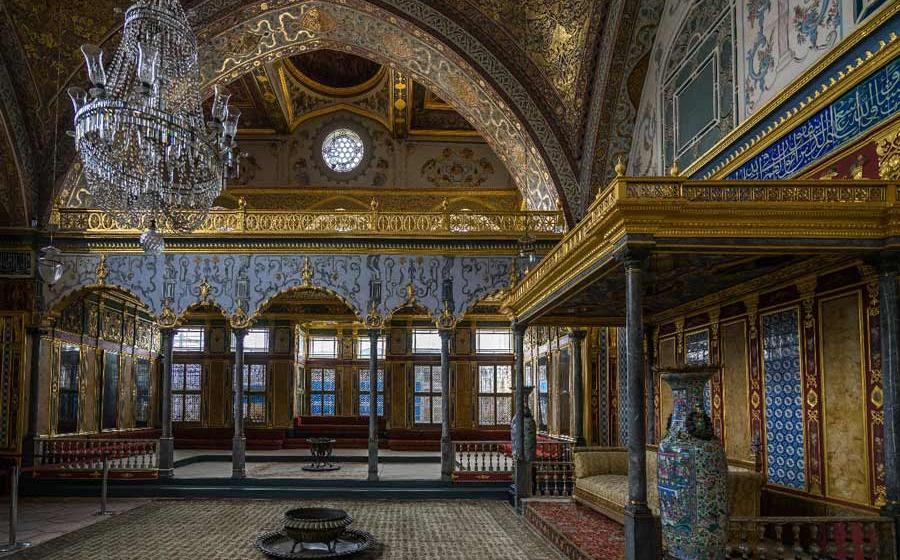
Almost everyone at the Istanbul Topkapi Palace was a slave, but this is not the only curious attribute the palace had when ruled by Sultan Suleiman the Magnificent. Everyone was forced to learn and use only sign language. Why could this be? This article examines how sign language was first introduced at the Topkapi Palace under Sultan Suleiman the Magnificent and why sign language was exclusively spoken at the palace. Topkapi Palace was not a special school for the deaf, but a unique place for everyone, both hearing and deaf residents alike. This paper also covers the factual issues about harems. Inadvertently a vow of silence may seem a divergence, but be assured, a vow of silence was a significant