nickospoulianos

Profile picture for user nickospoulianos
Dr Nickos Poulianos

Dr Nickos Poulianos

Nickos A. Poulianos was born in Tashkent (Uzbekistan), July 15th 1956.  He was educated in Russia, New York, Greece, and Italy. He graduated in Biology at Rome University “La Sapienza” in 1984, and went on to a complete a PhD in Anthropological Sciences concerning the ‘Petralona Man’ at the Florence Institute of Anthropology in 1989. From 1985 to 1986, Dr Poulianos received a scholarship from the Greek Ministry of Education for a one-year study stay at the Geological Institute of the Academy of Science in Prague, which was followed by further studies and research concluding with a second PhD thesis on Petralona Vertebrate Palaeontology in 1998.

You can read his full profile here.

Member for

12 years 8 months

View Recent Blogs

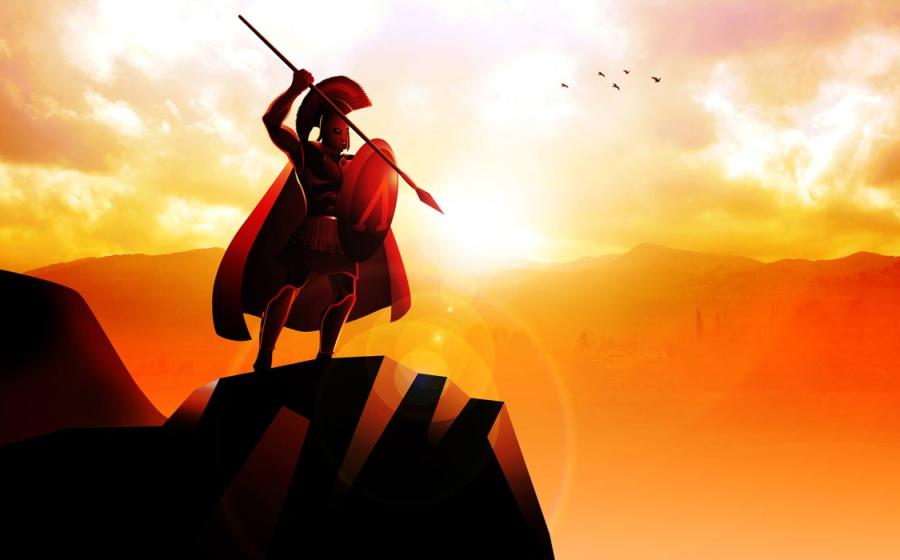
In 480 BC, an enormous Persian army under the chief command of Emperor Xerxes (son of Darius the Great) campaigned against Thessaly in central Greece. Mainly they fought against the southern mostly democratic and independent city/states. The army numbered more than 300,000 men. The Hellenes initially decided to defend themselves in Tempe valley (next to Mount Olympus) by sending about 10,000 fighters. Yet, a couple of months later they concluded that it was better to stand at the Thermopylae straits (about 150 km (93 miles) to the north of Athens), where, however, only a total of 7,000 hoplites could gather. [[{"type":"media","view_mode":"media_original","fid":"28775","attributes":{"alt":"Artistic representation of the Battle of Thermopylae.","class":"media-image","height":"650","style":"width: 430px; height: 650px;","typeof":"foaf:Image","width":"430"}}]] Artistic representation of the Battle of Thermopylae. (Internet Archive Book
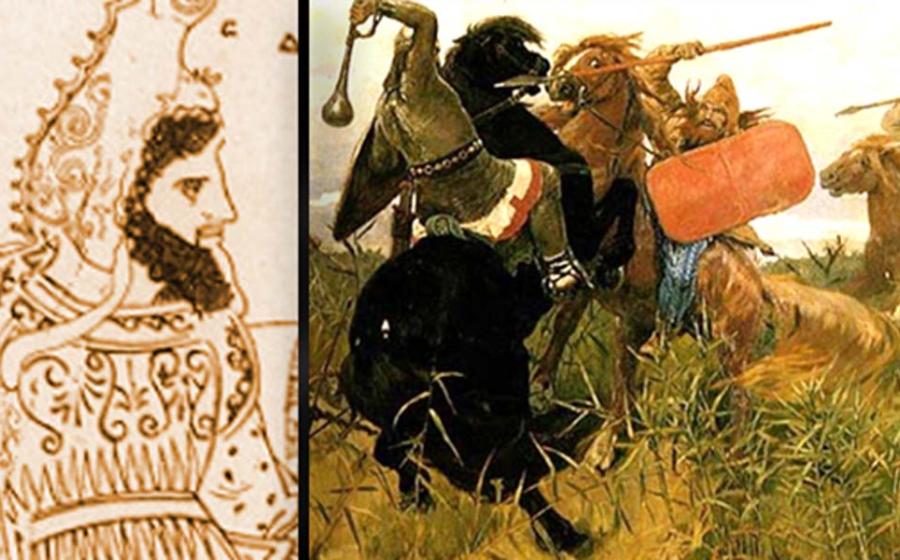
To the north of the Persian Empire, around both sides of Caucasus Mountain, various Scythian (Palaeo-Slavian / Staroslavianskje) tribes lived. They were nomadic, i.e. not yet permanently settled in agricultural communities, whereas their neighbors had been settled into sedentary societies since Neolithic times (mainly in Mesopotamia). Thus Scythians, as well as Cimmerians in northeast Turkey, and others too such as Medeans (or even Persians themselves), along with the hunting activities, sacked and abducted of the wealth of their (mainly southern) neighbors, especially after Sumerian times. One of the key players in these events was Darius the Great. Who Was Darius the Great? Darius I, more commonly called Darius the Great, was born in 550 BC and died in 486 BC
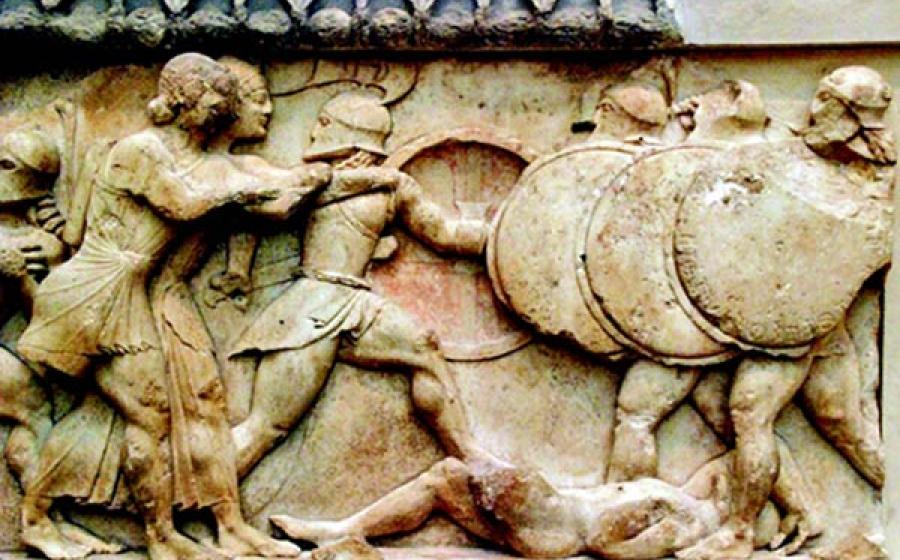
The battle of Marathon took place by the end of summer 490 BC just 42 km or 26 miles northeast of Athens on a plan surrounded by hills and the sea. It is one of the earliest recorded battles thanks to the efforts of Herodotus from Halicarnassus, known as the “Father of History,” who wrote a colorful description of the combat just a few years after it occurred. The fighters involved in the battle were Greeks from Attica numbering about 10,000 citizen-soldiers from Athens aided by another 1,000 from Plataea, a small city 60 km or 37 miles to the northwest of Athens. This force faced 50,000 or even more than 100,000 Persian career-soldiers that disembarked on the Marathon sandy
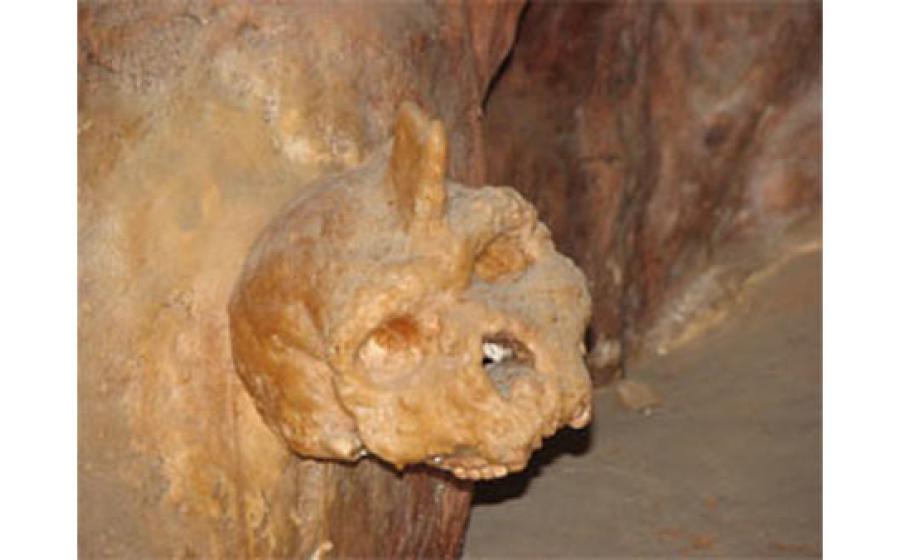
Ancient Origins has recently presented the debate about the skull found in Petralona, Greece. This debate has been continuing in the scientific community for more than half a century. While the Greek government has tried to supress information regarding the skull and disallow Dr Aris Poulianos and his collaborators from carrying out further research, many scientists have spoken out in support. Read the background to the discovery of a human skull in Petralona, that has since been referred to as ‘Petralona Man’. In a recent letter to the Ministry of Culture in Greece, dated 13th August 2013, Dr. Kyung Sik Woo, the South Korean President of the International Union of Speleology, a UNESCO-recognized organization that represents cave scientists and cavers