  • Today is: 

Mary Naples

Profile picture for user Mary Naples
Mary
Naples

After earning a BS in psychology from Arizona State University, Mary Naples pursued a career in high-tech sales and recruiting before fulfilling a lifelong dream of continuing her education. Long fascinated with the ancient world, Mary went on to earn an MA in Humanities with an emphasis in Women’s Studies from Dominican University of California. While at Dominican, Mary discovered a deep enthusiasm for unearthing stories about ancient women that have long been buried.


Since graduating in 2013, she has been a contributing writer for online periodicals about the ancient world, including Ancient Origins. In 2023, she published her first book, Cult of the Captured Bride: How Ancient Women Took Power, which examines how female participants found empowerment in a feminine fertility festival of ancient Greece. In June of 2024, she published her latest book titled Unsung Heroes: Women in the Ancient World, a collection of twenty-five articles about women from the dawn of ancient Greece to the last vestiges of the Roman Empire. When she is not researching the ancient world, Mary enjoys working at her local library. She lives with her husband, Tim, and their cat, Ariadne, in Sausalito, California.


You can read more about her work at: www.femminaclassica.com

Member for

7 years 5 months

View Recent Blogs

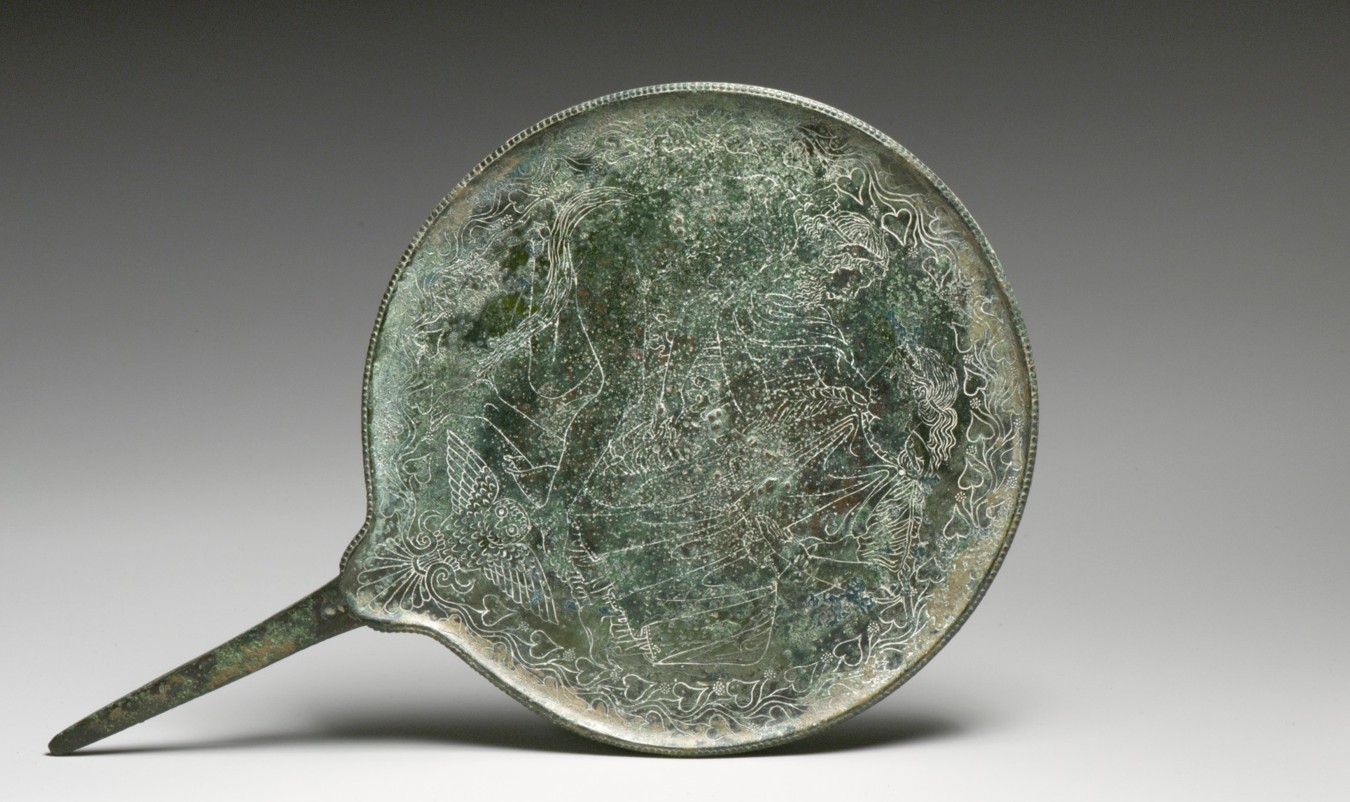
The Etruscan civilization flourished from the eighth to the first centuries BCE. Centered primarily in what are now Tuscany, western Umbria, and northern Lazio, its settlements extended north into the Po Valley and south into Campania. Fertile farmland, rich mineral resources, and skilled manufacturing powered a thriving Mediterranean trade, making the Etruscans a major cultural and political force within Italy and across the wider sea.

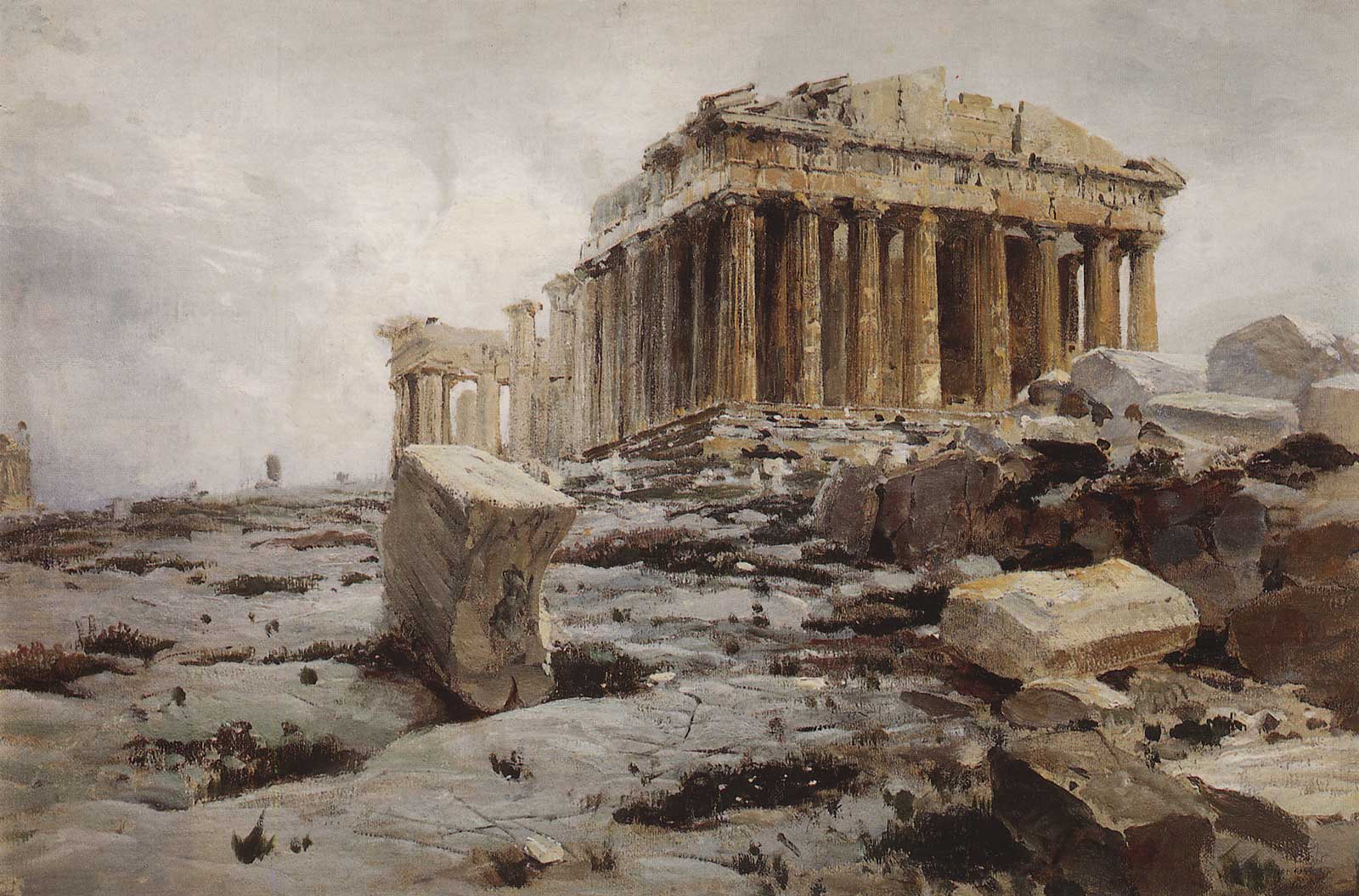
Twas thus She spoke, ”that blush of shame proclaims thee Briton, once a noble name; First of the mighty, foremost of the free, Now honoured less by all, and least by me…lo! Here, despite of wear and wasting fire, I saw successive Tyrannies expire; ‘Scaped from the ravage of the Turk and Goth, thy country sends a spoiler worse than both. Survey this vacant, violated fane; recount the relics torn and yet remain…some retribution still might Pallas (Athena) claim, when Venus half avenged Minerva’s (Roman Athena) shame.” 

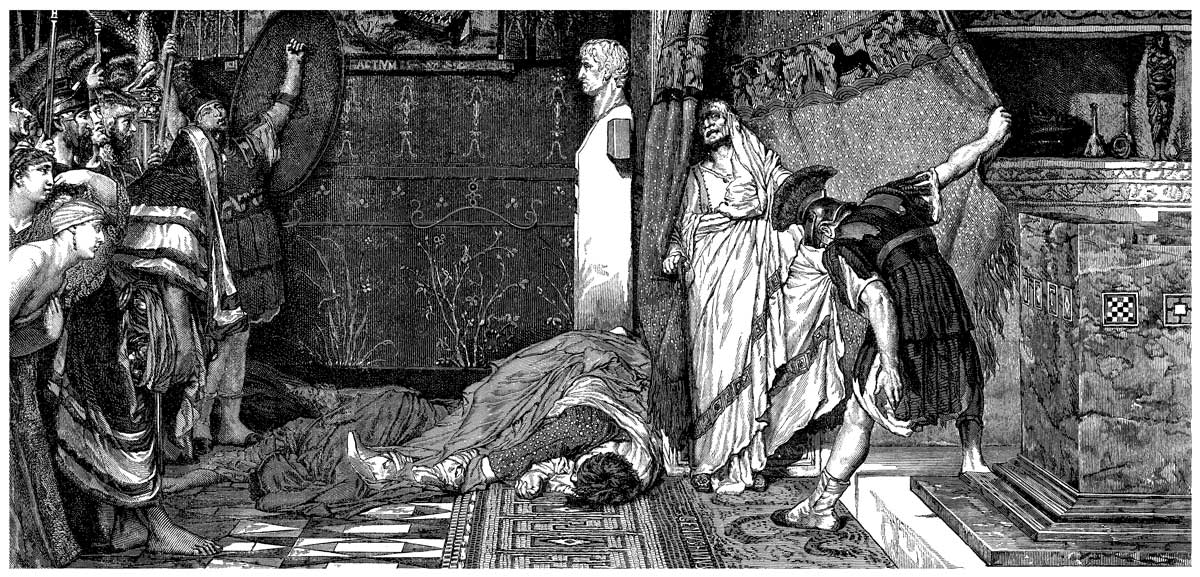
After twenty-three years filled with fear, paranoia, and the countless lives lost in its reckless pursuit, the grim and wholly unlikable Emperor Tiberius died at the ripe old age of 78 - a milestone many of his victims would have envied. All of Rome breathed a collective sigh of relief with some debating whether Tiberius should be thrown down the Gemonian steps (a fate reserved for the most heinous of criminals) or cast into the river. In no time "Tiberius in the Tiberim" became a catch-all slogan.

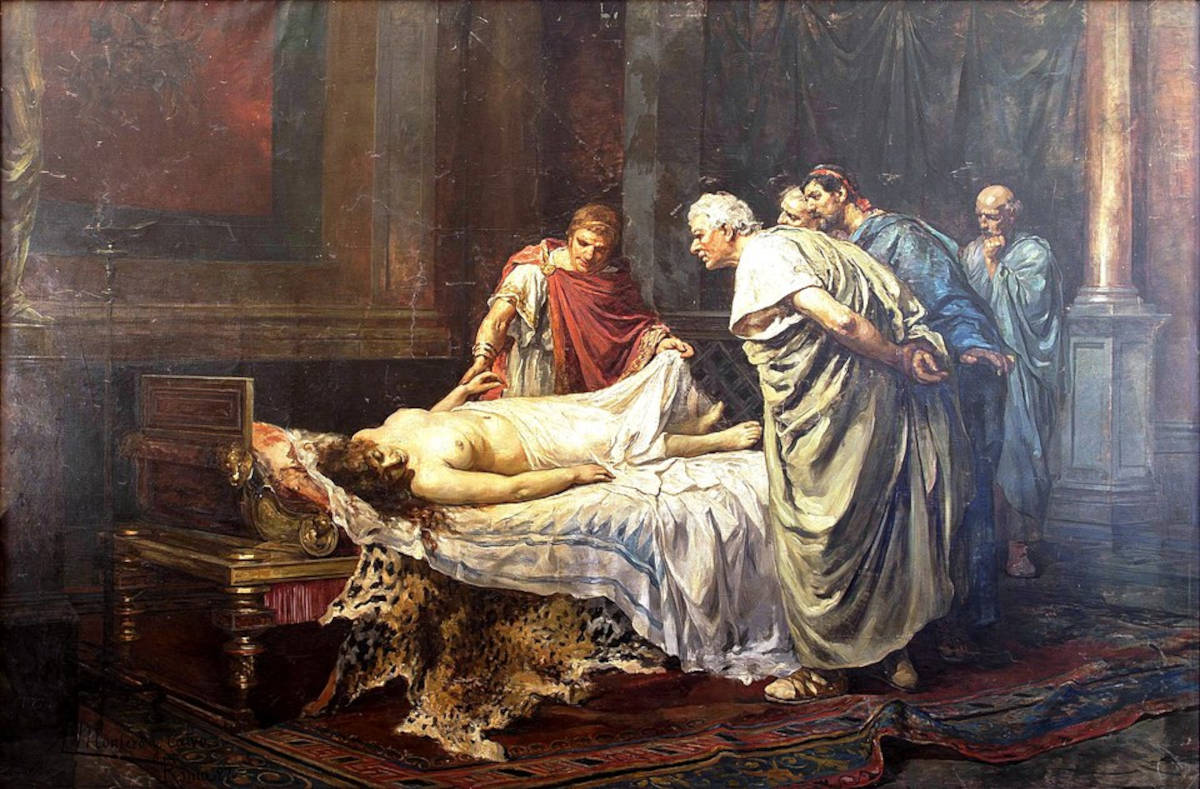
Living under the long arm of the Lex Iulia de Adulteriis laws, which prohibited all forms of adultery, the twenty-seven-year-old Julia—a widow for over a year—found herself in the unenviable position of being pregnant. She might have known her options were limited, but as Augustus's granddaughter and thus an exemplar of the Julio-Claudian dynasty, her fate was sealed.

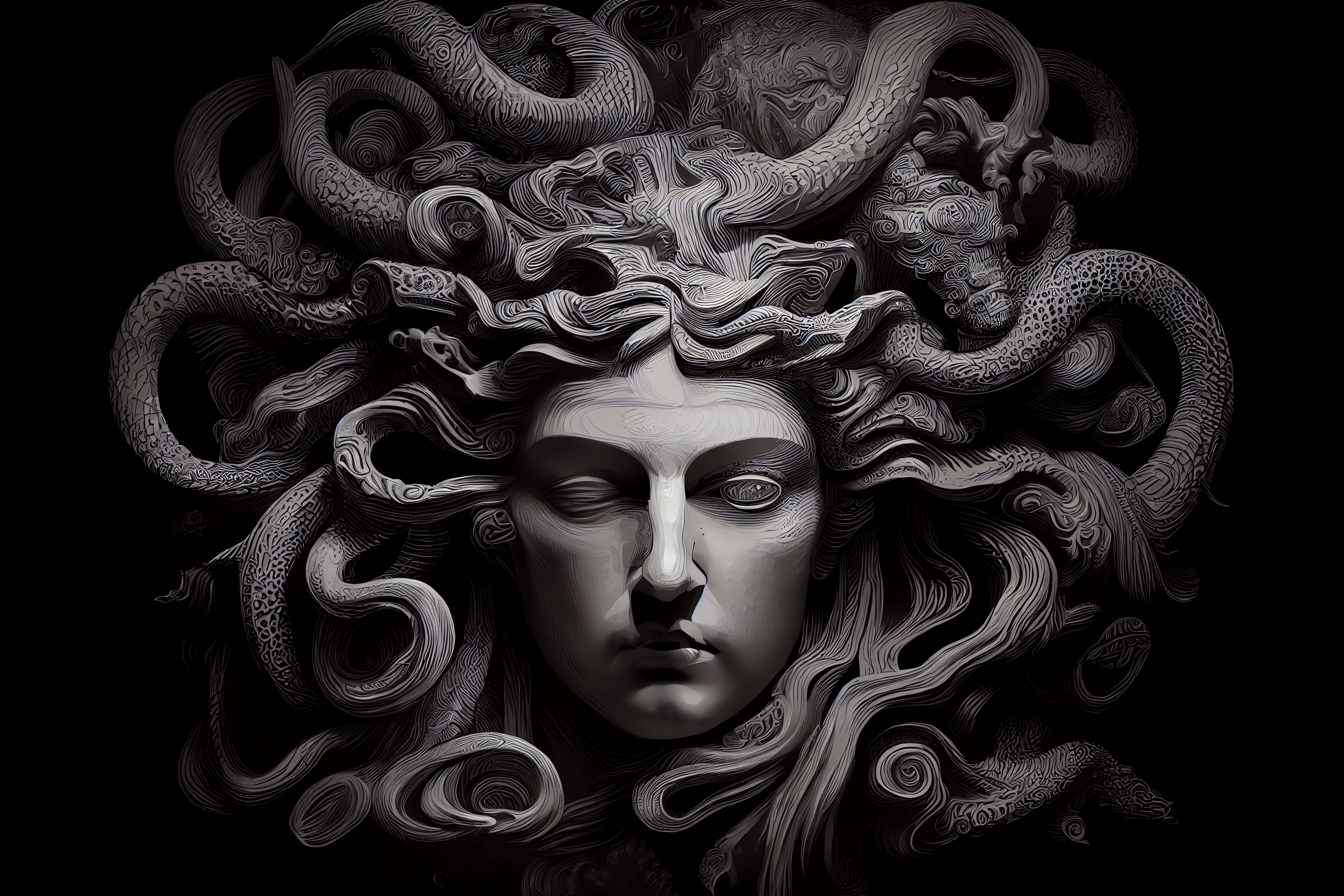
At first glance, it would seem that Medusa, the mortal Gorgon with writhing snakes for hair, wide glaring eyes, and a protruding tongue, is the least likely of all characters in Greek mythology to be a fashion and cultural icon. Yet, the opposite is true.


In the most highly anticipated event of the season, the fragrance of exotic spices and the sounds of boisterous laughter permeated the air as guests indulged in savory dishes and gorged themselves on abundant wine. The bride removed her veil to expose her flowing wild hair; embodying the Bacchic spirit, she shook her head and brandished a thyrsus, or Bacchic wand. Her handsome, ivy-clad groom, decorated in cothurni—footwear linked to Bacchus—was spinning to the euphoric music, swirling under the shimmering lights.


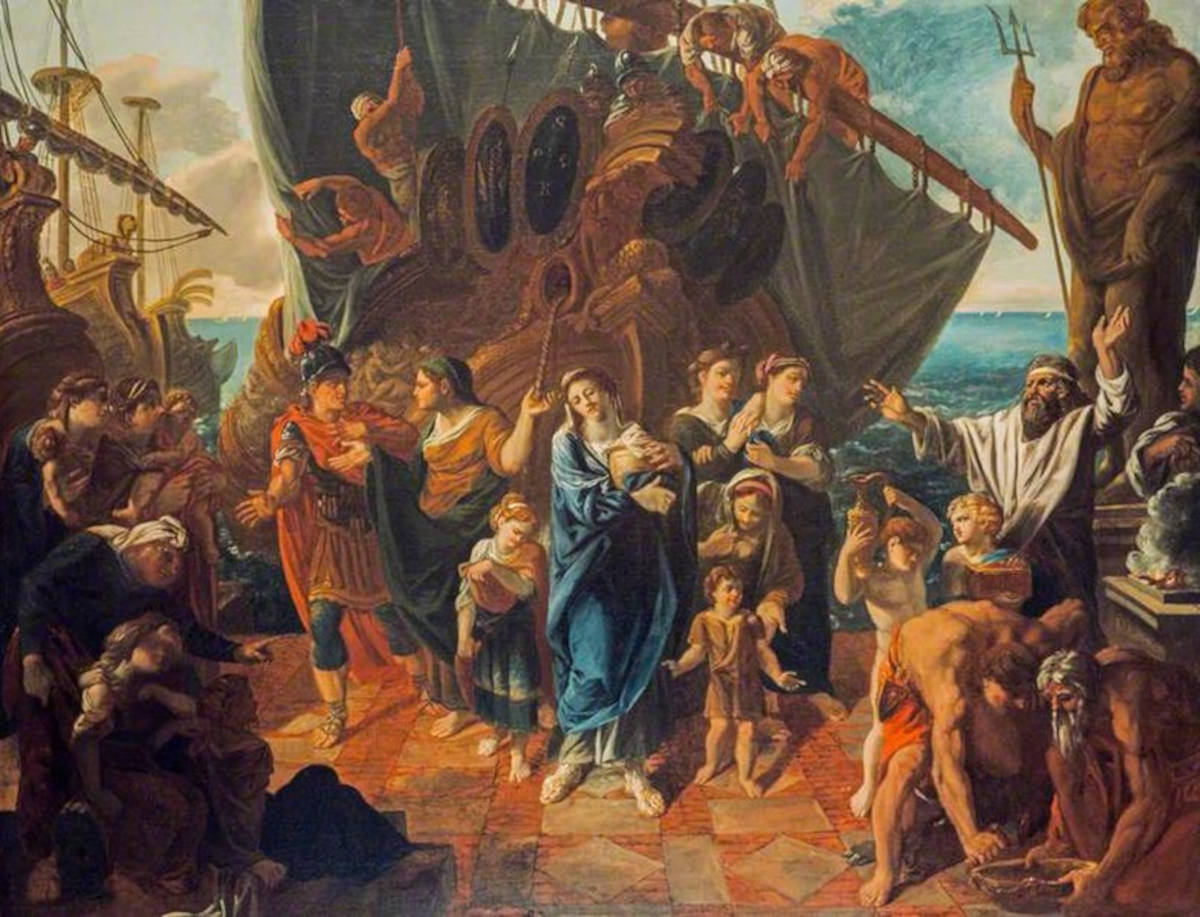
Long before her boat docked at the port of Brundisium in the winter of 19 CE, Vipsania Agrippina, more widely recognized as Agrippina the Elder (14 BCE- 33 CE), might have known that the mourners would come. Like a perfectly choreographed event—and many believe it was—the waterfront was packed elbow to elbow with people standing for hours or even days as they lined the city walls. The boldest of them were perched atop unstable rooftops, all to catch a glimpse of her. Adored and admired, she was beloved by her compatriots.

Before apocryphally rolling out of the carpet and stepping into legend, Cleopatra (69 BC-30 BC) already had a storied past. The 21-year-old and her 13-year-old brother-husband Ptolemy XIII (62 BC-47 BC) ruled together for nearly two years before said brother, influenced by overly ambitious advisors, banished Cleopatra from Alexandria. Prudently using her mastery of the Egyptian language—the first Ptolemy to do so in the nearly 300-year-old dynasty—Cleopatra raised an army to defeat her brother, Ptolemy XIII. It was only shortly thereafter that she had the legendary encounter with Caesar. Yet most of what has been written about Cleopatra concerns her entanglement with ancient Rome—that is to say, it was written from a decidedly biased Roman perspective. Time and again, we

Before apocryphally rolling out of the carpet and stepping into legend, Cleopatra (69 BC-30 BC) already had a storied past. The 21-year-old and her 13-year-old brother-husband Ptolemy XIII (62 BC-47 BC) ruled together for nearly two years before said brother, influenced by overly ambitious advisors, banished Cleopatra from Alexandria. 

Recent comments