Mark A. Carpenter

Profile picture for user Mark A. Carpenter
Mark A.
Carpenter

My name is Mark-Andrew Carpenter and I’m an emerging author, filmmaker, and rogue cultural anthropologist based in Baltimore Maryland, U.S. I studied archaeology until I discovered that they were not practicing objective science. Before abandoning the program, I did take advantage of the archaeological program’s internship involving excavations/digs of Maya temples on the Yucatan Peninsula. After becoming disillusioned with the program, I traveled to Hawaii exploring the many islands and participating in another, similar, archaeological internship with identical results.  At that point, I transferred to Stevenson University, seizing a merit scholarship here in Maryland, changing my focus of study to an interdisciplinary degree in anthropology and religion. Following graduation, I determined I needed to master the craft of creative writing in order to intellectually liberate/express myself. My quest now is to write in multiple mediums (fiction, nonfiction, and screenwriting) in order deliver ideas and question the conventional human history/origin narrative to the widest possible audience.

In the autumn of 2019, I entered and won the Toast Among Ghosts (short horror fiction) writing contest, sponsored by Baltimore County Public Library, with my piece “Maui Mark and the Night Marchers.” https://www.foundationforbcpl.org/events/a-toast-among-ghosts/
Member for

6 years 2 months

View Recent Blogs

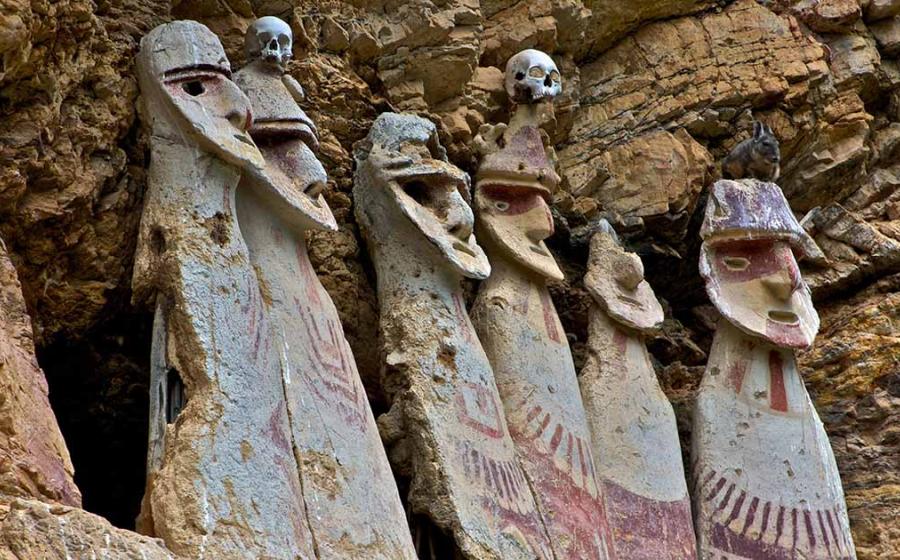
Over a thousand years ago, in the mists of the cloud forests of northern Peru, near the source of the mighty Amazon River, the Chachapoya Cloud Warriors reigned supreme. Long before the emergence of the Inca State, these mysterious, shamanic warlords ruled a vast swath of the Andes before being defeated by the Inca, abandoning their great citadel and vanishing into history. In recent decades, additional archaeological evidence has come to light from two primary sources, the fortress city known as Kuelap, and the cliff face necropolis at the Lagoon of the Condors which contains the Chachapoya mummies. Because these cultures left no written records (that we’re currently aware of), the only sources of information relating to them were native
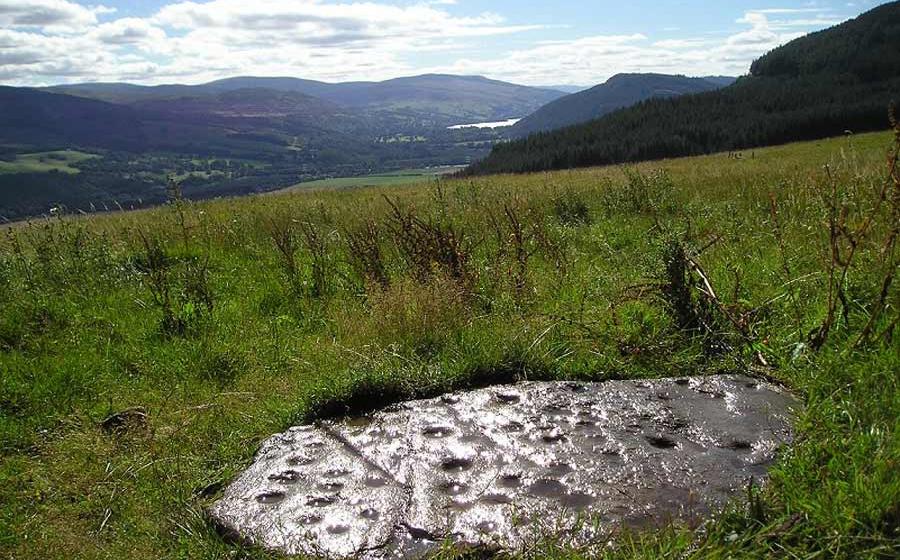
Within the rolling green hills of Scotland, slumber thousands of ancient stones bejeweled with mysterious glyphs. Across the proverbial pond, hidden in the great Appalachians of America’s North Carolina, a near identical stone sleeps near a mountain summit – the Judaculla Rock . How can it be that the same symbols appear in both Prehistoric Scotland and North Carolina? These symbols whisper a cryptic message to us from a forgotten time. Scholars and amateurs alike can only stare in wonder, scratching their heads and sputter myths and contradictory theories none of which have been satisfactorily explained. Native Americans, Vikings, vanished races of giants, and early Christian explorers have all been proposed and rejected. But the fact remains, somebody in the
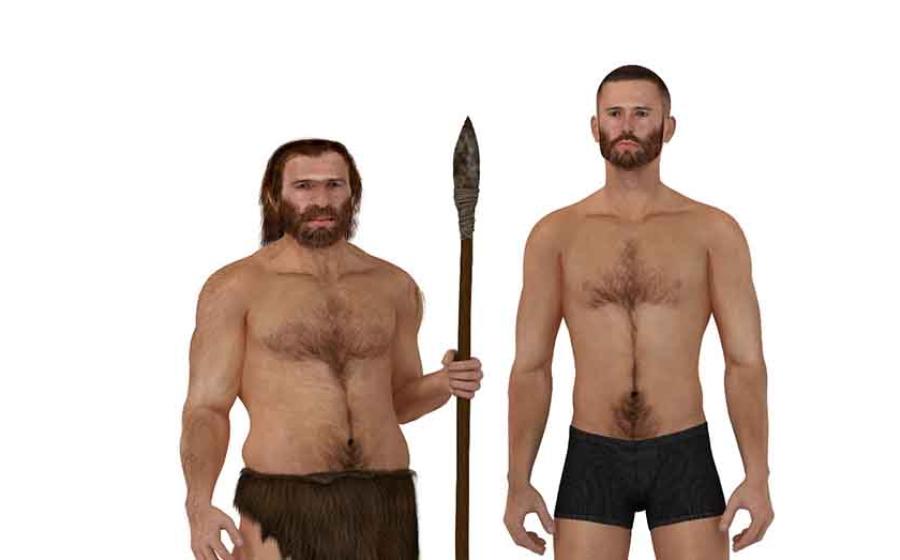
In the mid-nineteenth century AD, researchers and explorers began finding bones in the remote caves of Europe. At first, they believed these to be no different than modern human skulls, but as the specimens began to stack up, anthropologists became interested, realizing that these remains were distinct from modern humans. Then began the tragic intellectual drama of preconception, misconception, reconceiving, and back to misconception of the human species we know today as Neanderthals. A quick internet search of Neanderthal images yields not only a good laugh, but also the radical shift in perceived Neanderthal appearance, with their initial images resembling a Darwinian ape-man/ Planet of the Apes extra, and the modern depictions a small, only slightly apish human with a
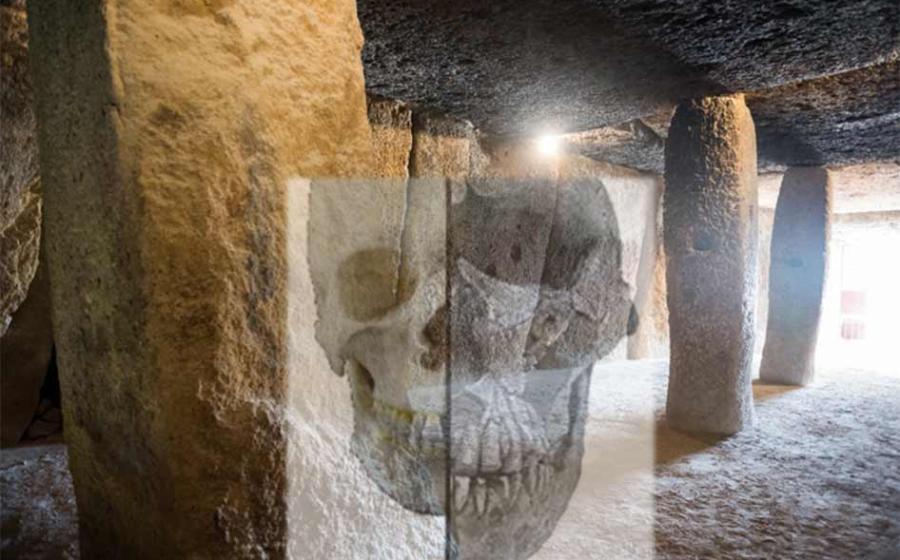
At the southwestern tip of Eurasia, the geological cul-de-sac known as the Iberian Peninsula resides. With the majestic Pyrenees Mountains to the north, and the Pillars of Herakles at the Strait of Gibraltar to the south, this peninsula contains a piece of France and all of both Spain and Portugal. It also contains one of the highest concentrations of hominid sites on the planet. These are mostly Neanderthal sites dating back over 10,000 years. Clustered in almost perfect correlation to these sites is another ancient concentration - a trove of dolmens. These hominid sites and enigmatic megaliths are wellsprings of both scientific enlightenment and mythological beauty, emanating data and lore respectively. Perhaps by reconciling these seemingly opposed paradigms, fresh clues
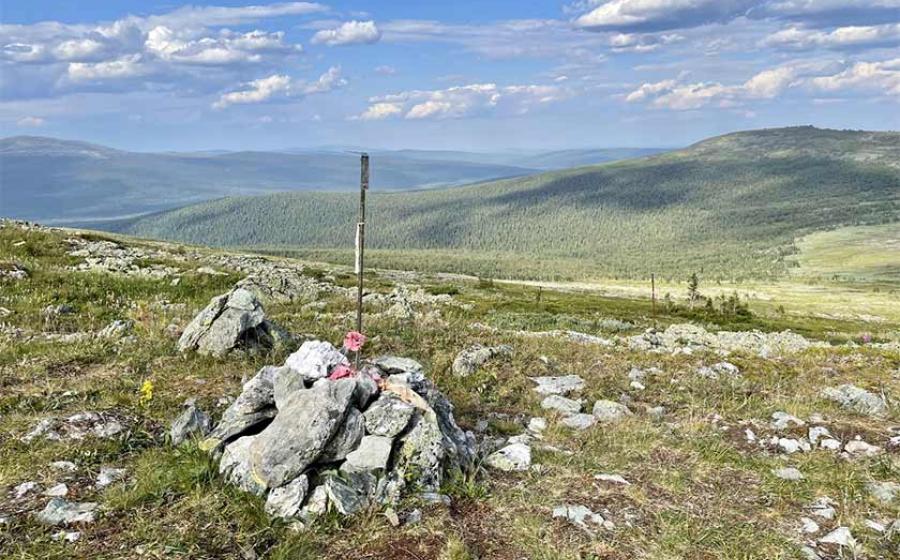
The Dyatlov Pass incident is one of the most enduring mysteries of the twentieth century. In 1959, nine young explorers perished in Siberia’ s northern Ural Mountains. Ink has been spilt, books published, films shot, conspiracy theories hatched, and recent headlines claim to have finally solved the enigma. But have they? The questions arise from the vexing circumstances of the scene: the bodies were a far distance from their camp, they were mostly undressed, and some had bizarre, traumatic injuries. Clues might be found in the recent anthropological discoveries made in this most desolate and frigid wasteland. The Dyatlov Pass Incident: Death from Cold and Exposure The explorers’ camp was at the foot of their intended destination: Mount Kholat Syakhl
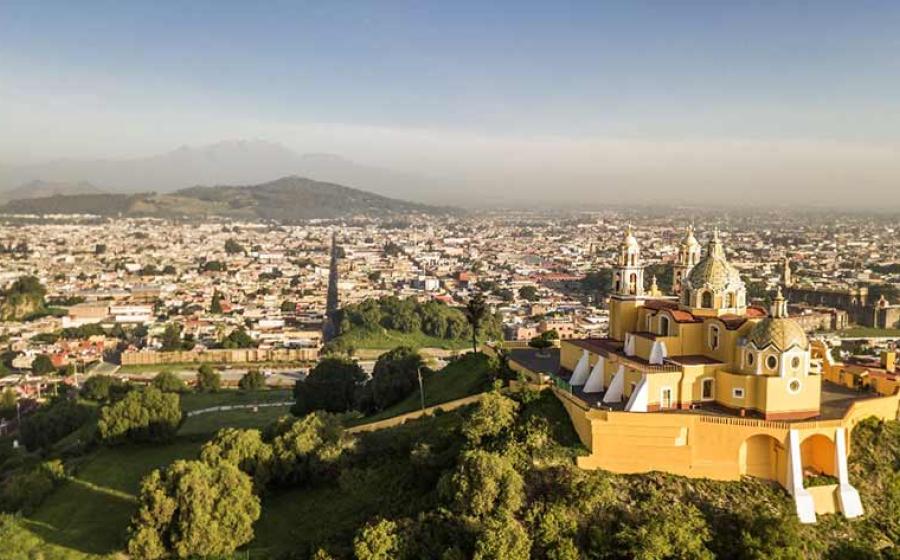
Within the Mexican State of Puebla, atop the ruins of a Pre-Columbian pyramid, stands the Convent of Cuauhtinchan. In 1891 AD, an ancient Aztec map was found concealed in the monastery. This exquisite artifact dates back to the time of the conquistadors and depicts a far older memory of pilgrimages, rituals, deities, sacrifices, sacred mountains, pyramids, subterranean structures, and overall, what appears to be the dawning of civilization in the region. Modern researchers utilizing x-ray and infrared photography have restored the vitality of the map and miraculously, the map depicts an accurate landscape survey, merging history and mythology, with cosmological alignment as its essential factor. Most mesmerizing of all, the map reveals the location of an enormous, hidden pyramid –
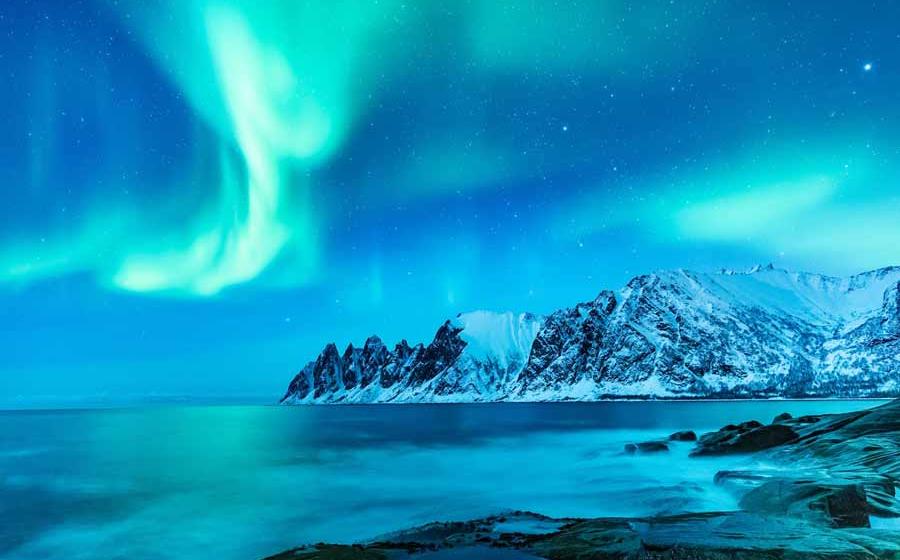
The Arctic Circle is the farthest northern of the five major circles of latitude on the planet. It marks the northernmost point at which the center of the noon sun is just visible on the winter solstice. During the summer solstice, the heart of the midnight sun is just visible at the southernmost point. Advances in technology are enabling scientists and researchers to discover new insights in this frozen, mysterious wilderness. Geneticists are using genomic studies to unlock DNA puzzles, paleontologists are unearthing once inaccessible dinosaur bones, and even common folk around the globe are using satellite imagery to transform our understanding of the origins of life within the Arctic Circle. [[{"type":"media","view_mode":"media_large","fid":"88591","attributes":{"alt":"Desolate landscape of Axel Heiberg Island within the Arctic
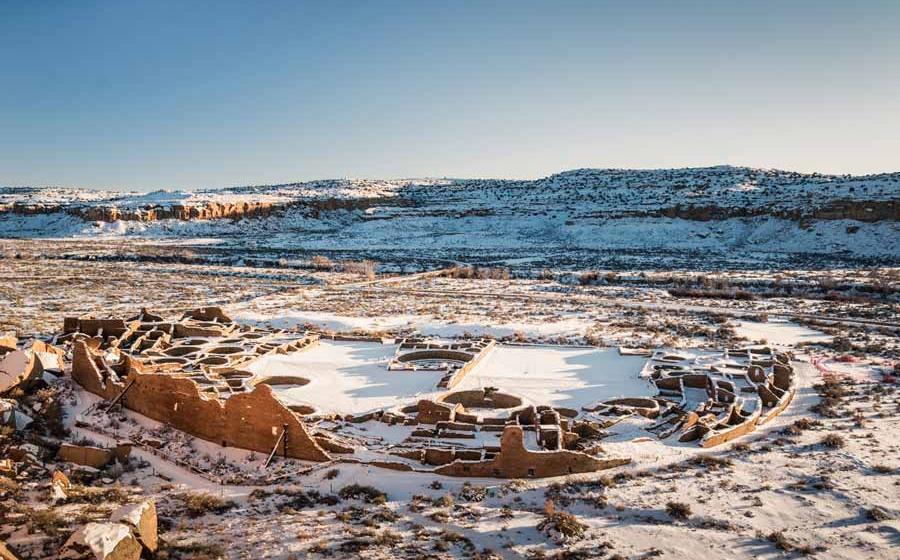
In the center of America’s Four Corners Region, Chaco Canyon is an arid, desolate place, sprinkled with the occasional, lonely juniper tree, cactus, or sage bush. Hundreds of mysterious, ancient structures haunt this canyon and the entire region, meticulously aligned along the paths of the Sun, Moon, and constellation Orion. Known as Chacoan Great Houses, these structures include sunken ceremonial chambers known as kivas, cliff dwellings, watchtowers, enormous facades, and long, massive “roads” that seem to lead nowhere. This culture emerged around 900 AD, but around 1100 to 1200 AD, the Great Houses were abandoned. Drought is frequently cited as the cause of the collapse and migration of this mysterious culture, but now the latest research casts doubt onto this
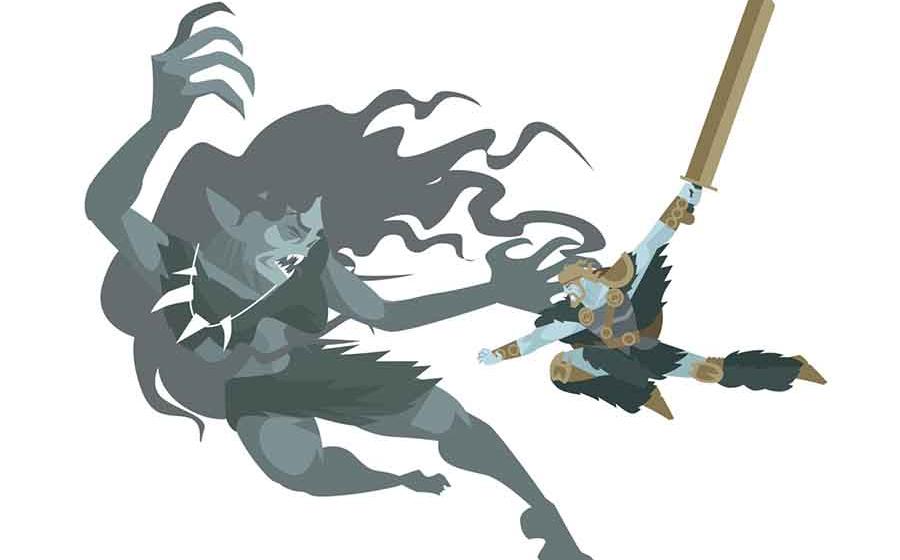
The 6th century epic poem Beowulf echoes as loud today as it did when it was written fifteen hundred years ago. Ink has been spilt, careers made, films produced, and academic wars have been waged in the analysis and interpretation of this monumental story. It is only fitting that this great tale of battle and glory, that blurs the line between history and legend, has itself become an intellectual battlefield. While one faction has sought, and found, archaeological evidence of historic validation, the other is entrenched in its position that the Beowulf epic holds little to no historical value, but is an exquisite literary metaphor about human corruption due to vanity, wealth, and power. But if the former faction is
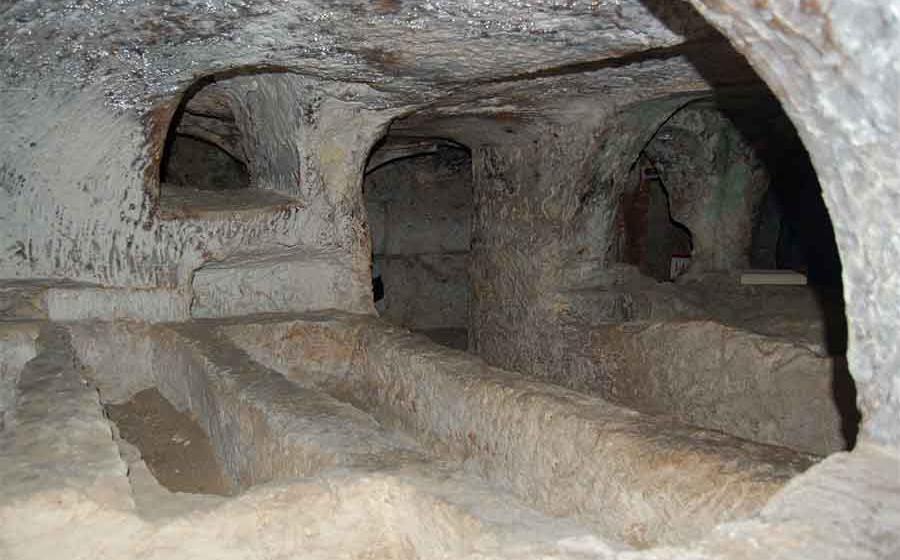
In July of 2016, seventeen-year-old Mike Mansholt, a tourist from Germany, vanished after setting out to explore the catacombs of Rabat on Malta, also known as the “Realm of the Dead”. Mike’s frantic parents raced to the island after Mike failed to arrive home. About a week after Mike’s initial disappearance, his remains were discovered near the highest point of the island under very strange circumstances. The discovery of Mike’s body marked the beginning of a surreal, two-year-long ordeal to return his remains home and to find answers about what happened to him. To this day, the Mansholts are still without those answers, and while there’s no shortage of theories, clues to this tragedy may be found in the ancient