Katrina Sisowath

Profile picture for user Katrina Sisowath
Katrina Sisowath

Katrina Sisowath, née Little, (1979--) was born in Frankfurt, Germany to an English father and American mother. Her formative years were spent in South-East Asia before returning to England to finish her studies. Deciding to follow in her father's footsteps, she enrolled in a University in China hoping to become a Mandarin-English translator. Visiting her father in 1999 who was living in Cambodia resulted in her meeting her future husband, settling down and opening a preschool. The couple have since chosen to return to England for their daughters' education.On a personal level, Katrina is an avid book reader and studies mythology, history (preferably together), ancient civilizations and anything to do with occult ideologies and practices. Mages, Serpent Priestesses and the 'real' Gods, aka the ANNUNAKI (the prototypes for those we know today in the form of Greek, Roman, Indian and even the Biblical characters) are all addressed on her website, with descriptions of Dragons, consciousness altering drinks and powders and what the scarlet clad priestesses really got up to in their sacred chamber'Serpent Priestess of the Annunaki', published by 5 Prince Publishing was released June 19, 2014, quickly rising up the Mythology charts, becoming a best-seller. A second book is currently in the worksYou can find her at: http://www.katrinasisowath.comfollow her on twitter at @ksDragoncourtor find her on facebook at

Member for

12 years 1 month

View Recent Blogs

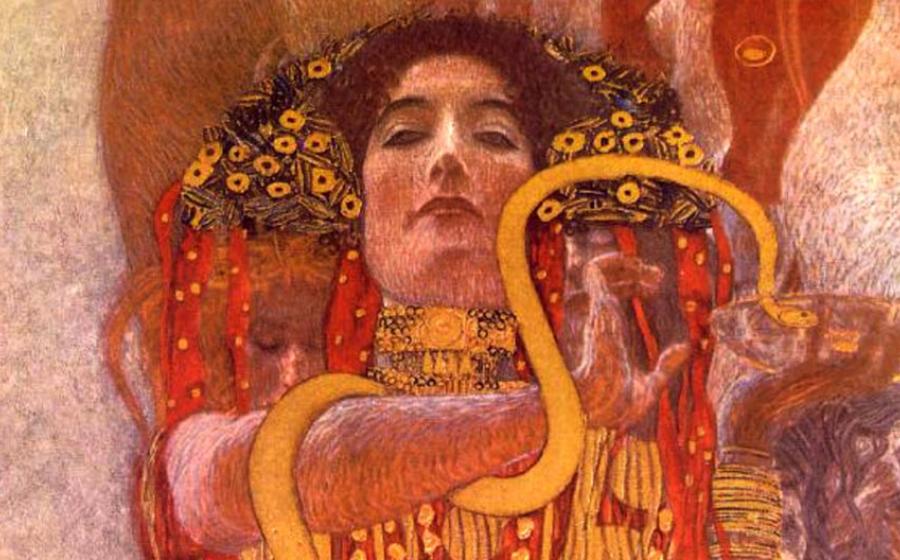
In mythology, the serpent symbolizes fertility and procreation, wisdom, death, and resurrection (due to the shedding of its skin, which is not akin to rebirth), and in the earliest schools of mysticism, the symbol of ‘The Word’ was the serpent. The ‘light’ that appeared was metaphorically defined as a serpent called ‘Kundalini’, coiled at the base of the spine to remain dormant in an unawakened person. Divinity or awakening one’s godhood and latent abilities came with the rituals and teachings brought by the serpent people. Slithering Through the Stories of Ancient Snake Deities: Serpent Gods of Ancient Mythology Australian Aborigine Creation Stories: Rainbow Serpent and Emus in the Star s The Serpentine Origins of Humanity To understand them, we must look
The tale of our creation we know from the Bible is only half the story—one which has been heavily edited. But have you ever wondered how god created male and female in his image? There are other sources that give alternate accounts, filling in missing details or answering questions raised by reading Genesis. The Jews wrote their religious texts while in captivity in Babylon, using the Sumerian and Assyrian tales of gods and goddesses as a basis, and then amending them to fit their own mythology and religion. It is in the Sumerian/Babylonian tales we find a different perspective on a well-known story. The Anunnaki – A Different Version of a Well-Known Story In ancient myth Enki and Enlil were
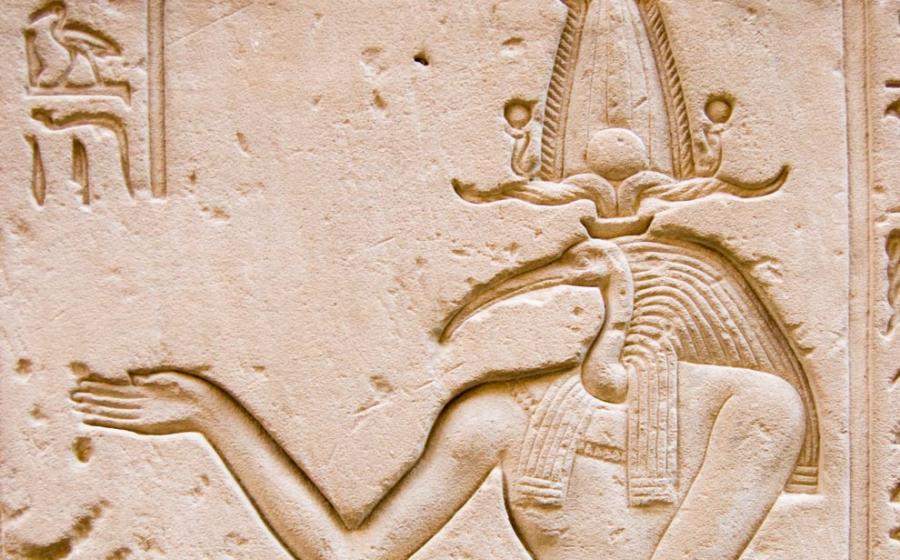
Thoth Hermes Trismegistus is portrayed by the Egyptians as the moon god with the body of a man, head of an ibis, and a crescent moon over his head. His symbol was the winged serpent staff. He was the god of wisdom, letters, and time. But he was not only known to the Egyptians. To the Sumerians he was Ningizzida; he may have been Enoch to the Jews, Odin to the Scandinavians, Wotan to the Teutons, and some even suggest Buddha. Before he was revered as a god, he was the first great Egyptian philosopher and founder of the Ancient Mystery Schools, receiving his wisdom while in meditative trances, writing over 40 books including (allegedly) the Emerald Tablet, The Book
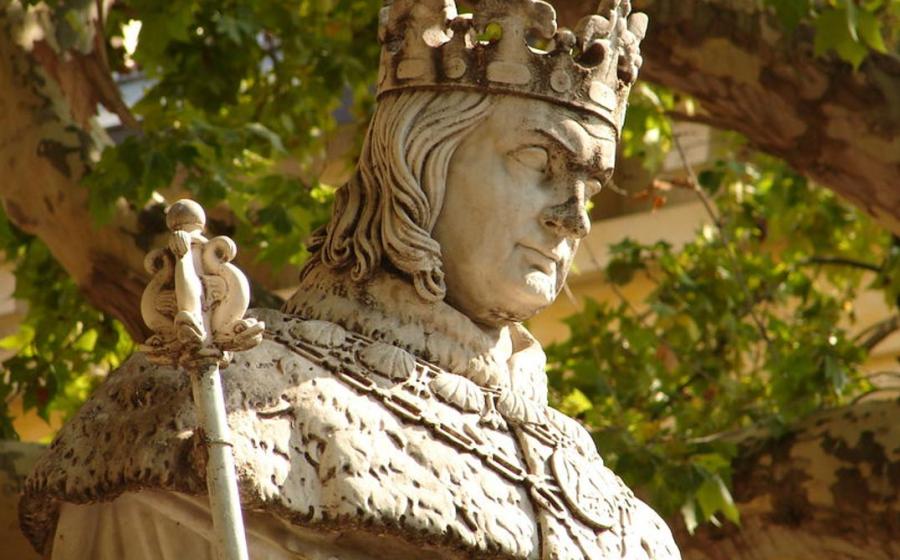
Ask someone of the most notable figures in the 15 th century and they may respond with: Jeanne d’Arc, Cosimo de Medici, Leonardo da Vinci, Christopher Columbus, or those involved in the War of the Roses in England. However, there is one figure that is less recognizable, and yet he is personally connected to all those figures and events. That man is Rene d’Anjou, or ‘Good King Rene’. A quick glance of his titles is enough to convince anyone that he held a significant amount of power, though some of his titles were titular, holding no real authority. He was: Count of Bar, Count of Provence, Count of Piedmont, Count of Guise, Duke of Calabria, Duke of Lorraine, Duke of
Named after the crocodile God Sobek, Sobeknefru, whose name means ‘she who shows the beauty of Sobek’, succeeded her brother to the throne of Egypt. At the time she came to power, the cult of Sobek had prominence in Egyptian society and following her example many of the pharaohs of the 13 th Dynasty felt it incumbent to take the name Sobek. Who was this God? Sobek was associated with the Nile crocodile and is either represented in its reptile form or as a human with a crocodile head. Sobek was also associated with power, fertility, and military prowess, but served additionally as a fiercely protective deity, which was invoked particularly for protection against the dangers presented by the Nile
Women robed in scarlet sheaths, conducting rituals associated with serpents away from prying eyes, serving Innana, the Goddess of Love, Fertility and War. The color of their clothes was symbolic of their power, but why was blood, particularly their menstrual blood, deemed powerful? Was it merely in acknowledgement of new life that the womb brings forth? Or were there specific uses for that blood? Blood has been a part of rites and rituals in many religions, stretching back to the dawn of man. Jesus himself claimed there was power in the blood—but why? What is it about this nutrient rich fluid that held the ancients enthralled? What Western society has viewed as evil in the form of Woman and the