John S. Richardson

Profile picture for user John S. Richardson
John S.
Richardson

From a very early age I had this interest in the subject of history, and as I grew older this interest in the past deepened. I was fortunate to be able to visit lands such as Egypt, Greece and Rome to explore and view the temples and cities that they built and lived in. When I moved from the City of Oxford north, I founded the Roman Living History Society, The Antonine Guard, as it was my aim to bring this part of history in the north alive. During this journey I have attended classes both at the British Museum in London and Oxford. In my travels I have met many people and while in Alexandria in Egypt I had a personal tour of the museum there, as the then curator had also studied at Oxford. My late father served in the Royal Navy so this also kindled an interest in the maritime ships of the past. I also served in the British Army in the Corps of the Royal Electrical and Mechanical Engineers.

My recent book, ‘The Romans and The Antonine Wall of Scotland’ is now available from Amazon.

Member for

6 years 3 months

View Recent Blogs

During the creation of the mighty Roman Empire, between 753 BC and 1453 AD, the Romans not only created the political institutions of Roman governance, but they also set up a series of legal principals and procedures. These set out the system of ancient Roman law, which would come to form the foundations of what would be used in both the Western and Eastern Roman Empire as their civilization expanded. There was at least one part of the Roman Empire that would not embrace these laws - the island of Great Britain, but otherwise most of Western Europe adopted the Roman legal system. These laws created by the Romans are known as Roman law and Civil laws. Such was the
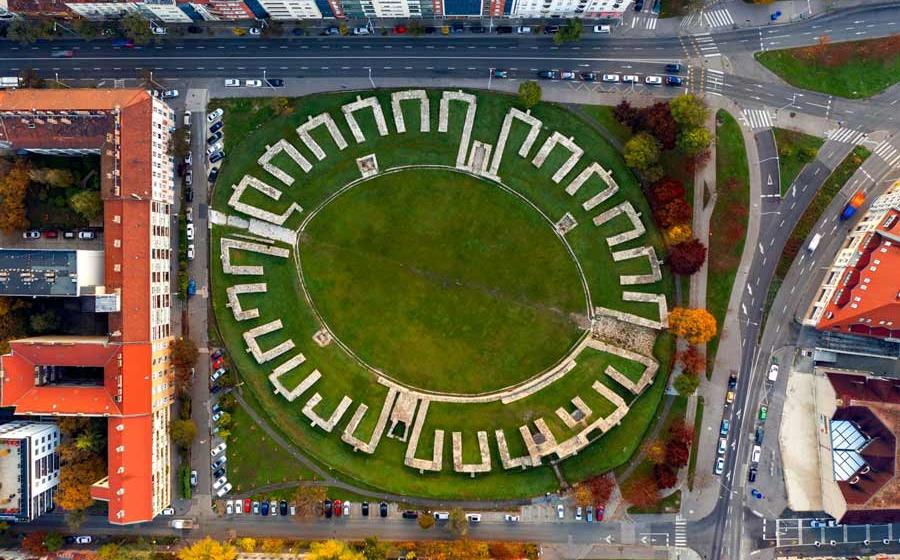
The ancient Roman city of Aquincum, now located under Budapest in Hungary, was once the capital of Pannonia on the northeastern border of the Roman Empire. From its strategic location on the banks of the Danube, its ruins are now one of Hungary’s main archaeological attractions. The determined effort of teams of archaeologists working over more than a century have uncovered its historic significance. From the remains of its impressive aqueduct, which ran where the busy roads of modern-day Budapest function today, to its amphitheaters and Roman baths, Aquincum acts as a reminder of the greatness of the Roman Empire. [[{"type":"media","view_mode":"media_large","fid":"85612","attributes":{"alt":"The location of Aquincum within the Roman Empire. (Public domain)","class":"media-image","height":"465","style":"width: 610px; height: 465px;","typeof":"foaf:Image","width":"610"}}]] The location of Aquincum within the Roman
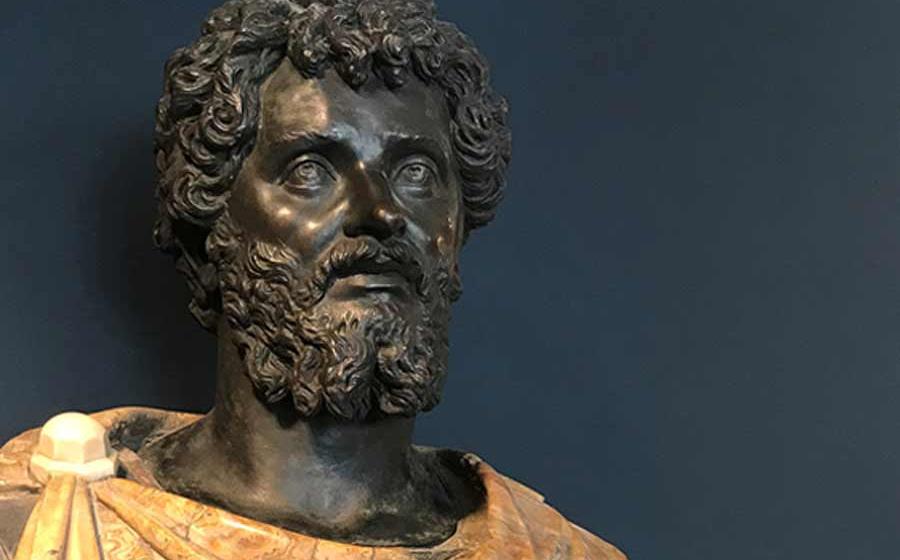
The Libyan-born Septimius Severus has gone down in history as the first African Emperor of Rome. With a thirst for power, he ruled the Roman Empire almost 2,000 years ago, declaring himself Emperor after the definitive Battle of Lugdunum in 197 AD. Obsessed with the dream of establishing a Severn Dynasty, at the end of his life he led a harrowing invasion of Caledonia (modern-day Scotland), marching north of the famed Hadrian’s Wall with an enormous army in his attempt to unify the British island under Rome. He finally died in York, having failed to achieve his objective and betrayed by his own son Caracalla. [[{"type":"media","view_mode":"media_large","fid":"84313","attributes":{"alt":"The Arch of Septimius Severus at Leptis Magna in Libya is a well-preserved Roman ruin
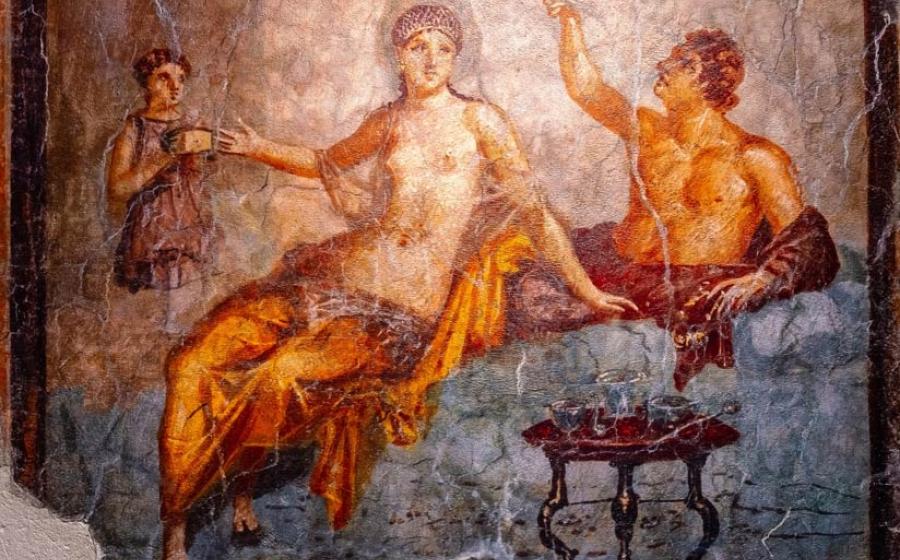
Living in the Mediterranean, daily life in ancient Rome revolved around the climate. Unlike the more northern Europeans of the past and today, the ancient Romans started their days early in the morning and finished work by the early afternoon, as it would have been much too hot to continue their work later into the day. Most fathers would go out early to set up their businesses for the day ahead, while the lady of household or her servants would use that time to attend to any domestic duties. Depending on the wealth of their parents, children would also need to get up early and dress in preparation for their tutor or parent’s lessons. What Kind of Clothes Did the
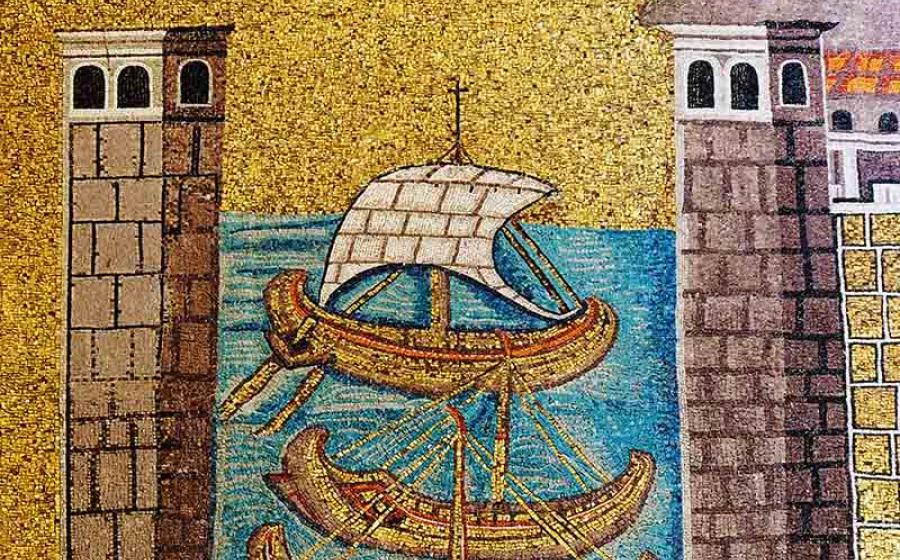
For almost 500 years, Classe was an important Roman seaport right up until the early Middle Ages. Protected by surrounding marshes, Classe was well placed for patrolling the Adriatic Sea, but the area has since filled with silt and become landlocked which has irreparably changed the shape of the coastline. Classe, the Ancient Port of Ravenna, and the Classis Ravennas In the time of Ancient Rome, the Port of Ravenna was known as Classe, which comes from the Latin classis, meaning fleet. Located to the south and east of the city of Ravenna itself, it was an extremely important commercial port for Rome, chosen for its strategic position as the base of the Roman Navy’s fleet known as the Classis
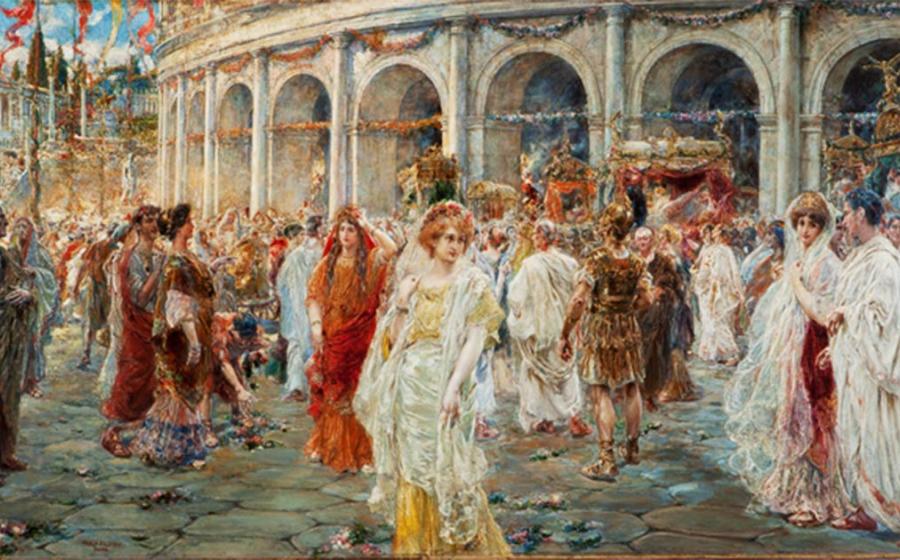
Ancient Rome was both a class-conscious state as well as strictly hierarchical. However, this did not rule out the opportunity for people to move between ancient Roman social classes. Before the 2nd century BC, class was not the only way that a Roman’s birth placed him or her in society. There were three social classes into which people would be placed in ancient Rome: Patricians, Plebeians, and at the lowest or bottom rung - slaves. There were also certain codes of dress and religious offices with their rituals that were normally associated with the Patricians. Wealth was also a very important factor, and in itself it created a huge difference for those with money, who could be found among the
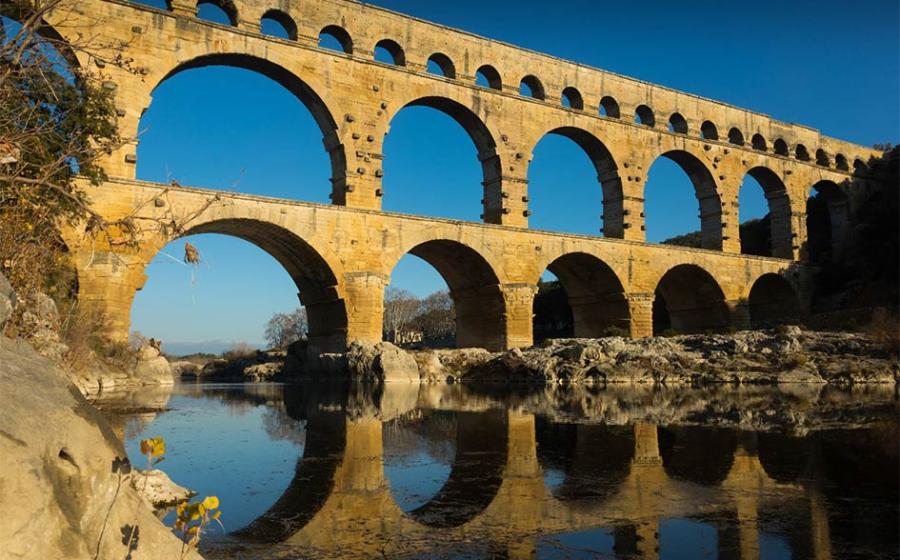
Ancient Roman engineers were able to construct many different kinds of remarkable structures which have stood the test to time. In many places around the world we can still see and admire their incredible knowledge of engineering and technology. This shows us that the ancient Roman engineers had a superb understanding of how to build a vast range of buildings - plus their famous aqueducts - which we still marvel at today. However, in order to understand the range of skills and technology available to the Roman engineers, it is necessary to recognize that they turned to the engineers who preceded them; to study their ingenuity and skills so that they could find ways to improve upon the skills and
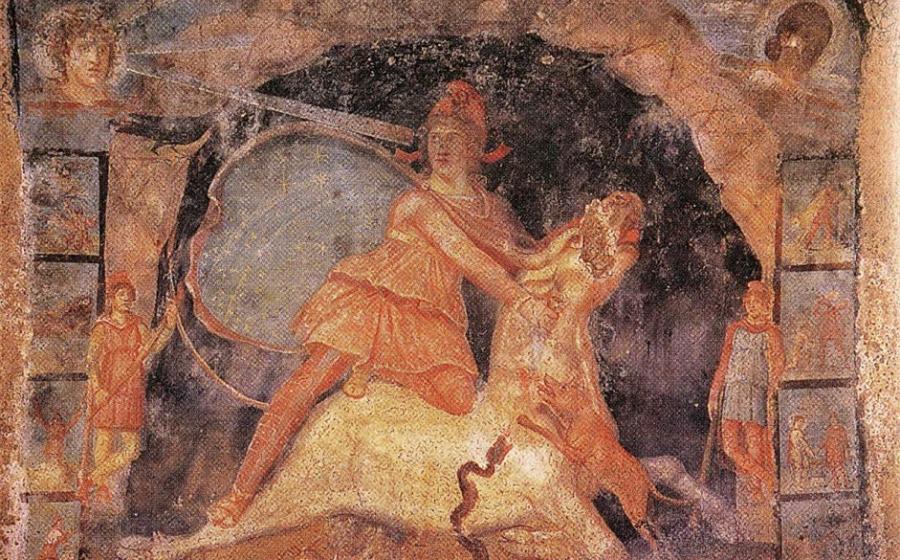
Mithras the god originated in the east, in Persia (modern day Iran) where he was first worshipped. When soldiers of the Roman Empire came back to the West they brought this cult with them and in time his cult worship spread throughout the Roman Empire, not only with the soldiers but also by the merchants who travelled into the land of the Persians. This was unlike the religion practiced by the Christians at this time, who allowed women to be involved, while the practice of the Mithras cult with it various ceremonies was for males only. This was part of its appeal to the soldiers of Rome. Such worship was carried out in fine temples adorned with marble sculptures to
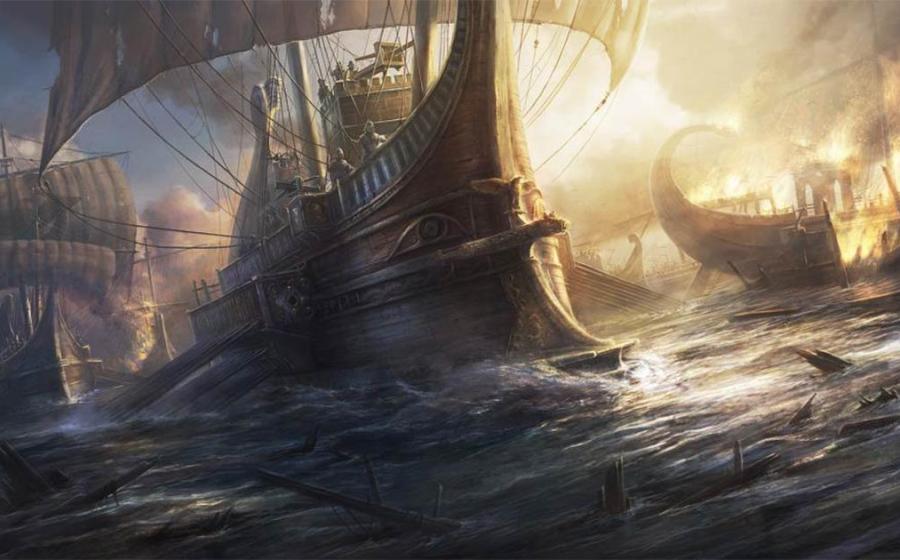
The Roman Empire is perhaps best known for its legions, which were famous for their ability to overcome even their greatest defeats. However, while the legions of Rome were the all-conquering land forces, we must also remember that by the time of Julius Caesar the Romans had also built up a formidable navy. The Roman Navy had control over the Mediterranean and surrounding waters. For evidence of the Roman Navy’s power, we can look to the main invasion of Britain under Emperor Claudius, who set Britain’s first great naval power, the Classis Britannica, in motion in 43 AD. This naval force was to become an important trading vehicle for imperial Rome, but it was also a very efficient fighting force