John McHugh

John
McHugh

John McHugh earned a Master’s degree from Brigham Young University (Provo, Utah, USA) with a dual emphasis on Near Eastern and Native American Archaeology (1999). He has extensive archaeological excavation and survey experience throughout Syria, Jordan, and the American Southwest. He specializes in Near Eastern and Native American archaeoastronomy as well as American Indian rock art and possesses reading knowledge of Sumerian, Akkadian, Ugaritic, Biblical Hebrew, Aramaic, Greek, and Qur’anic Arabic. He serves on the Board at the Utah Rock Art Research Association. He holds a valid teaching license and engages in educational outreach through the Utah Division of Antiquities and Smith Archaeological Conservancy. John is the lead archaeologist for the Utah Cultural Astronomy Project, which is committed to exposing and celebrated the wealth of scientific wisdom embedded in the religious cosmologies of Ancestral Puebloan peoples and their modern Puebloan descendants. 

His work has been read at the Society of Biblical Literature, and appeared on Good Morning America and National Public Radio (NPR). His current book, The Celestial Code of Scriptures (Monkfish Publishing), will appear in Autumn, 2021. Recent articles include: “The Mesopotamian Stellar Tableau that May Have Inspired Revelation 12:1-6,” European Journal of Science and Theology, Vol. 16, No. 6 (December 2020); “Losing Your Head over the Sun,” Ancient Origins (Sept. 2020, coauthored with Dr. John Lundwall). He lives in Salt Lake City, Utah, USA.

Member for

7 years 10 months

View Recent Blogs

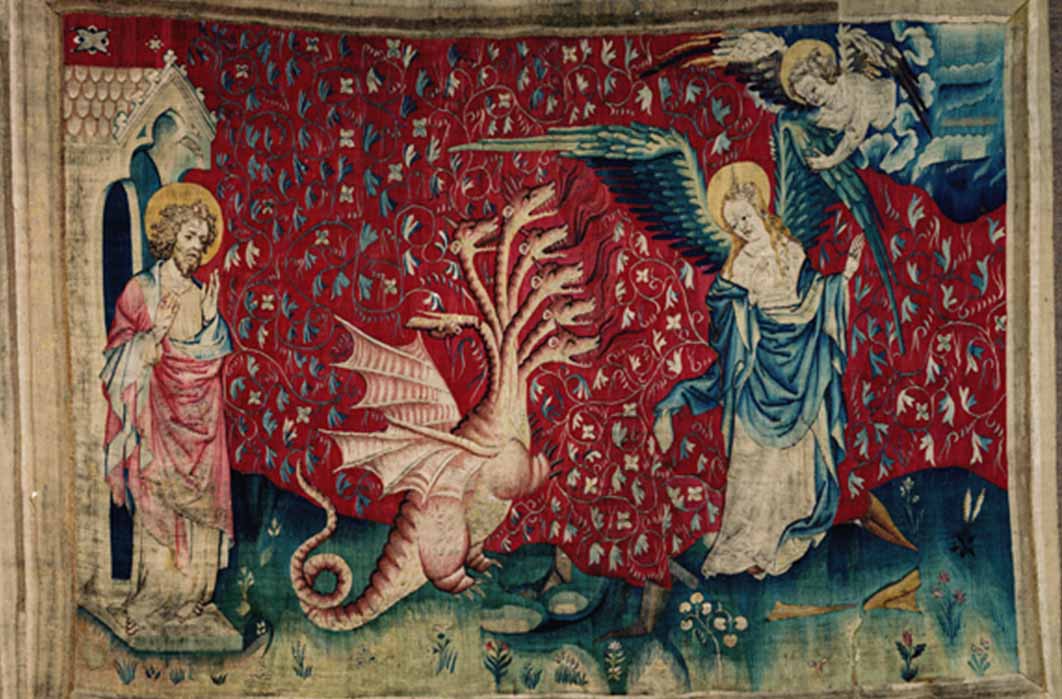
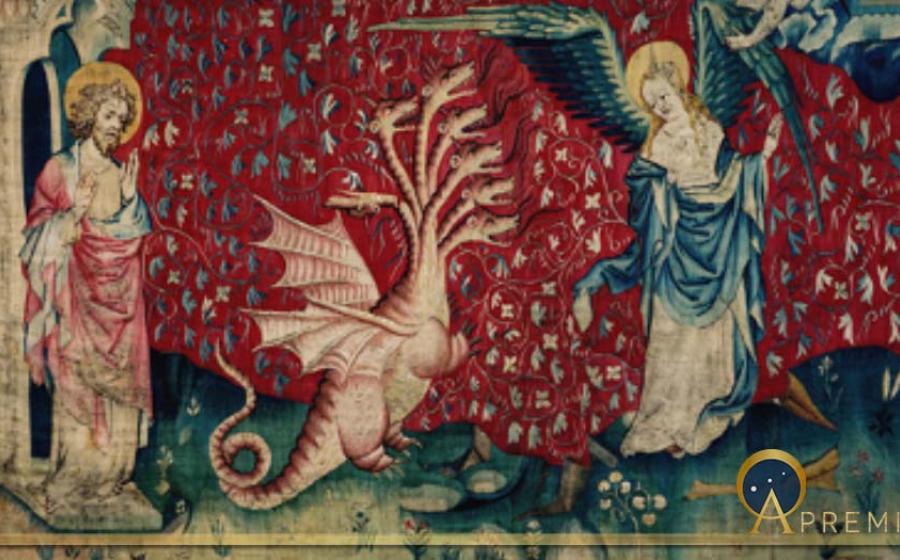
Comprehending the meaning behind the mysterious imagery in the Book of Revelation remains one of the most challenging facets of New Testament scholarship, and one scene in particular continues to confound theologians: the “Woman-Child-Dragon” vignette of Revelation 12:1-6: There a “ great sign was seen in heaven,” consisting of a pregnant woman crying out in labor, who is “clothed with the sun, with the moon under her feet, and on her head a crown of 12 stars.” Suddenly another sign appears, a “ great red dragon, with seven heads and ten horns, and seven diadems upon his heads.” After sweeping one-third of the stars of the sky to the earth with its enormous tail, the dragon stood before the woman

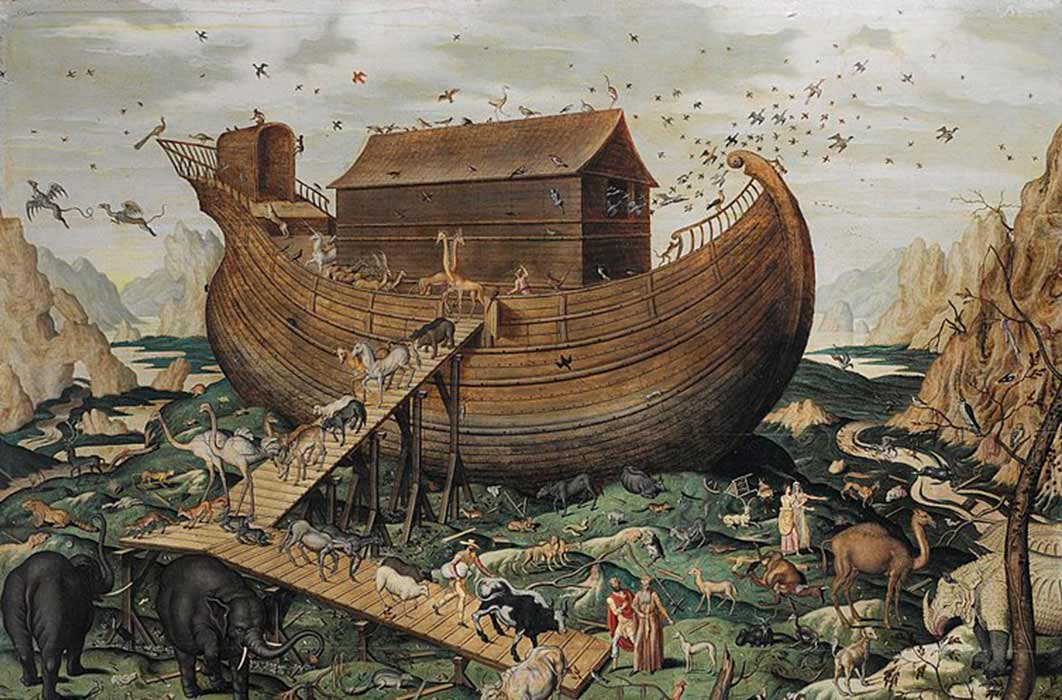
The story of a primordial, global Deluge popularized in the Noah’s Ark narrative endures as one of antiquity’s most baffling enigmas. Old Testament theologians unanimously agree that the Biblical Flood story is a sixth-century BC reworking of a narrative that originated in Mesopotamia. 

The story of a primordial, global Deluge popularized in the Noah’s Ark narrative endures as one of antiquity’s most baffling enigmas. Old Testament theologians unanimously agree that the Biblical Flood story is a sixth-century BC reworking of a narrative that originated in Mesopotamia. The first reference to a great Flood appears as a two-sentence factoid in the circa 2050 BC Sumerian King List. Yet the oldest, extent Flood drama—with a Deluge deity, flood hero, ark and denouement—does not appear for another three-and-a-half centuries. Modern scholars informally refer to this earliest Deluge drama as the Tale of Atra-Hasis after the name of the Babylonian flood hero ( Atra-Hasis, ‘Exceedingly-Wise’). The Tale of Atra-Hasis Flood Text was modified throughout the remainder of
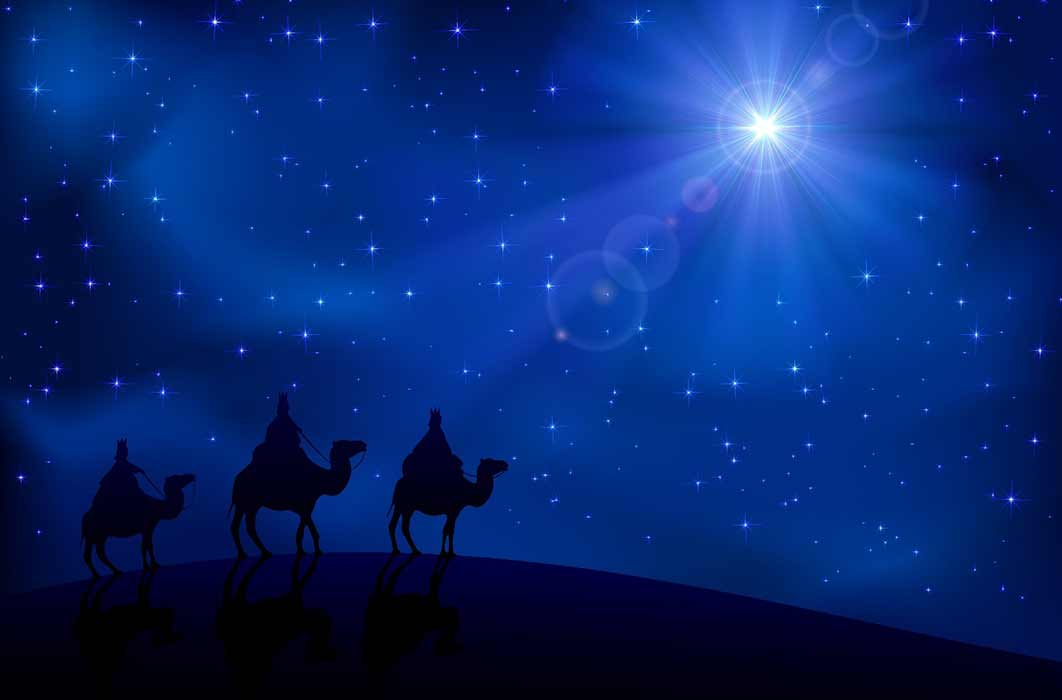
The ‘Star of Bethlehem’ described in the Gospel of Matthew remains one of astronomy’s greatest mysteries. Matthew 2:1-12 explains how magi or astrologer-priests observed the rising of a certain star which imparted that the ‘King of the Jews’ had been born. The star then makes a supernatural maneuver—veering from its mathematically preordained course and going “ before them until having come it stood over [the place] where the child was.” The magi then enter the Christ-child’s ‘house’ and found him with his mother, whence they present their iconic gifts of gold, frankincense, and myrrh. [[{"type":"media","view_mode":"media_large","fid":"92795","attributes":{"alt":"","class":"media-image","height":"460","typeof":"foaf:Image","width":"610"}}]] The Three Wise Men following the Star, Basilica of Sant’ Appollinare Nuovo, (526 AD) ( Public Domain ) The Gospel of Luke recounts an entirely
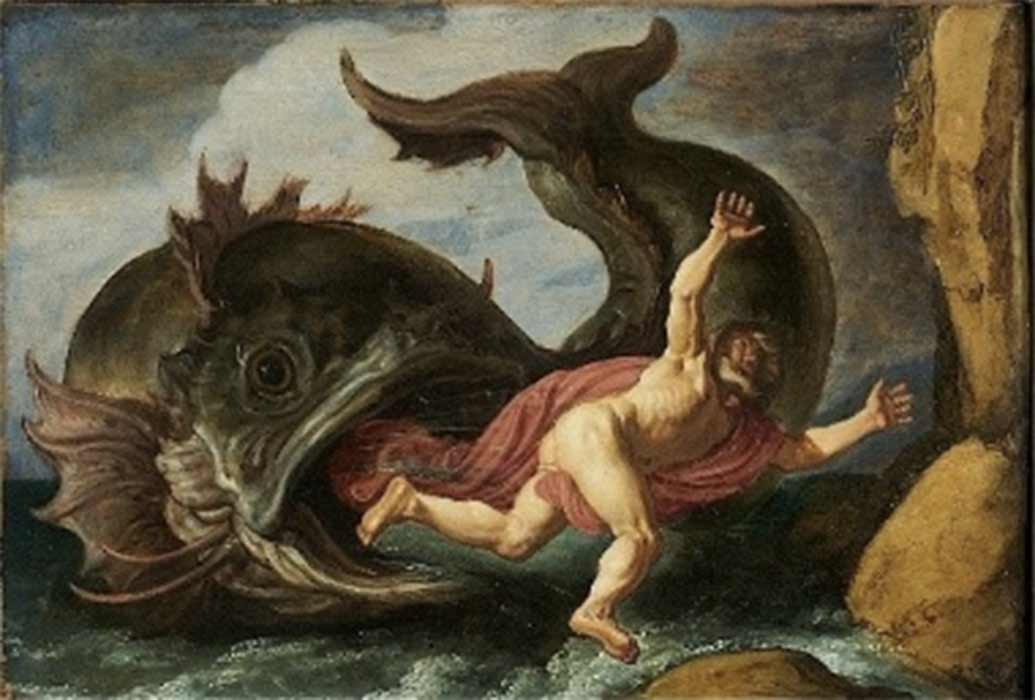
The Old Testament saga of Jonah and his dreadful, three day and night confinement within the “belly of a whale” and disgorgement onto the shore remains one of the Bible’s most enthralling mysteries. The delight this story’s iconic scenes engender in Sunday-school children yields to bewilderment in Christian theologians, serious New Testament scholars who know all too well that Jesus had referred to the ’Jonah’ narrative’s absurd chain of events as factual history in Matthew and Luke’s Gospels ( Matt 12:38-42; Luke 11:29-32). A critical piece of the enigma involves the creature that gulped Jonah. When first recorded around 400 BC, the Hebrew rendition of the story called it a dag gadol, ‘giant fish’. However, the 70 authors of the
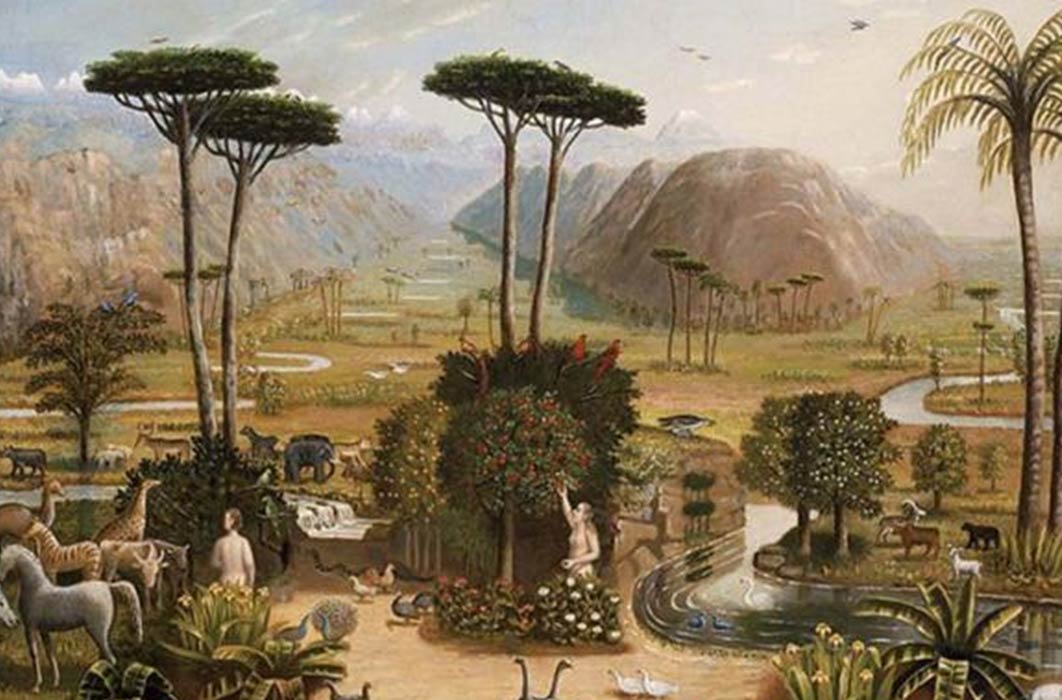
The historical existence of the Garden of Eden ( Genesis 2:4-3:24) remains a mystery. The Hebrew text depicts the Judaic Deity, Adam, Eve, and the villainous Serpent interacting within an intimate setting—Adam and Eve hearing God’s footsteps as he strolled through the Garden, then hiding from his sight, the Deity’s multiple conversations with the first man and woman, and the Serpent’s face-to-face dialogue with Eve. Yet the notion of imminent proximity is contradicted by geographical data in the same passage. [[{"type":"media","view_mode":"media_original","fid":"81538","attributes":{"alt":"Illustration to Paradise Lost\"... he [Satan] held on /His midnight search, where soonest he might finde /The Serpent: him fast sleeping soon he found ...\" by Gustave Doré (Public Domain)","class":"media-image","height":"700","style":"width: 564px; height: 700px;","typeof":"foaf:Image","width":"564"}}]] Illustration to Paradise Lost"... he [Satan] held