Clyde Winters

Profile picture for user Clyde Winters
Clyde Winters

Dr. Clyde Winters is an Educator , Anthropologist and Linguist. He has taught Education and Linguistics at Saint Xavier University -Chicago. Dr. Winters is the author of numerous articles on anthropology, archeogenetics and linguistics. His articles have appeared in the Journal of Black Studies, Proceedings of the National Academy of Science, Science, Bio Essays, Current Science, International Journal of Human Genetics, International Journal of Dravidian Linguistics, and Journal of Modern African Studies. Dr. Winters books include: African Empires in Ancient America, We Are Not JUST Africans : The Black Native Americans, Atlantis in Mexico: The Mande Discovery of America, Ancient Scripts in South America: The Sumerians in South America, and Archaeological Decipherment of Ancient Writing Systems, to name a few. Dr. Winters books can be ordered at Amazon com.

Dr. Winters has deciphered the Meroitic, Olmec and Danubian writing systems. His latest book is Archaeological Decipherment of Ancient Writing Systems. 
Member for

10 years 3 months

View Recent Blogs

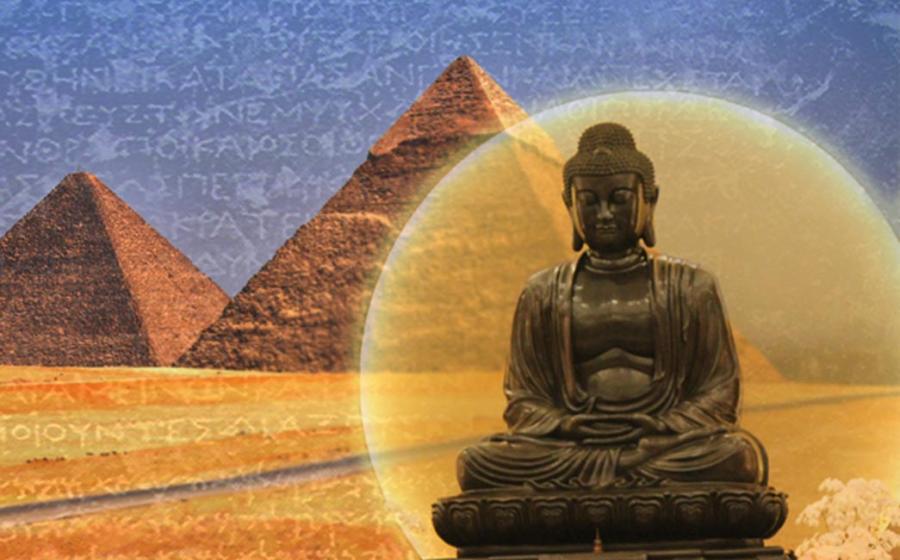
Did Buddhism exist in Upper Egypt and the Lower Meroitic Empire? The answer appears to be yes. It was in Memphis that English Egyptologist and archaeologist W. M. Flinders Petrie found evidence of Buddhist colony. [[{"type":"media","view_mode":"media_original","fid":"25326","attributes":{"alt":"Portrait of Sir William Matthew Flinders Petrie, 1903.","class":"media-image","height":"400","style":"width: 348px; height: 400px;","typeof":"foaf:Image","width":"348"}}]] Portrait of Sir William Matthew Flinders Petrie, 1903. ( Public Domain ) The Buddhist Colony Flinders Petrie claimed these Buddhists dated back to the Persian period of Egypt (circa 525-405 BC). He wrote: "on the right side, at the top is the Tibetan Mongolian, below that the Aryan woman of the Punjab, and at the base a seated figure in Indian attitude with the scarf over the left shoulder. These are the first remains
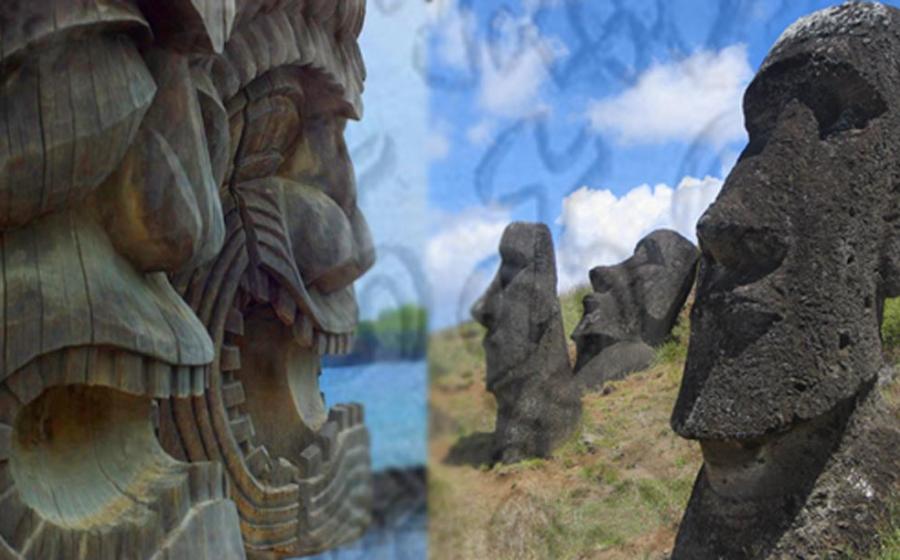
In 2016 two tourists found engraved petroglyphs on a Hawaiian Beach. This was an important find because it suggested that the ancient Polynesians had a common writing system which was used from Hawaii to Easter Island. These inscriptions were accidentally found on the coastline at Waianae, Oahu Island by Lonnie Watson and Mark Louviere of Ft. Worth, Texas. The petroglyphs were only seen after sunlight illuminated the signs along the shoreline for a limited period of time. The Waianae signs are dated several hundred years before Europeans reached the Hawaiian Islands. The Rongorongo Script The Waianae petroglyphs are interesting. They resemble the inscriptions on the Rapa Nui Tablet of Easter Island, in a script we call Rongorongo. [[{"type":"media","view_mode":"media_large","fid":"25830","attributes":{"alt":"The Rapa Nui
In 2016 the World Wide Web was all abuzz with Google Earth images of Antarctica that appear to show pyramids in the icy landscape. The images show what appears to be three pyramids with four sides similar to the famous Giza pyramids in Egypt. Could these be authentic man-made pyramids created by an ancient civilization? Who Made the Antarctica Pyramids? There are numerous theories about the origin of these pyramids. Some of the more controversial suggestions are that the pyramids were remnants of an earlier Atlantean civilization in Antarctica, or that they were built by extraterrestrials. Other researchers have suggested a natural geological explanation for the Antarctica pyramids. These scientists have proposed that the “pyramids”, may actually be nunataks. Nunataks
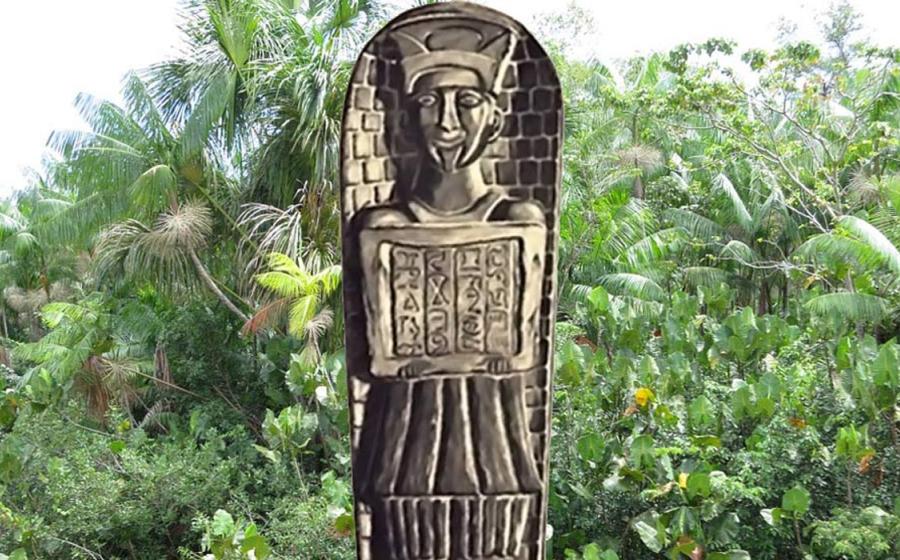
In 1310, Malian explorers led by Mansa (King) Abubakari set sail to discover new lands across the Atlantic. A mysterious statuette was left by these ancient explorers in the Brazilian jungle. Eventually linked to the famed explorer Percy Fawcett, the artifact known as the Brazil Tablet provides intriguing evidence for a possible colony set up centuries ago by the forgotten seafarers. Over the past few months we have learned much about these early Malians in the New World. William James Veall in Sea-Farers from the Levant: Do Ancient Inscriptions Rewrite History of the Americas? - Part 2, published on Ancient Origins, provides a detailed discussion of the Mande inscriptions left by Abubakari and his followers along the coast in South
It is becoming increasingly clear that the Sumerians had established a colony in South America called Kuga-Ki. Kuga-Ki was the "Tin Land of the West" or the "Sunset Land", in Sumerian inscriptions. [[{"type":"media","view_mode":"media_original","fid":"47860","attributes":{"alt":"","class":"media-image","height":"700","typeof":"foaf:Image","width":"589"}}]] Sumerians in South America The Sumerians left several inscribed artifacts in South America. The Pokotia monument and the Fuente Magna bowl were written in linear Sumerian. The fact that the writing existed on the Fuente Magna Bowl, and Pokotia monument in Sumerian, and the identification of Sumerian place names on the Altiplano suggest that Ecuador to Bolivia, was Kuga-Ki. Researchers have suggested that some of the Gold tablets in the Crespi Collection may also be written in linear Sumerian. Father Carlos Crespi Croci collected thousands of artifacts
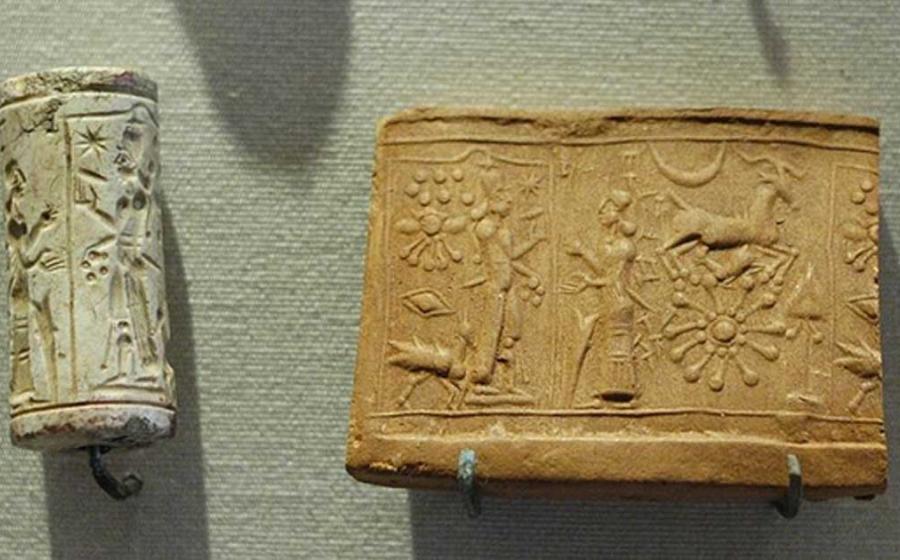
In a recent article on Ancient Origins, Jason Jarrell and Sarah Farmer discussed the possibility that Zecharia Sitchin mistranslated several Sumerian Texts. According to Sitchin, there were a number of Sumerian seals that relate to the Anunnaki, whom he said came from the heavens to create man and enslave mankind to work in the mines. Although this is the opinion of Sitchin and his supporters, the Sumerian seals they cite as evidence for this enslavement relate to the simple worship of the gods by the Sumerians. These seals were actually talismans that were meant to encourage the Sumerian people to reflect on their gods and do good, no more. A careful translation of these seals indicate that they have nothing
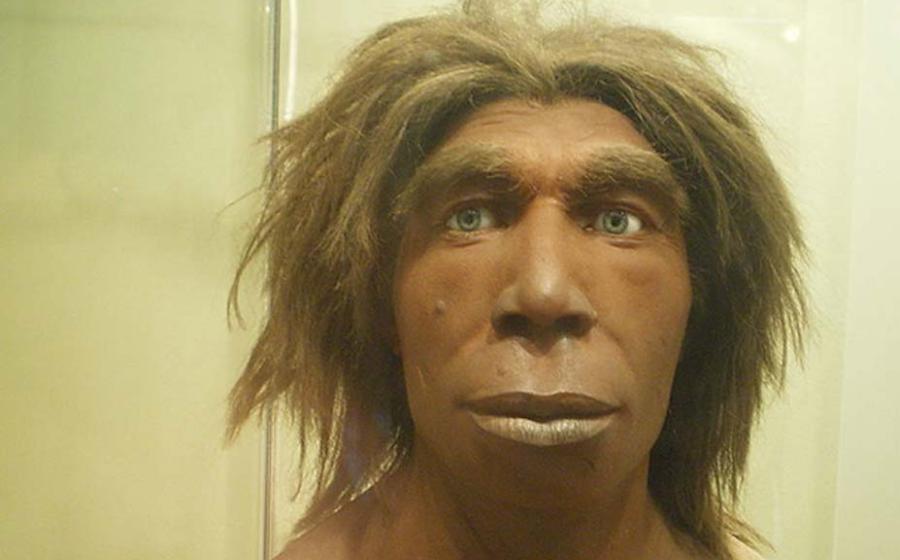
It has long been argued that Neanderthal derived DNA is found in all non-Africans. As a result, it has been assumed that Africans fail to carry Neanderthal ancestry… even though Neanderthal skeletons have been found in North Africa at Jebel Ighoud and Haua Fteah. The Percentage of Neanderthal Ancestry in Africans The idea that Africans fail to carry Neanderthal DNA has recently been proven as wrong. Marc Haber, a British geneticist from the Wellcome Trust Sanger Institute in Hinxton, has found that the Touboo in Chad and the Amhara in Ethiopia carry Neanderthal genes. Whereas Eurasians carry ~2% Neanderthal ancestry, Ethiopians carry ~1% Neanderthal ancestry, and Central Africans carried ~0.5% Neanderthal ancestry. Haber maintains that Africans who carry Neanderthal DNA
“They were all young, well built and not black but fairer than the other natives I have seen in the Indies. They were handsome with fine limbs and bodies, and long straight hair cut in the Spanish manner, and round their heads they wore a cotton cloth elaborately patterned in colours which I believe to be almarzares (Moorish headdresses)”.- ‘The Four Voyages of Christopher Columbus’, translated and edited by J.M. Cohen The major seafaring group in Mexico were the Chontal Maya. They called themselves Putun. Much of what we know about the Putun seafarers comes from the research of Dr. Wiener, Peck, and Shatto. Shatto wrote a detailed Master Thesis on Chontal naval knowledge. The Chontal and Their Origins The
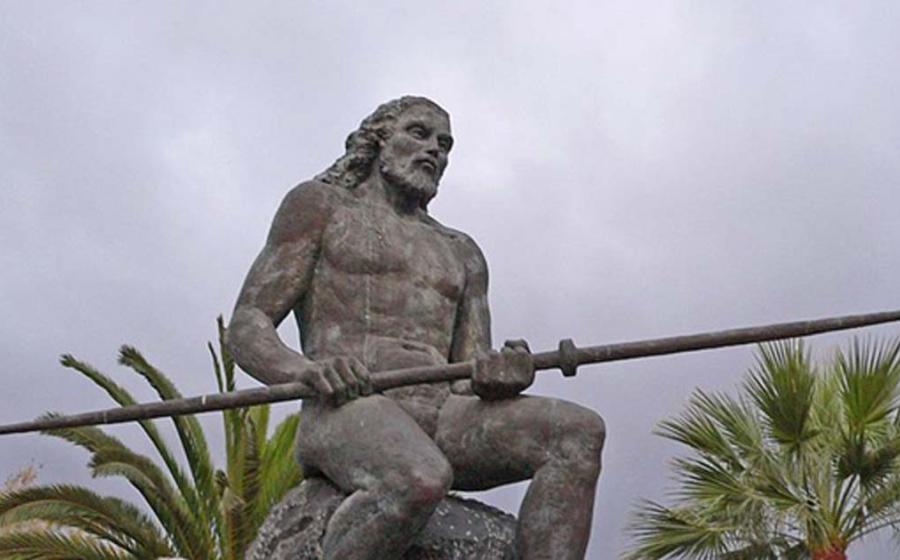
The origins of the first Canary Islanders is a mystery. When the Roman author and military officer Pliny the Elder wrote of an expedition to the islands he mentioned ruins of grand buildings, but nothing of the islands’ inhabitants. Perhaps inscriptions left by the ancient locals will tell something of their story? Before beginning this article, it is important to remember: The Canary Islands are in the Atlantic Ocean off the coast of West Africa. It is also important to note that the Guanches are a mysterious people who were sold into slavery and/or absorbed by the Spanish. Antonio Arnaiz-Villena of the University Complutense’s School of Medicine in Madrid, Spain believes that the ancient Iberians were Celts. Using Herodotus’ ‘
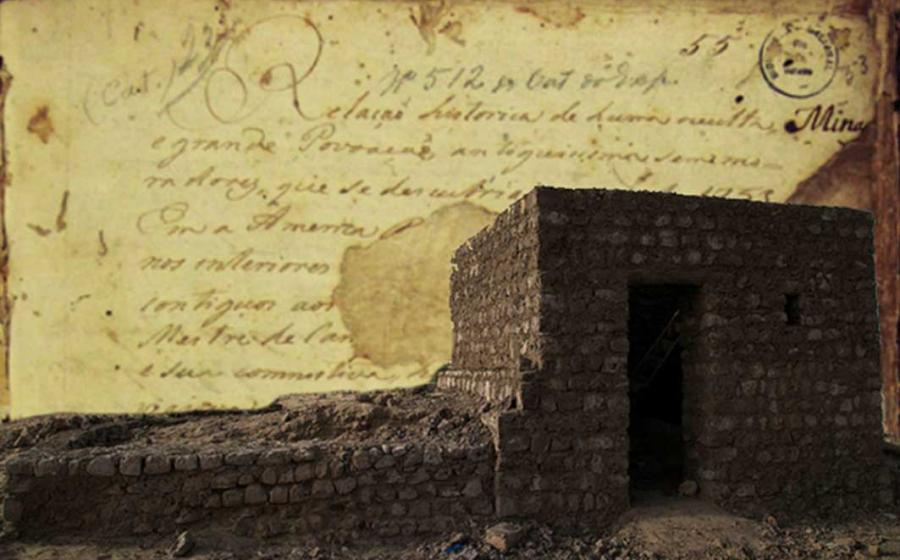
Almost 300 years ago Brazilian bandits stumbled upon a ruined city. It was such an intriguing site that the city was eventually described in ink. This text became known as Manuscript 512 – a document steeped in mystery and legend. In ‘Mysteries of Ancient South America’ Harold T. Williams published several ancient inscriptions found in Brazil by Portuguese bandits. Some of the most interesting examples come from Manuscript 512. This manuscript was found in Rio de Janeiro’s Brazilian National Library and was written in 1753. It details the discovery of a ruined city made of stone and located in eastern Brazil. [[{"type":"media","view_mode":"media_original","fid":"38741","attributes":{"alt":"Manuscript 512 from Jason Colavito, 2014. (Author supplied)","class":"media-image","height":"700","style":"width: 472px; height: 700px;","typeof":"foaf:Image","width":"472"}}]] Manuscript 512 from Jason Colavito, 2014. (Author supplied)