Brien Foerster

Profile picture for user Brien Foerster
Brien Foerster

Brien Foerster was born in Rochester, Minnesota, U.S.A. but grew up on the west coast of Canada. At age 11, he became fascinated with the Native art of the Haida native people, and began carving totem poles, and other related art forms, learning from Native teachers. After completing an Honours Bachelor Of Science degree, Brien decided to take up carving and sculpture full time, at the age of 25. This included the creation of 13 full size totem poles, dugout canoes, masks, bowls, boxes and other Native style works. In 1995 he moved to Maui, Hawaii, and was hired as assistant project manager for the building of the 62 foot double hull sailing canoe (ancestor of the modern day catamaran ) Mo’okiha O Pi’ilani ( Sacred Lizard That Pierces The Heavens. ) This project lasted 2 years. There, having learned how to make Hawaiian outrigger canoe paddles from master carver Keola Sequiera, he started an online outrigger paddle business, which flourished internationally.

Peru became his next major area of interest. The study of the Inca culture led to his writing a book, A Brief History Of The Incas, which is available on his website, .

He has become an authority on the megalithic works of South America and the perplexing ancient Elongated Headed people of the area, and divides his time between Paracas and Cusco, Peru.

Website: 

Facebook: 

Youtube Channel: 

Member for

12 years 7 months

View Recent Blogs

Most people know of the great construction achievements of the dynastic Egyptians such as the pyramids and temples of the Giza Plateau area as well as the Sphinx. Many books and videos show depictions of vast work forces hewing blocks of stone in the hot desert sun and carefully setting them into place. However, some of these amazing works could simply not have been made by these people during the time frame that we call dynastic Egypt. Up until the 7th century BC there was very little iron present in Egypt, as this material only became commonly used once the Assyrians invaded at that time; in fact, the ancient Egyptians regarded iron as an impure metal associated with Seth, the
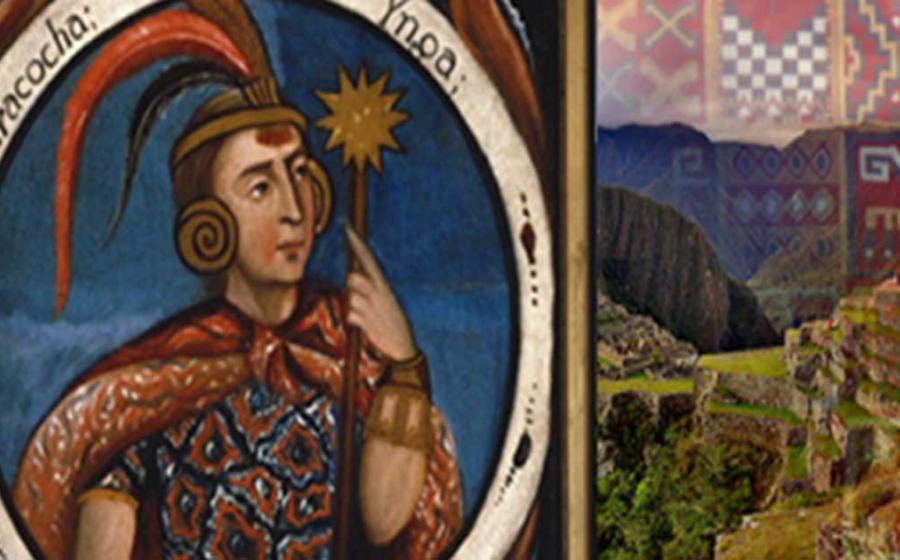
According to most historical accounts, especially those collected by the early Spanish chroniclers of the 16th century, and just after the destructive efforts of the conquistadors, the Inca were believed to have originated in the area of Lake Titicaca, south of present day Cusco, Peru. More specifically, archaeological evidence suggests that the Inca developed as a cohesive group on the Island of the Sun and Island of the Moon on what is today the Bolivian side of Lake Titicaca, as well as the nearby town of Copacabana. This is thought by many scholars to have begun around 100 BC to 100 AD. [[{"type":"media","view_mode":"media_large","fid":"41705","attributes":{"alt":"Lake Titicaca, Peru (Public Domain)","class":"media-image","height":"408","style":"width: 610px; height: 408px;","typeof":"foaf:Image","width":"610"}}]] Lake Titicaca, Peru (Public Domain) Over the course of the
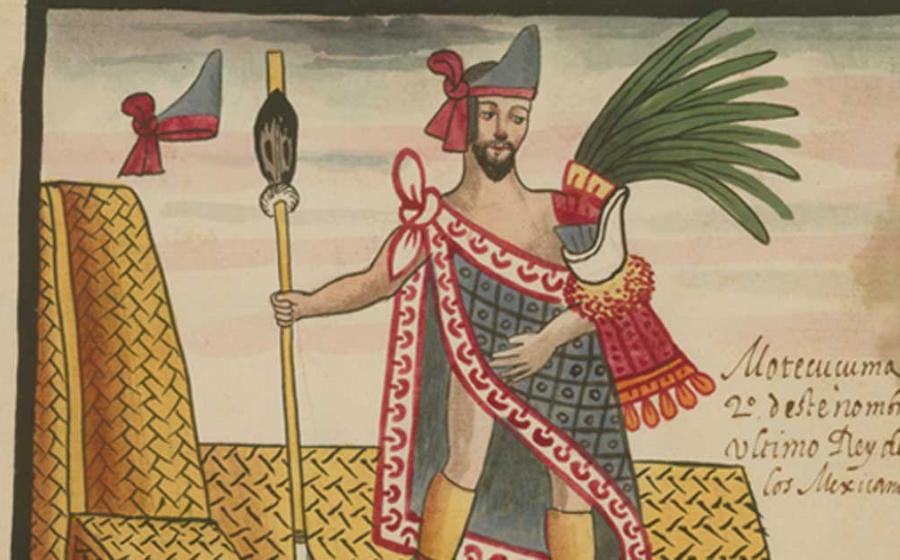
It is claimed by some authors that white missionaries or "gods" visited America before Christopher Columbus. Authors usually quote from mythology and legends which discuss ancient gods such as the Mexican Aztec’s Quetzalcoatl to conclude that the legends were actually based on Caucasians visiting those areas, and that the Caucasians were really the gods. Rather than trying to account for all of the oral traditions in the Americas where accounts of foreign visitors in pre-Colombian times with physical characteristics quite unlike those of the local populations occur and where, this article will focus on a relatively small geographical area. Due to the author’s main area of expertise being that of the ancient people of what we now call Peru and
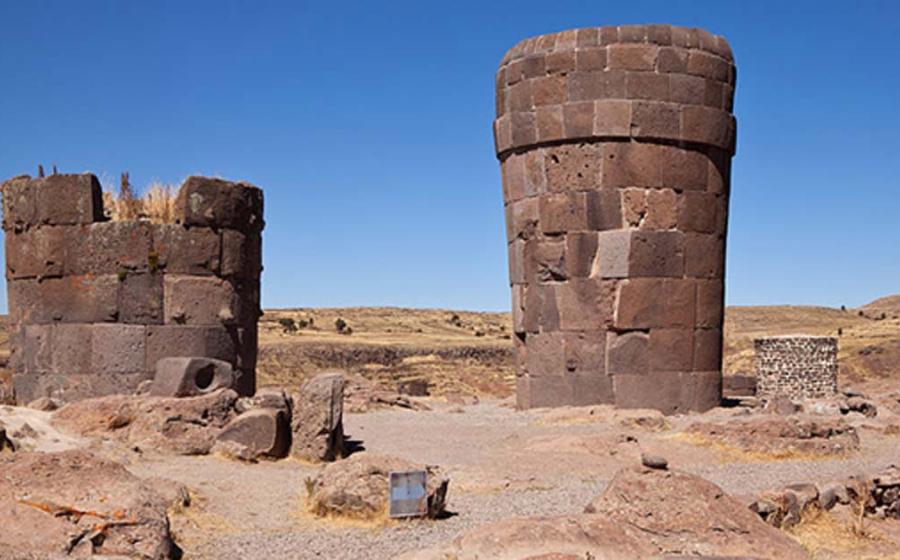
Sillustani is a pre-Incan burial ground on the shores of Lake Umayo, about an hour’s drive from Puno in Peru, which is a large city on the shore of Lake Titicaca. The tombs, which are built above ground in tower-like structures called chullpa, are the vestiges of the Colla people, Aymara speaking people who were conquered by the Inca in the 15th century. The structures housed the remains of complete family groups, although they were probably limited to nobility. Many of the tombs have been dynamited by grave robbers, while others were left unfinished. The above is the conventional rhetoric espoused by academics, and is the information which most guides to the Sillustani site give visitors. What they generally believe