brien

Profile picture for user brien
Brien Foerster

Brien Foerster was born in Rochester, Minnesota, U.S.A. but grew up on the west coast of Canada. At age 11, he became fascinated with the Native art of the Haida native people, and began carving totem poles, and other related art forms, learning from Native teachers. After completing an Honours Bachelor Of Science degree, Brien decided to take up carving and sculpture full time, at the age of 25. This included the creation of 13 full size totem poles, dugout canoes, masks, bowls, boxes and other Native style works. In 1995 he moved to Maui, Hawaii, and was hired as assistant project manager for the building of the 62 foot double hull sailing canoe (ancestor of the modern day catamaran ) Mo’okiha O Pi’ilani ( Sacred Lizard That Pierces The Heavens. ) This project lasted 2 years. There, having learned how to make Hawaiian outrigger canoe paddles from master carver Keola Sequiera, he started an online outrigger paddle business, which flourished internationally.

Peru became his next major area of interest. The study of the Inca culture led to his writing a book, A Brief History Of The Incas, which is available on his website, www.hiddenincatours.com.

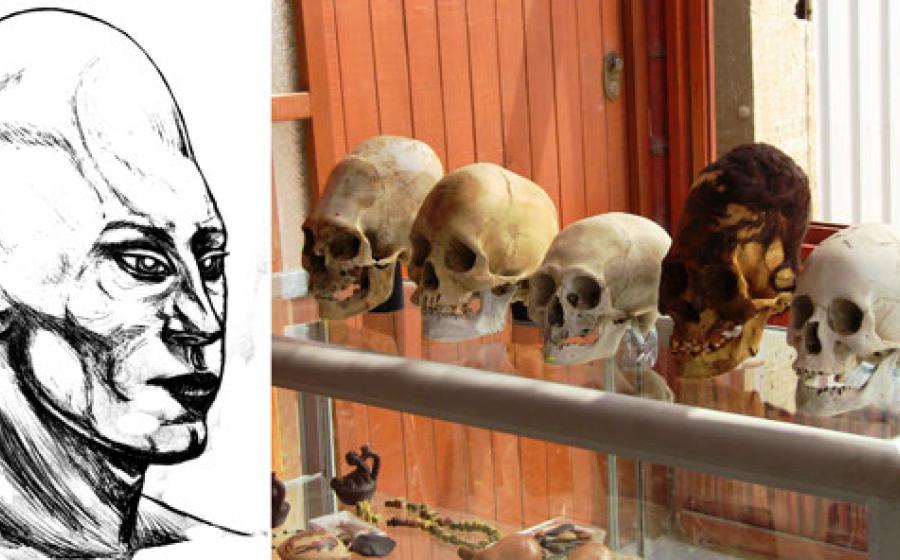
He has become an authority on the megalithic works of South America and the perplexing ancient Elongated Headed people of the area, and divides his time between Paracas and Cusco, Peru.


Website: www.hiddenincatours.com

Facebook: https://web.facebook.com/Shipibospirit

Youtube Channel: https://www.youtube.com/user/brienfoerster

Member for

13 years 6 months

View Recent Blogs

Located in the Province of Florida, Department of Santa Cruz, the archaeological site of Fuerte de Samaipata consists of two clearly identified parts; the hill with its many carvings, believed to have been the Ceremonial Center, and an area to the south of the hill, which formed the administrative and residential district and the political administration.

An overview map of Samaipata in Bolivia.

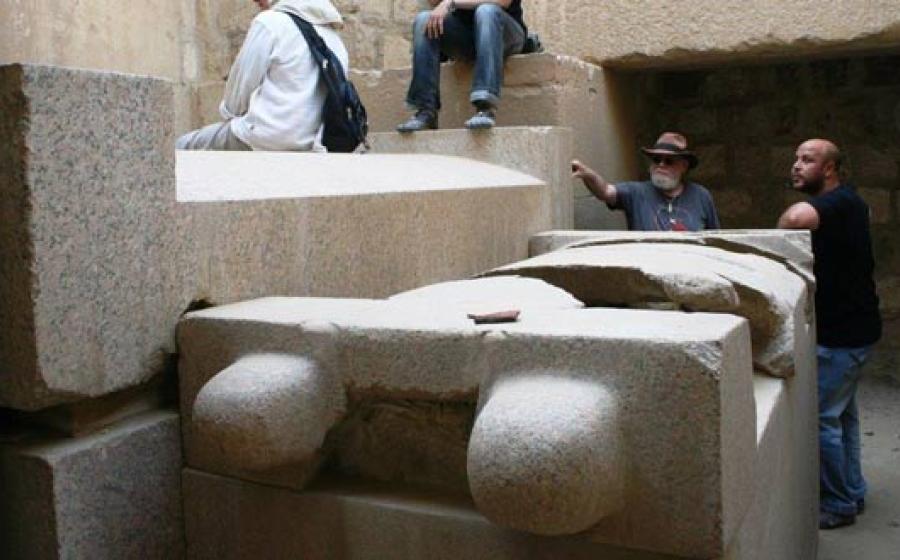
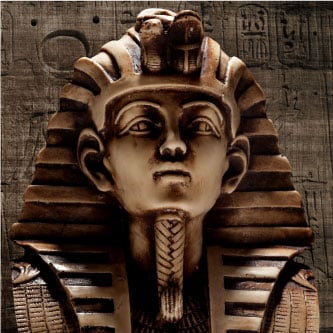
Egypt is currently in the news, and not for the most pleasant of reasons. Political disturbances are being felt in isolated pockets of the country, yet are clearly overblown by western media, and some foreign governments. But this land, and especially the fertile areas that border the Nile River has been a vital part of human history for thousands of years. From the rise of Islam in the 7 th century AD, and back through the Coptic Christians, Jews, Romans, Greeks, Persians and finally the so called dynastic Egyptians, each successive dominant culture has left their mark. The clearest evidence of this is in the stone constructions they left behind. And it is through the study of these works that
Four hours drive south of Lima Peru one finds the Paracas Peninsula, part of which is an ecological reserve, where one can see wildlife such as sea lions, and a myriad of various sea bird species. The area is amazingly rich in seafood, and abundant fresh water exists just below the surface of the desert sands, suitable for irrigation free agriculture. Therefore, it would seem to be a very liveable place for humans. Stone tools, of various forms and styles of shaping have been found in the area, and cursory analysis has established dates of as old as 8000 years. The greatest of Peruvian archaeologists, Julio Tello, made studies in this area in 1928 and performed excavations on the north