Bipin Dimri

Profile picture for user Bipin Dimri
Bipin
Dimri

Bipin Dimri is a writer from India with an educational background in Management Studies. He has written for 8 years in a variety of fields including history, health and politics.

Member for

5 years 6 months

View Recent Blogs

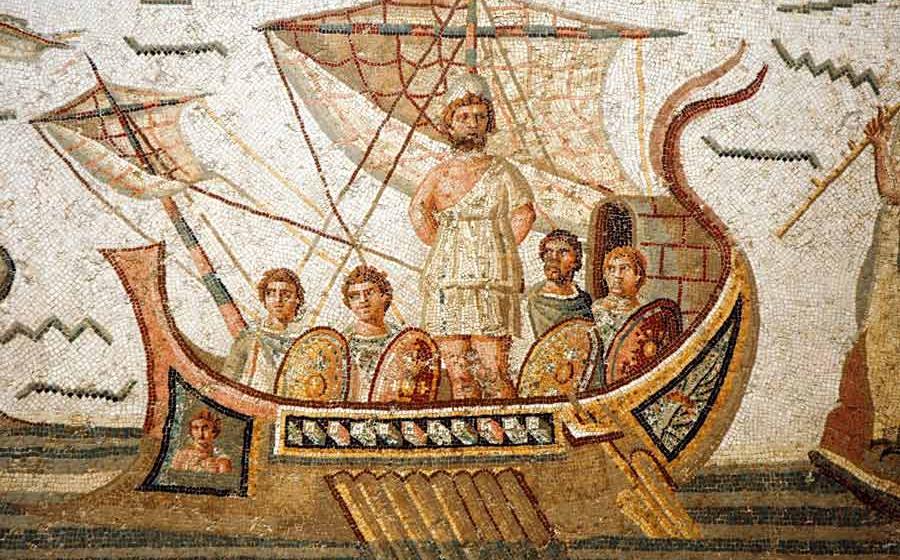
For over two thousand years, scholars, geographers, and adventurers have asked the same question: did Odysseus actually sail to real places? Homer's Odyssey places its hero's main journey across the Peloponnese and the Ionian Islands, but the fantastical stops along the way — from the cave of the Cyclops to the island of the enchantress Circe — have never been pinned to a map with any certainty. The debate between myth and geography is as alive today as it was in antiquity. The Odyssey's main sequence (except for Odysseus' travels) takes place in the Peloponnese and what is now known as the Ionian Islands (Ithaca and its neighbors). What’s more, incidental allusions to Troy and its house, Phoenicia, Egypt, and
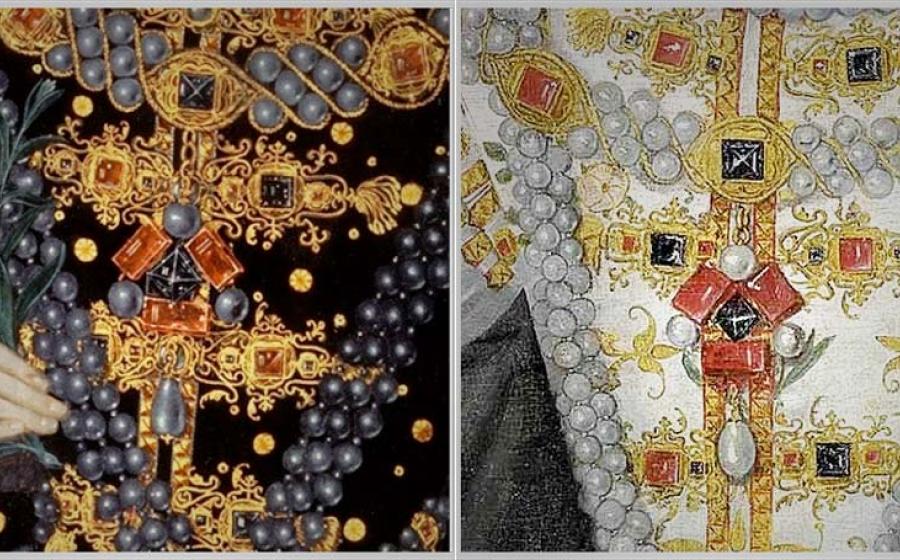
In 1467 AD, the “Three Brothers” jewelry piece was inherited by Charles the Bold from his father Phillip the Good. Charles died in 1477 and was the last Duke of Burgundy. He carried the Three Brothers as a good luck talisman, along with the White Rose jewel. The Three Brothers jewelry was taken from Charles’ tent by a soldier after he was defeated by the Swiss at the Battle of Grandson in 1476. The Three Brothers soon became the most coveted piece of jewelry of the era, and was included in several European crown jewel collections, before disappearing without trace around 1645. The Three Brothers: A Truly Astounding Jewelry Piece The Three Brothers is a pendant in the form of
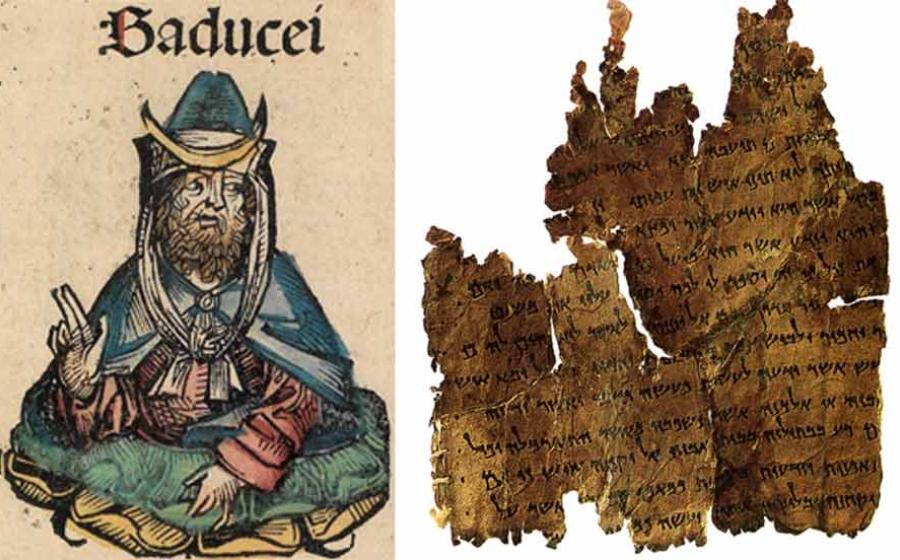
The Teacher of Righteousness is supposedly the person who replicated the God-like figure by his words, beliefs and actions. Who was he? Was he Jesus? The Teacher of Righteousness is a figure discovered in the Dead Sea Scrolls at Qumran. The details about the Teacher of Righteousness were most prominently highlighted in the Damascus document. It is said that the Teacher of Righteousness was the one who anticipated Jesus’s resurrection and Crucifixion. Hence, this is the fact that has attained much notice in the press. The people who have made these claims, are not just competent but are distinguished scholars in their respective fields. The Teacher in the text is said to have had an in-depth understanding of the Torah
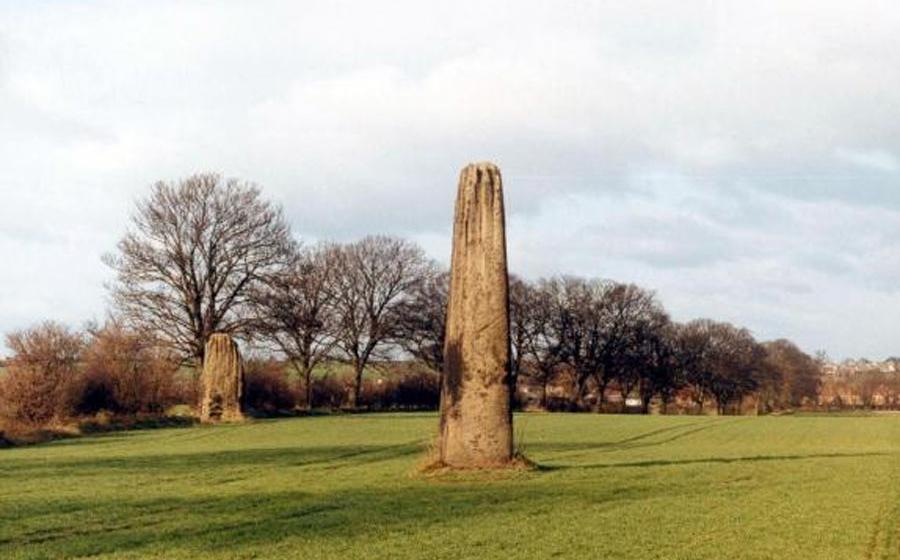
In the heart of Yorkshire in northern England, near the town of Aldborough, lie three huge pillars of stone known as the Devil's Arrows. Originally four, these are the tallest collection of standing stones found in the whole of the United Kingdom. But what remains of the stones is also all that is known about them. What their purpose was, where they came from, and who placed them, remain a mystery, and it is not even certain that there were only four originally. Which is not to say that the site is unknown. In fact, they have attracted a number of visitors too, over the centuries. Some pieces of evidence show that the local people of Aldborough used to have
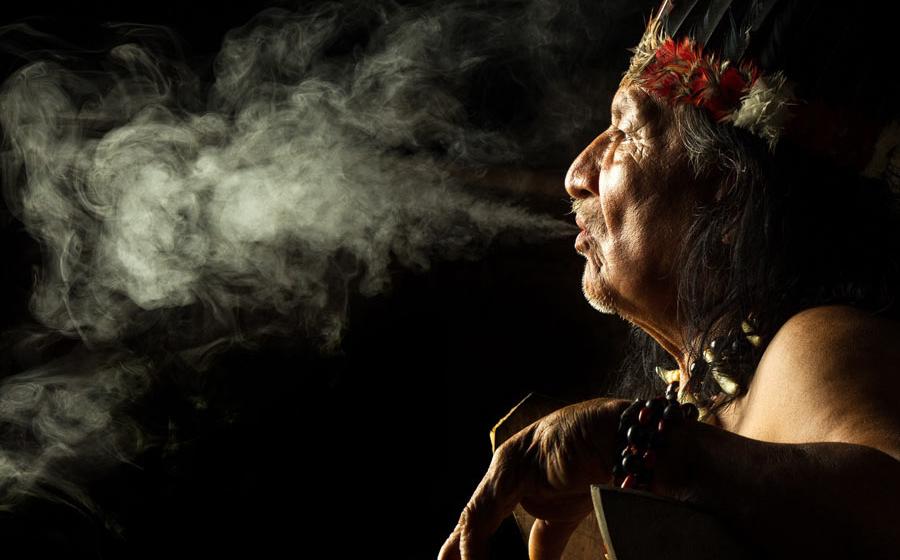
The Yumbo of Ecuador first came to their Sacred Valley of Tulipe in around 800 BC. They were at that time peace-loving farmers. But what they left behind showed that, with their skills as merchants and traders, they were capable of far more. There is very little evidence about the history and origins of Yumbo before they arrived in their sacred valley on the west slope of Ecuadorian Andes, in the heart of the cloud forest. Some scientists believe that they originated from Valdivia’s coastal tribes. But once they had arrived, they created a long-lasting culture that spread across the slopes of the Pichincha volcano. A Long-Lasting Culture The Yumbo did not take long to start trading with neighboring tribes
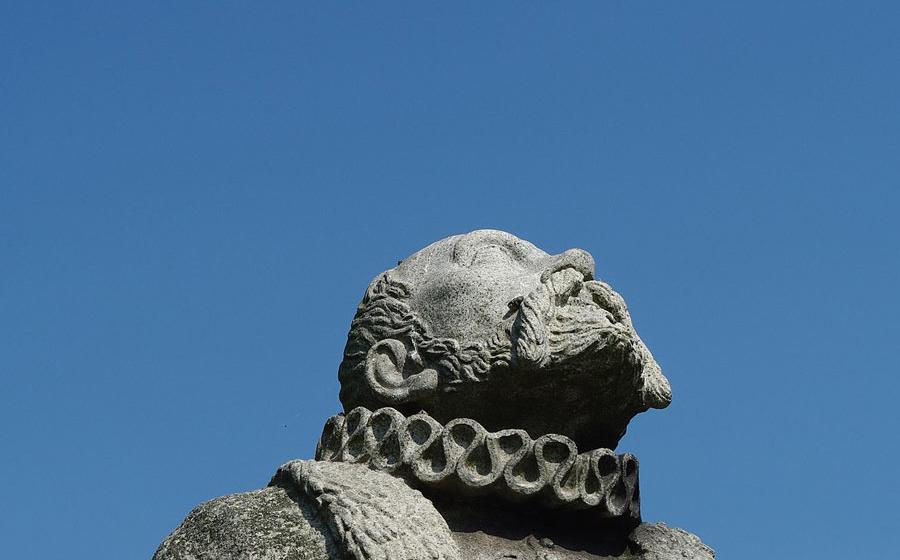
The name Tycho Brahe is not a familiar one to most people. And those who have heard the name, perhaps in the same sentence as Copernicus, or Galileo, may struggle to remember what the man himself was famous for. Perhaps the most strange thing about Tycho is his nose. Lost in a duel aged 20, Tycho wore a silver prosthesis for much of his life. But, strange as this may seem, it is only a footnote in the story of the great man. Born into a noble family in the year 1546 in Denmark, Tycho Brahe devoted much of his life to astronomy. He had been encouraged when, as a little boy, he observed an eclipse, and was profoundly moved

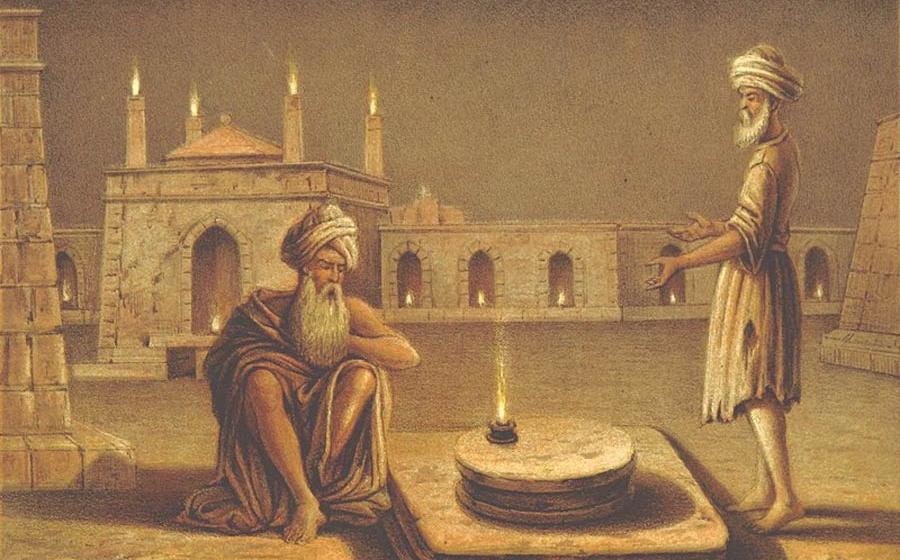
The origins of Zoroastrianism can be traced back to nearly 4,000 years ago. It was the first monotheistic faith in the world and even Persia’s official religion from 600 BC to 650 AD. And it still exists! However, while it was a powerful religion in the distant past, now Zoroastrianism is one of the smallest religions in the world. There are between 100,000 to 200,000 modern followers of Zoroastrianism worldwide. Zoroaster – The Founder of Zoroastrianism Zoroaster (Zarathushtra), a mysterious prophetic figure, founded Zoroastrianism in ancient Iran. While the precise date of the religion’s foundation is not known, it is believed to have been established between 1200-1500 BC, as per the archaeological evidence. Zoroaster was born in Southwest Afghanistan or
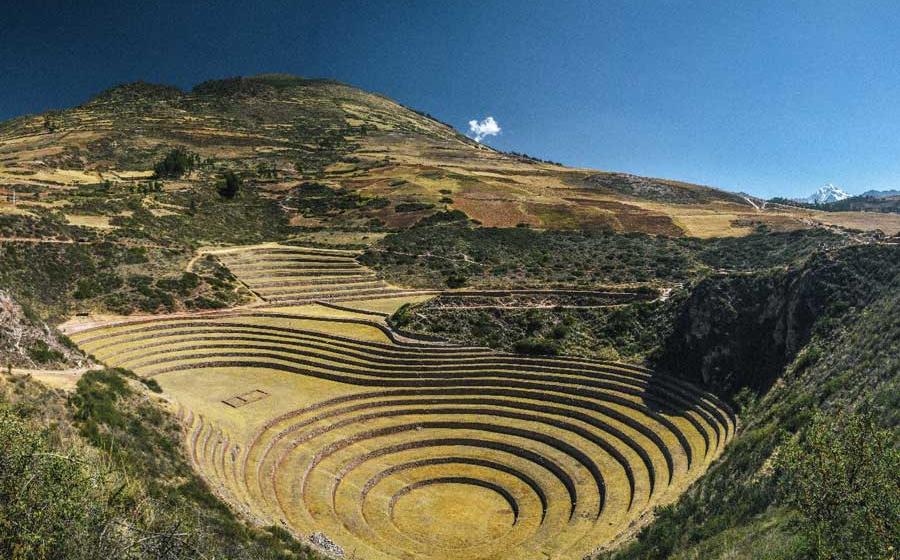
In the South American nation of Peru can be found the ruins of the last Pre-Columbian civilization, the glorious Inca Empire. What was once a thriving, rich civilization is today’s tourist attraction. Nestled in Peruvian mountains and valleys, the Inca culture still stands to retell the history of a thousand years ago. While Peru has many Inca ruins, one place of particular interest are the strange structures at Moray. Situated in the central Sacred Valley region just outside of the Inca capital of Cusco, these ruins are a testament to the Inca lifestyle and livelihood. But what the Inca were building at Moray remains puzzling. It seems to have been some kind of agricultural experiment, one which left some of
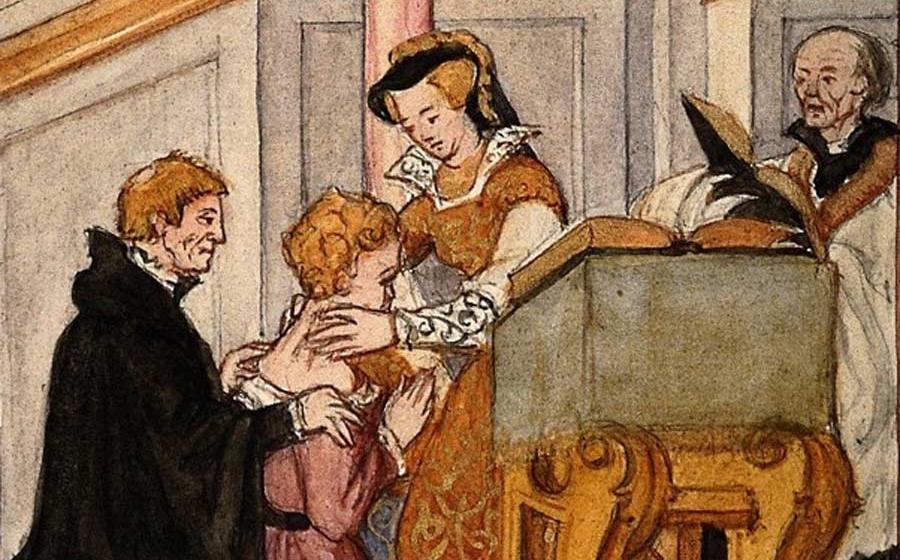
For centuries, a commonality across the various monarchies of the world was a direct association between the ruler and a higher power. Kings and queens were seen either as God’s Chosen One or, in some cultures, they were seen as God themselves. In the Western world, kings were commonly described as having “divine” rights and powers. The divine right was also called God’s mandate in some cultures. This was a combined political and religious doctrine, that was intended political legitimacy to a monarchy. Otherwise, where would one person find the authority to rule an entire population? Unless people believed that the king was special and had God by their side, this was impossible. To receive the divine right, it was
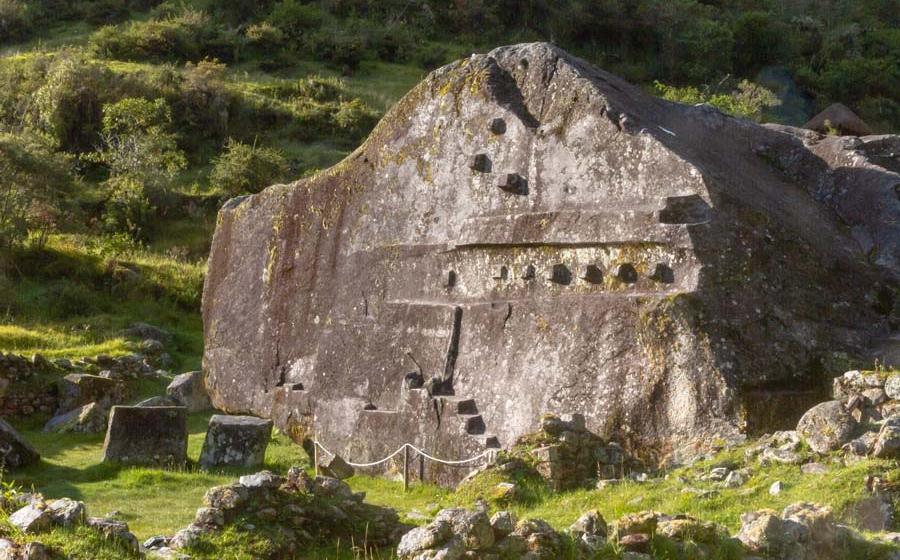
In the Inca heartlands of Peru, hidden away in the mountains and overshadowed by the more famous Inca ruins at Machu Picchu and around Cusco lies a seldom visited and obscure carved rock at Vilcabamba. But this forgotten sculpture was one of the holiest sites in the Inca empire. The site, and the buildings in the nearby settlement of Vitcos, were the ceremonial heart of the Inca empire. It was here that the Inca retreated to, and here that the last of the Inca culture died out. The Discovery of Vilcabamba In 1911, the American politician and archaeologist Hiram Bingham started a scientific study of the ancient Inca site in Peru called Machu Picchu. He was a proficient mountaineer, having