Andrew Collins

Profile picture for user Andrew Collins
Andrew
Collins

Andrew Collins is one of the world’s foremost experts on Göbekli Tepe, having first visited the site in 2004. He has been investigating its Pre-Pottery Neolithic culture for over 20 years, and is the author of various books that feature the subject including From the Ashes of Angels (1996), The Cygnus Mystery (2006) and Göbekli Tepe: Genesis of the Gods (2014).

His website is www.andrewcollins.com

Member for

11 years

View Recent Blogs

Cleopatra, Nefertiti, Hatshepsut are all ancient Egyptian female rulers, immortalized in films, in books, and on television. They celebrate the great achievements of powerful women in history who rose above predominantly patriarchal societies to become leaders of what was arguably the greatest empire of the ancient world. Each bore royal titles signifying their dominion over both Upper and Lower Egypt, a vast kingdom that at times stretched from the Mediterranean Sea in the north to the limits of Palestine-Syria in the east and ancient Nubia, modern-day Sudan, in the south. [[{"type":"media","view_mode":"media_original","fid":"109214","attributes":{"alt":"The Berlin Cleopatra, a Roman sculpture of Cleopatra VII wearing a royal diadem, (mid-first century BC) Altes Museum, Berlin (Public Domain)","class":"media-image","height":"699","style":"width: 528px; height: 699px;","typeof":"foaf:Image","width":"528"}}]] The Berlin Cleopatra, a Roman sculpture
In 2000, during the construction of a highway in Israel, controlled explosives revealed a Paleolithic cave site by a large rocky outcrop just beneath the Arab-Israeli city of Kafr Qasim. What makes this site so remarkable is that the people of the Qesem community were arguably the first to recycle stone and bone objects, taking discarded or unusable items and refashioning them into new tools with specific functions. [[{"type":"media","view_mode":"media_large","fid":"96624","attributes":{"alt":"The Qesem Cave in Israel. ( CC BY-SA 3.0 )","class":"media-image","height":"459","style":"width: 610px; height: 459px;","typeof":"foaf:Image","width":"610"}}]] The Qesem Cave in Israel. ( CC BY-SA 3.0) Celebrated author Andrew Collins describes his experience: My scheduled meeting with Ran Barkai and Avi Gopher, two of Israel’s most well-known archaeologists, was to take place in a modest room
A genetic study hints strongly that the Denisovans, who roamed the earth down to the end of the last ice age, possessed autistic skills, which were then passed on to their modern-human descendants. If correct, then this might at last provide an explanation for the Denisovan’s advanced human behavior and technological innovations. More than this, it could now help explain the recurrence across many thousands of years of cyclic numbers such as 72, 108, 216, and 432 in ancient king-lists, long-term calendrical systems, and the geometry and design of sacred architecture in southeastern Asia. The story begins with the sequencing of the Denisovan genome in 2010, achieved using a fragment of finger bone unearthed in Siberia’s Denisova Cave and found
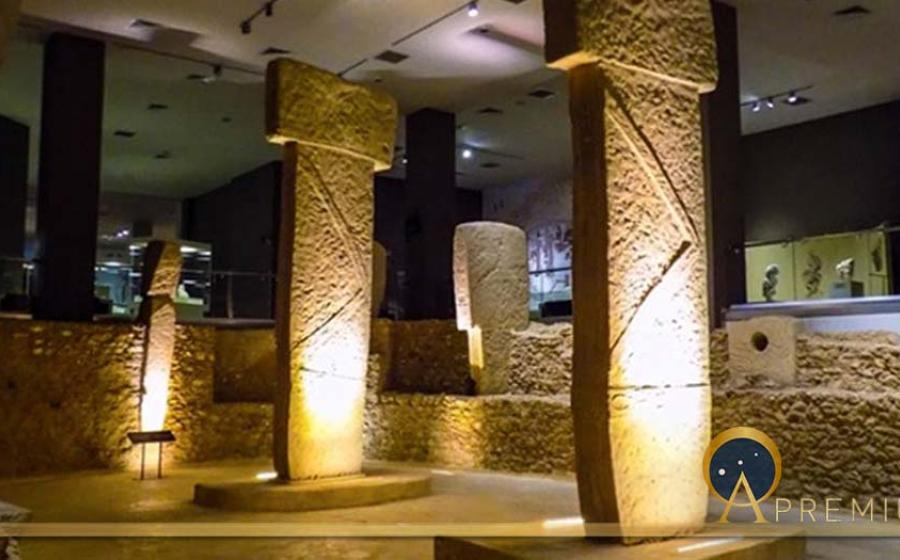
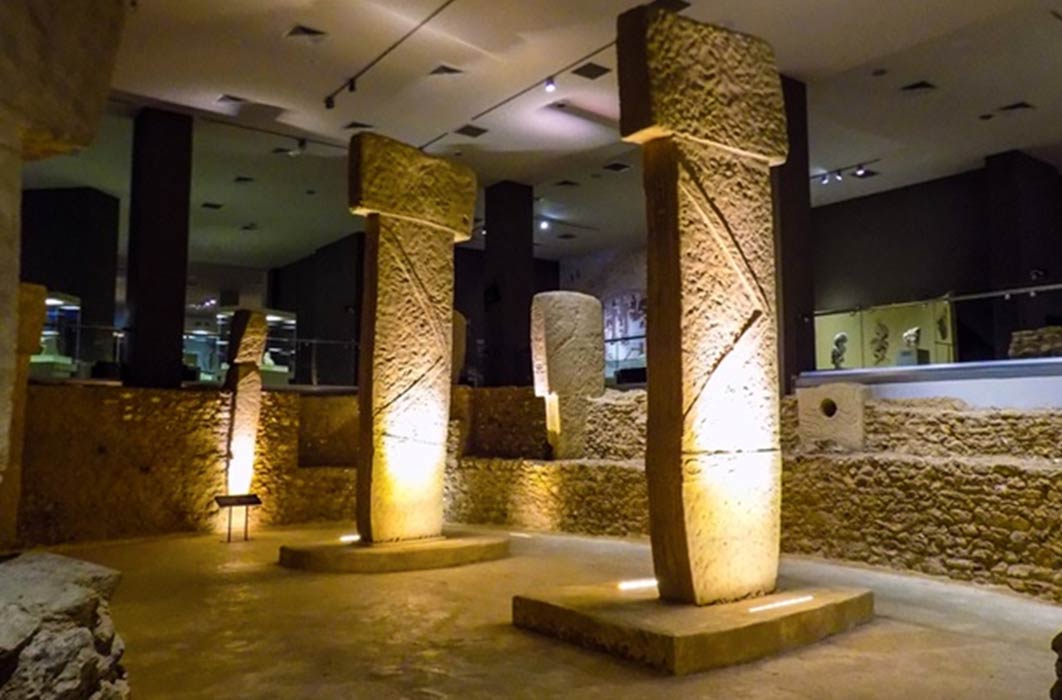
One day in October 1994 Professor Klaus Schmidt, an archaeologist working with the German Archaeological Institute and the University of Heidelberg, made the trek out to a bleak limestone plateau, situated close to the southernmost limits of the Anti-Taurus Mountains, just eight miles (13 kilometers) northeast of the Turkish city of Şanlıurfa. It was a decision that would change his life forever and alter the very way we perceive the rise of civilization in the ancient world. Schmidt’s intention was to inspect a large artificial mound composed of earth and rock debris, which sits on a mountain ridge that rises to a height of just under half a mile (780 meters) above sea level. Stretching away toward the south lay
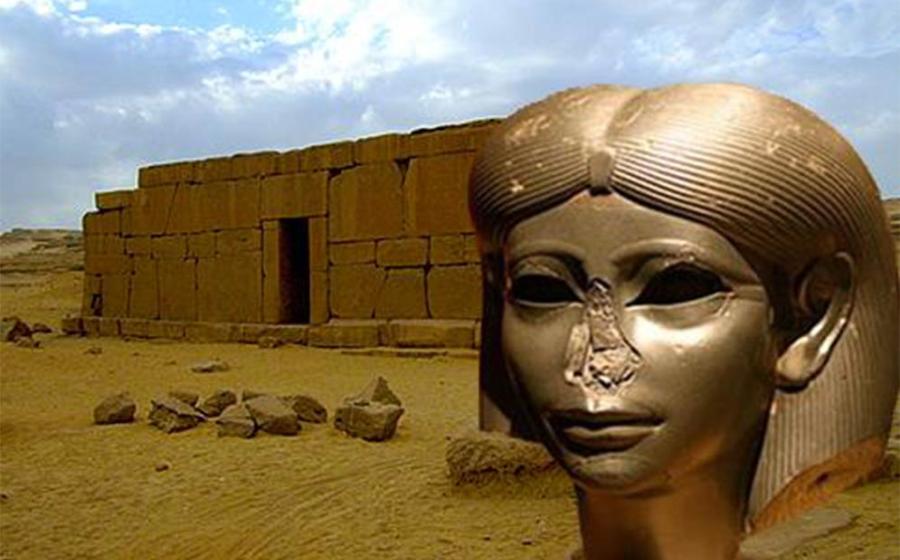
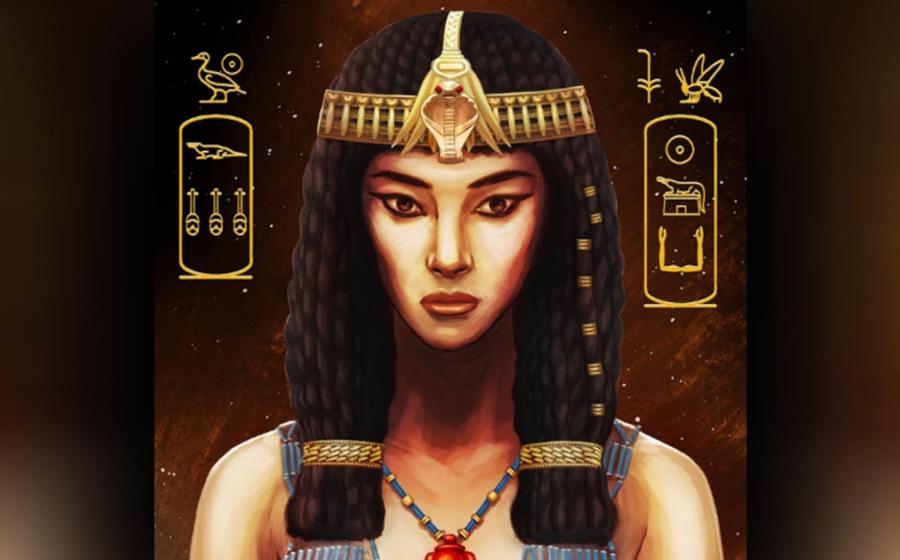
In part one, we saw how Egypt’s first female pharaoh Sobekneferu (also written Neferusobek) has emerged as a major character both in literary fiction and in the cinema. Her mysterious life and devotion to primeval gods such as the crocodile god Sobek no doubt helped foster this romantic image. Despite this, Sobekneferu’s achievements in life remain an enigma. We know she might have shared the throne with her father, the powerful pharaoh Amenemhat III, and that following his death she probably entered into an incestuous relationship with her brother Amenemhat IV. Her own brief reign of just four years ended Egypt’s Twelfth Dynasty, although what became of her is unclear. Whether Egypt’s first female pharaoh died of natural causes or
In 2017 cinema audiences were treated to the latest reboot of the classic movie franchise surrounding the resurrection of an ancient Egypt mummy. Titled, inevitably, The Mummy, and starring Tom Cruise, it was an action-packed thriller featuring an Egyptian princess named Ahmanet. She, however, was just the latest incarnation of a fictional character that appears for the first time in a novel written by celebrated Irish writer Bram Stoker (1847-1912). Entitled The Jewel of the Seven Stars, it tells the story of how an ancient Egyptian queen and sorceress named Tera is able to live again in the modern world. When first published in 1903, the book’s ending was deemed so shocking that the publisher asked for it to be