Alistair

Profile picture for user Alistair
Alistair
Coombs

Alistair is a Doctor of Philosophy with interests in Neolithic transitions, religious movements, esotericism, archaeoastronomy and environmental impacts on human behaviour. 

Visit Alistair's homepage: http://alistaircoombs.com/

Member for

13 years 1 month

View Recent Blogs

Karahan Tepe, located close to its better known relative Göbekli Tepe in southeast Turkey, was first acknowledged in 1997 but remained unexcavated until 2019. Both sites, including several others, are today identified as Taş Tepeler (meaning “stone hills”) archaeological sites. These Taş Tepeler sites typically border the Harran Plain on semi-mountainous escarpments and reflect early Neolithic phases of building. Understanding Karahan Tepe in the Context of Taş Tepeler Unlike the majority of known Taş Tepelers, Karahan Tepe has yielded a large building which compares in size to the larger monumental enclosures of Göbekli Tepe. This circular space, named Str. AD, is understood to reflect late Pre-Pottery Neolithic PPN A to early PPN B construction, c.9000 to 8800 BC. Decoding Göbekli
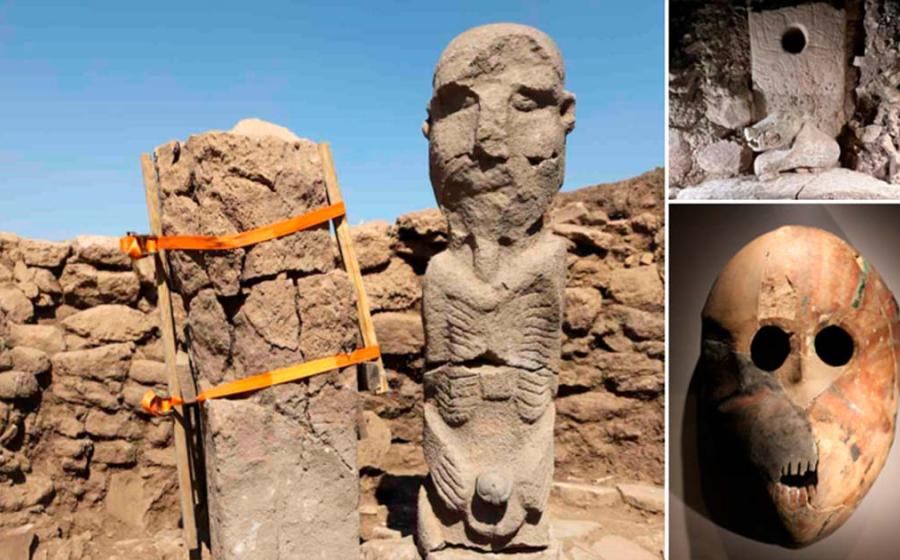
Urfa man, known formally as the Balikligöl statue, is the oldest human-size statue of a man discovered in the world to date. He is currently housed in Şanliurfa’s Archeology Museum, Southeast Turkey. Urfa man was discovered in the Old Town section of Şanliurfa, but in antiquity belongs to the same thought world of Göbekli Tepe, a site half an hour away from the museum by car. Urfa Man and Göbekli Tepe’s Humanoid Pillars The late Professor Klaus Schmidt, former head of excavations at Göbekli Tepe, an unexpected archaeological precursor between Neolithic mindsets and the birth of Sumerian and Egyptian civilizations, discerned Urfa man as inferior to Göbekli Tepe’s humanoid T-shapes, but minister to them. That Urfa man and the T-shapes

Nan Madol is a mysterious place, there is nothing like it the world over. Its people are vanished and its purpose spectacularly obscure. Was it built by the mythical brothers Olishipa and Olosohpa, in honor of the god of thunder Daukatau, or to commemorate the sunken cities off the coast?

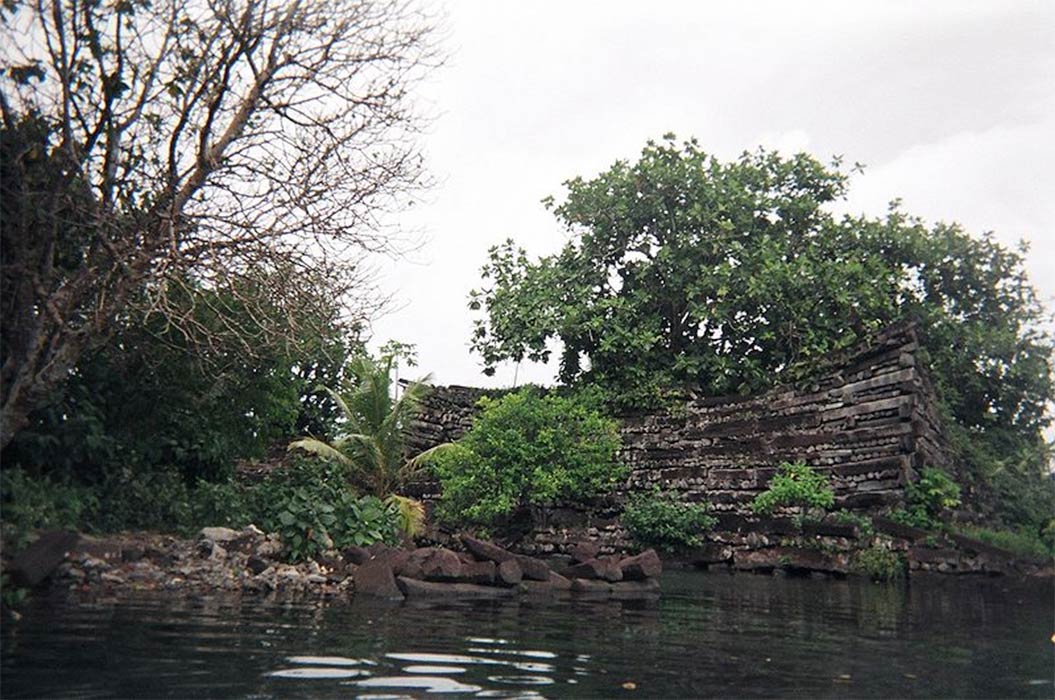
Nan Madol is a mysterious place, there is nothing like it the world over. Its people are vanished and its purpose spectacularly obscure. Was it built by the mythical brothers Olishipa and Olosohpa, in honor of the god of thunder Daukatau, or to commemorate the sunken cities off the coast? Known traditionally as Soun Nan-leng (‘Reef of Heaven’), Nan Madol is a megalithic complex made up of over 90 man-made islets built on coral fill and spread 200 acres over a lagoon edging Pohnpei’s surrounding barrier reef. Pohnpei (formerly Ponape) is the third-largest member of the Federated States of Micronesia, a spray of over 600 islands so-named after their minuscule size. Pohnpei is a compound meaning ‘upon an altar’, in

Scorpions have inhabited the Earth for over 400 million years. They were one of the first seabed evolved creatures to climb out of oceans onto land. Although older than the dinosaurs and despite many species, there has been small change to their basic form over this vast time. 

Scorpions have inhabited the Earth for over 400 million years. They were one of the first seabed evolved creatures to climb out of oceans onto land. Although older than the dinosaurs and despite many species, there has been small change to their basic form over this vast time. Their mysterious appearance is deeply entangled in human culture and known for symbolizing danger, eroticism, the hidden and clandestine. A Roman war-machine, a yoga posture, and a star constellation take their name from this predatory arachnid. Like snakes and insects, the meaning of scorpions remains fairly constant across cultural boundaries and this has been the case with its constellated counterpart as well. [[{"type":"media","view_mode":"media_original","fid":"61998","attributes":{"alt":"Scorpius as depicted in Urania's Mirror, a set of constellation
Totem poles are often seen as quintessential features of the Northwest Coast of America. Simon Fraser University lists ten types of American totem pole, which indicate their diversity and how the term “totem” can be misleading when applied to them. Over in Eurasia, there is a similar idea – spirit poles. Common Totem Pole Types Three common types of totem poles are: Memorial Poles, Welcome/Potlatch Figures, and House Posts. A Memorial Pole is one that is raised after the death of a chief or high-ranking person. The motives and symbols carved on it memorialize significant events in the life of the person. [[{"type":"media","view_mode":"media_original","fid":"56442","attributes":{"alt":"Totem Pole in Algonquin Provincial Park, Ontario, Canada. (Public Domain)","class":"media-image","height":"700","style":"width: 498px; height: 700px;","typeof":"foaf:Image","width":"498"}}]] Totem Pole in Algonquin Provincial
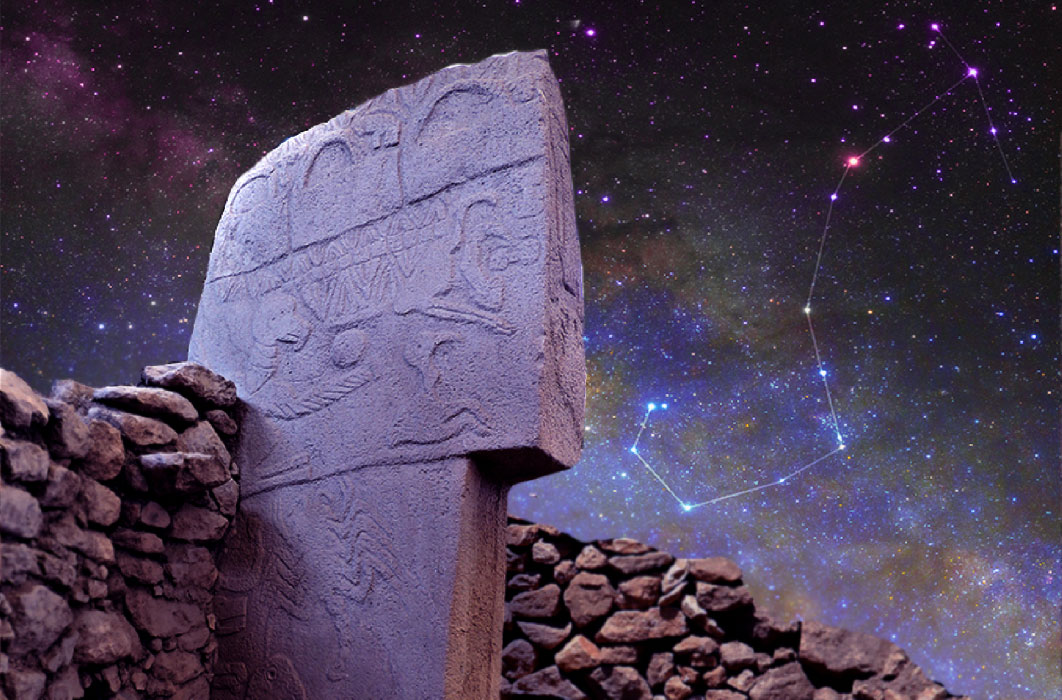
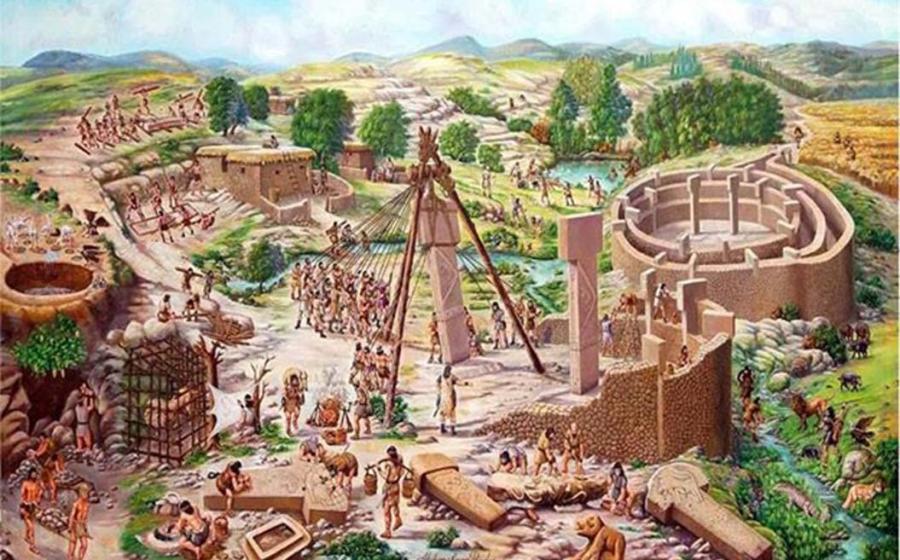
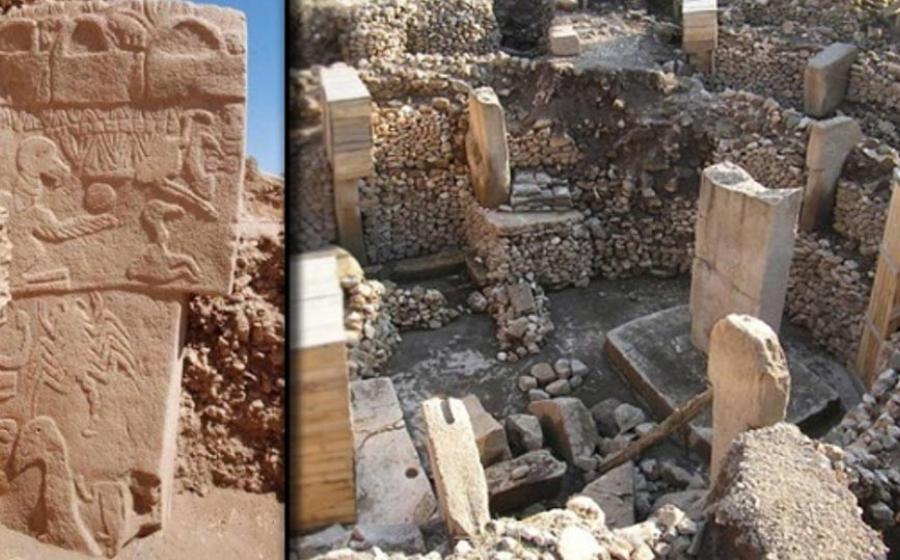
Research by authors Martin B. Sweatman and Dimitrios Tsikritsis, titled 'Decoding Göbekli Tepe with archaeoastronomy: What does the fox say?' published in Mediterranean Archaeology and Archaeometry, vol 17, no. 1. 2017 proposed that a key purpose of the Göbekli Tepe site was to monitor comets and their meteor showers, principally of the Taurid system. They maintain the site was an observatory and that reliefs and symbols on its pillars record events connected with this meteor stream. Pillar 43 of Enclosure D, the puzzling “Tauroctony” of Göbekli Tepe, received focus as a datestamp recording the cometary encounter that has been proposed for causing the Younger Dryas episode. [[{"type":"media","view_mode":"media_large","fid":"39992","attributes":{"alt":"Reproduction of Golbeke Tepe enclosure D. Credit: Alistair Coombs","class":"media-image","height":"406","style":"width: 610px; height: 406px;","typeof":"foaf:Image","width":"610"}}]] Reproduction of
A report in the Hürriet Daily News published in July of this year announced that the world’s earliest pictogram had been discovered at the archaeological site of Göbekli Tepe, Southeast Turkey. It was not specified what example was being referred to, but it is clear that Müslüm Ercan, Director of the Șanliurfa Museum, was referring to a relief depicted on the west-facing side of Pillar 43, Enclosure D. Pillar 43 is known more widely as the ‘vulture stone’. Not long after, the Daily Mail picked up the story and had me say that I thought the disk, ball or egg, seen above the vulture’s extended left wing depicted the sun. While this is not untrue, the following remarks clarify why
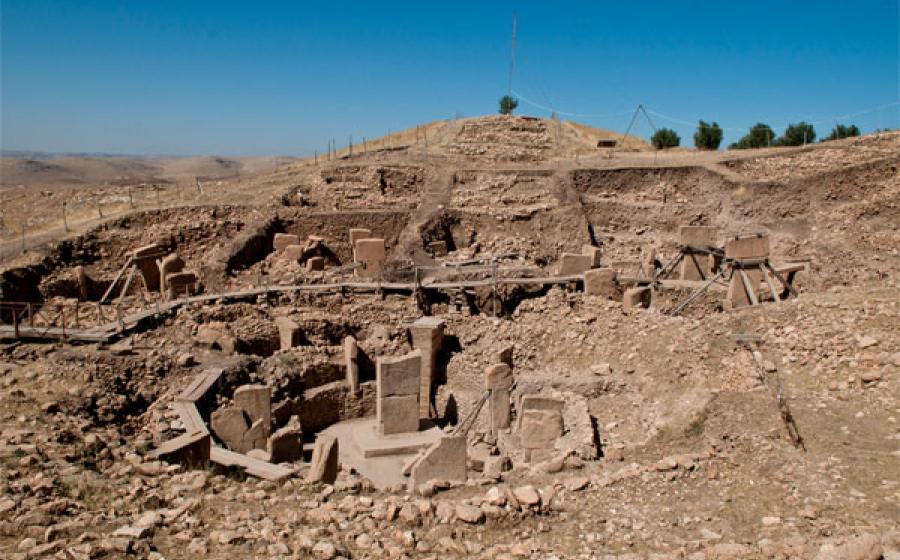
The megalithic circles of Göbekli Tepe mark a transitioning from the last Ice Age to the beginning of the Neolithic Revolution. The circles are not coterminous in age but were built progressively over a near two millennia period and likely served different functions. The circles or enclosures excavated to date are arranged in calendar-like structures made up of nearly 12 pillars, with two larger T-shape pillars dominating the centre of each. Arranged on a North-South axis from their vista commanding hill and built on a slow gradient, their design and locality suggest their builders had an interest in the sky. Based on the drifting southwest trajectories of Enclosures D, C, B, and A, the geologist Robert Schoch proposed the builders