Adam Stokes

Profile picture for user Adam Stokes
Adam
Stokes

Adam Oliver Stokes holds degrees in religion from Duke University and Yale Divinity School. He has written on numerous subjects including biblical studies, classical studies, LDS theology and ancient American civilization particularly the phenomenon of American ceremonial mounds and giants. His book, Perspectives on the Old Testament, was published by Cognella Press in 2018. In addition to this, his work has been featured in the Journal of the Hebrew Scriptures, the Journal of the Book of Mormon, BYU Quarterly, the Classical Outlook and Ancient American magazine. He recently appeared on a podcast, Earth Ancients, where he discussed the history of giants in North America. He currently teaches Old Testament at Saint Joseph's University in Philadelphia and high school Latin at Allentown High School in New Jersey.  
Member for

6 years 6 months

View Recent Blogs

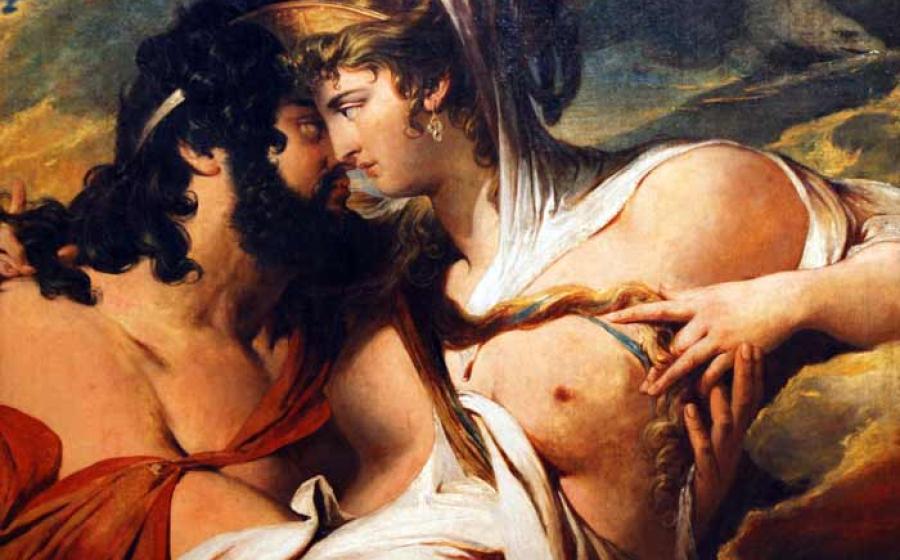
Hera, also known by her Latin title as Juno, is best known in Western culture as the wife of Zeus, king of the gods. While technically subordinate to him, Hera is never a submissive figure, in fact in the opening of Virgil’s Aeneid, he calls her Iunonis iram meaning wrathful Juno. In the stories and legends surrounding her, she exerts considerable power and influence often - as is the case with many mortal marriages - in defiance of her husband’s wishes. As anyone knowledgeable about Greek mythology can attest to, she exhibits a powerful presence permeating both the heavenly and earthly realms. One feature about Hera that is less known amongst students of Greco-Roman lore is the extensive history of
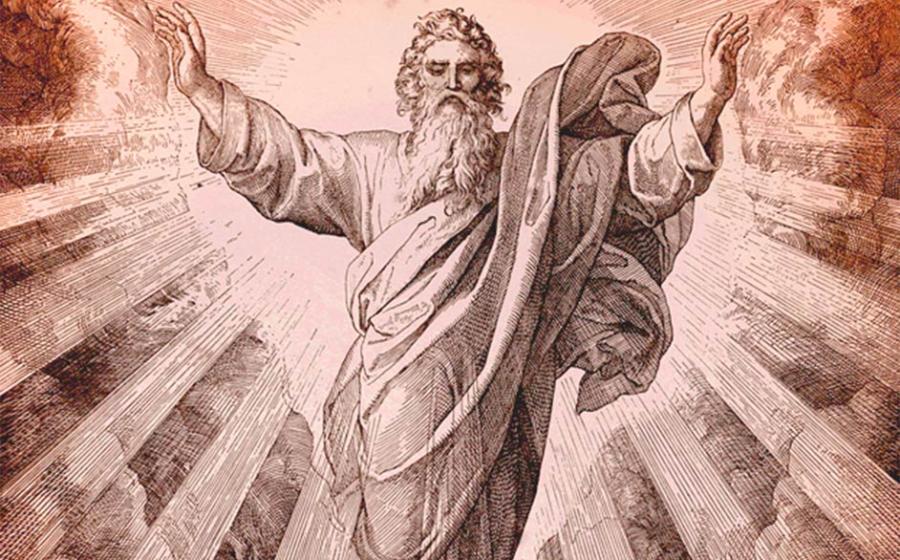
For anyone familiar with the Bible, the story of the Israelite god Yahweh is a simple one. Yahweh appears to Abraham in the book of Genesis and enters into a covenantal alliance with him. Abraham's deity, however, is quite distinct from the other gods of Canaan. He is an invisible god not to be associated with any visual form or image. This aspect of Yahweh is highlighted later in the biblical narrative when the deity presents Moses and the children of Israel with his law or torah. The second commandment of this law code states: lo' ta'aseh-leka pesel wekol-temunah "You shall not make for yourself a graven idol or any image" (Exodus 20:4). [[{"type":"media","view_mode":"media_large","fid":"77931","attributes":{"alt":"The Torah, the Jewish Holy Book. (Lawrie
Giants were here. In using the term giants, I am referring to persons at least 7 feet (2.1m) and up to 13 feet (4m) in height. Given that pre-modern man was significantly shorter on the average than we are today (many athletes in modern times are 6’5” or taller (2 meters)) these giants would have certainly seemed of extraordinary stature. That an ancient race or races of giants once existed throughout the world, from China to North America, is a matter attested to not only in the written records of various civilizations but in the archaeological record as well. As Jason Jarrell and Sarah Farmer note, the vast number of gigantic humanoid skeletal remains excavated in the North American region