
November
04
/ 2026
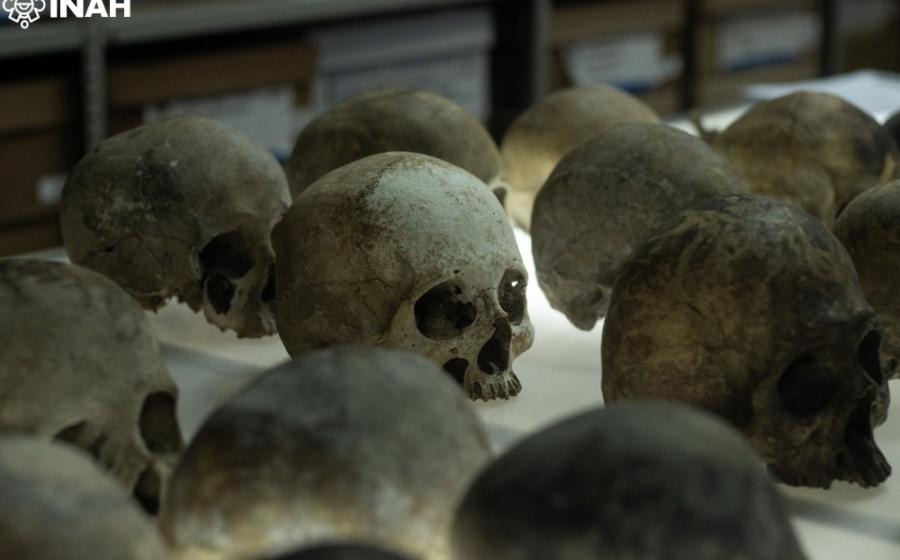
In 2012, people entering a cave at Frontera Comalapa, in the Mexican state of Chiapas, found themselves facing hundreds of human skulls. Mexico's National Institute of Anthropology and History (INAH) admits in its latest bulletin that the sight may have chilled the blood of those who found it. Fourteen years on, the bones have been counted, sexed and studied, and the result turns a common picture of skull racks on its head. On October 28, 2026, INAH reported that of 165 skulls from the cave, 83 have been identified as female and 79 as male. That is close to an even split, but it sits badly with the popular image of a tzompantli as a row of trophies taken from