
June
10
/ 2026
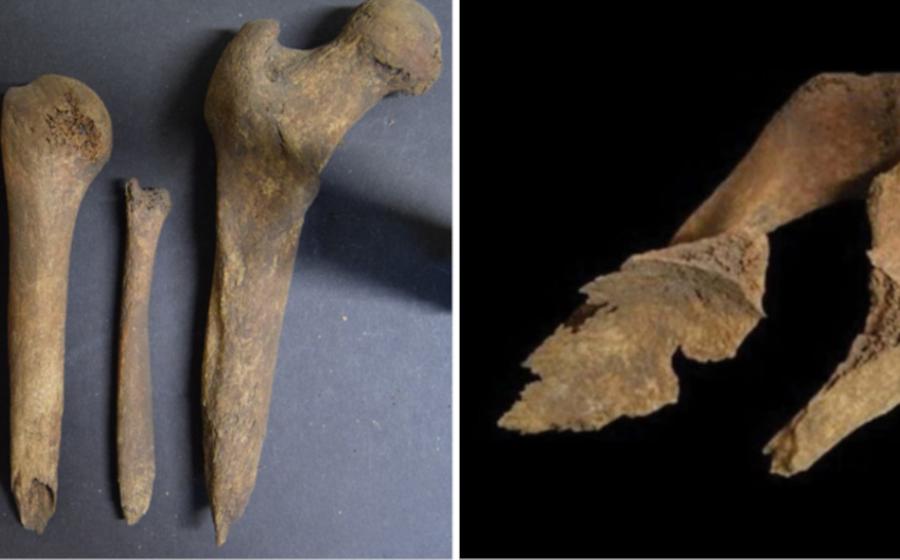
A 2,000-year-old skeleton unearthed at a Scottish burial site shows striking evidence of intentional brain removal after death, shedding remarkable new light on the complex funeral rituals of Iron Age Britons. The discovery, described as a complete surprise by the researchers involved, points to mortuary customs that were previously unknown in the archaeological record of prehistoric Britain. Identifying funerary practices in Iron Age Britain — the period running from around 800 BC to the Roman invasion in 43 AD — has long been a challenge, as human remains from this era rarely survive. However, the unique environmental conditions of north-west Scotland support the preservation of bone, offering a rare window into the past. Researchers from the University of York, working