
September
08
/ 2026
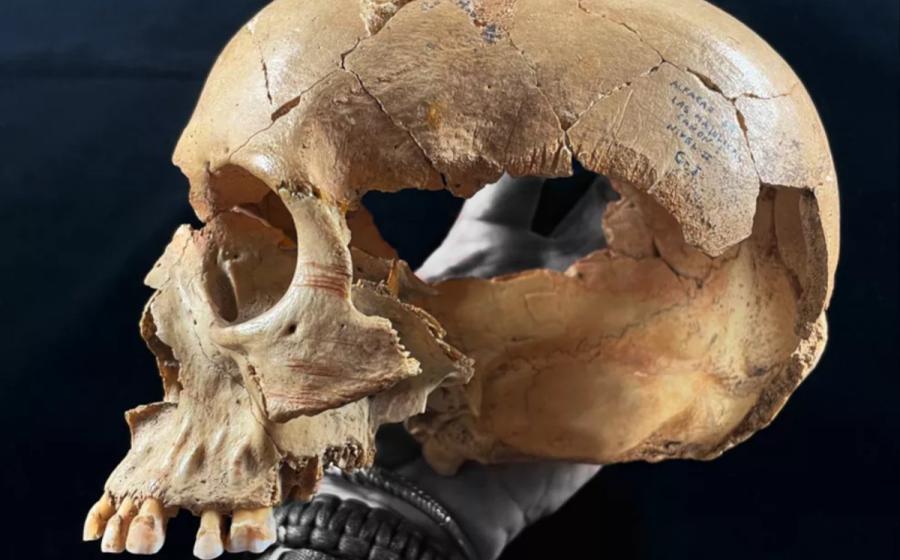
Roughly 1000 human bones from three caves in Granada have given some remarkably rich evidence of Neolithic cannibalism—but not of an unvarying single practice. Whereas a particular site shows signs of violent large-scale murder, another reflects systematic processing of bodies, and a third site suggests some ritualistic behavior involving red pigment. Altogether, the findings illustrate how multiple motivations can produce the same outcome on the dead. One Label, Three Very Different Stories The original study in the Journal of Archaeological Science re-evaluated existing collections from Malalmuerzo, Carigüela and Majolicas caves through radiocarbon dating and standardized taphonomic analysis. The researchers scrutinized bones under a microscope looking for cut marks, blows, fresh fractures and human bite marks, while also checking for signs